




Investigating the nuances of hair loss during chemotherapy uncovers a multifaceted recipe of difficulties and factors to ponder. The effect on hair can prove deeply unsettling for individuals embarking on this medical regimen. This introduction aims to illuminate the intricate ties linking chemotherapy to falling locks by disentangling the elements contributing to the hair loss experience. Furthermore, comprehending the variables in this disquieting equation proves integral for patients traversing the frequently disorienting experience of chemotherapy-sparked alopecia.
Numerous external and internal components converge to trigger this reaction. One clear example is the potent drugs employed to combat cancer cells simultaneously assault the scalp. Hair follicles actively growing during treatment often become the collateral unintended victims, ceasing the production of new growth. Complicating matters, several chemotherapy drugs have particularly notorious reputations for aggravating shedding. Similarly, the location of follicles during their growth cycles at the launch of therapy influences the severity of subsequent hair striping. Beyond acknowledging these medical underpinnings, though, coping with the loss of such an integral identity marker poses profound psychosocial challenges – doubly so amidst already fraught cancer treatment.
What Is Chemotherapy?
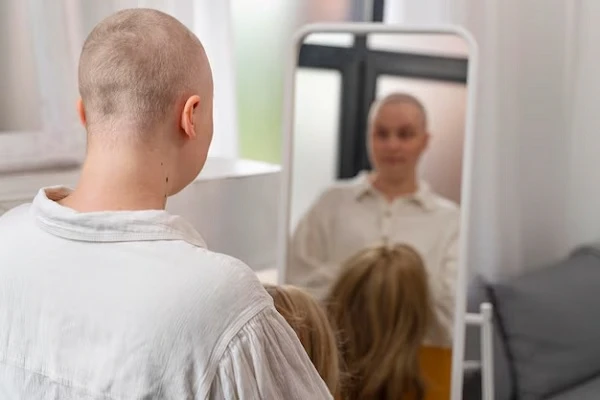
Chemotherapy, a widely used medical treatment, administers powerful drugs to combat rapidly dividing cells, including cancer cells. These drugs are designed to circulate throughout the body, making them an effective systemic therapy for cancer treatment. Chemotherapy targets and kills rapidly dividing cancer cells, which is characteristic of cancerous tumours. By doing so, it aims to halt or slow down the growth of cancer cells, shrink tumours, and inhibit the spread of cancer to other parts of the body.
In this way, chemotherapy plays a crucial role in managing and treating various types of cancer. Although an essential and effective treatment modality, chemotherapy can also affect normal, healthy cells in the process, leading to a range of potential side effects. These side effects can vary widely, including nausea, hair loss, fatigue, and a compromised immune system.
The impact of chemotherapy on healthy cells is often the cause of these adverse effects. However, it’s important to note that physicians carefully select the specific drugs used in chemotherapy. They consider the dosage and treatment duration based on the type of cancer, its stage, and the patient’s overall health. This personalized approach ensures that the chemotherapy regimen maximizes its effectiveness while minimizing its impact on healthy cells.
What Is The Effect Of Chemotherapy On Hair?
As we said, chemotherapy is a treatment that divides rapidly dividing cells, which often leads to alopecia. The severity of this side effect depends on the specific chemotherapy drugs and their dosage. Hair loss can affect the scalp, eyebrows, eyelashes, and body hair.
It’s important to remember that hair loss due to chemotherapy is not necessarily permanent. It varies from thinning to complete baldness, and the timing differs among individuals. Some experience hair loss during treatment, while others notice it a few weeks after starting chemotherapy. However, in most cases, hair typically regrows after treatment, albeit with a different texture and colour. This potential for regrowth is a source of optimism and positivity for those undergoing chemotherapy.
It’s worth noting that not all chemotherapy drugs cause hair loss, and its severity varies from person to person. Medical research and technology have introduced scalp cooling systems that constrict blood vessels in the scalp, reducing the exposure of hair follicles to chemotherapy drugs. However, the effectiveness of these systems varies, and they may only be suitable for some chemotherapy types.
Advancements in managing chemotherapy-induced hair loss continue to evolve, offering patients options and hope for minimizing its impact. Understanding the potential side effects of chemotherapy, including hair loss, can help individuals prepare for and cope with the changes to their appearance during treatment. Healthcare professionals play a crucial and reassuring role in providing guidance and support, assisting patients to make informed decisions about scalp cooling systems or other available interventions.
Recipe For Hair Loss During Chemotherapy
Experiencing hair loss during chemotherapy involves a multifaceted interplay of factors. There is not a unique “recipe” for this challenging side effect. Several key ingredients contribute to this phenomenon:
- Chemotherapy Drugs: The drugs used in chemotherapy are chosen for their ability to target and destroy rapidly dividing cells, which includes cancer cells. Unfortunately, these drugs may also affect other rapidly dividing cells in the body, such as those in the hair follicles, leading to the common side effect of hair loss.
- Treatment Duration and Frequency: The duration and frequency of chemotherapy sessions influence the severity and timing of hair loss. Longer or more frequent treatments may increase the likelihood and extent of hair loss. It’s important to discuss potential side effects, including hair loss, with your healthcare provider before starting chemotherapy. They can provide valuable information and support to help you prepare for and manage the impact of treatment on your hair and overall well-being.
- Individual Sensitivity: Each person’s body reacts differently to chemotherapy, and it’s essential to recognize that the response to treatment can vary significantly from one individual to another. Factors such as overall health, age, genetic makeup, and the specific type of chemotherapy drugs being administered can all influence the severity of side effects. For instance, some individuals may be more sensitive to the drugs, leading to more pronounced hair loss, while others may experience milder effects.
What other factors may influence the recipe?
- Type of Cancer: The type of cancer being treated can impact the likelihood of hair loss. Cancers that require more aggressive chemotherapy may contribute to a higher probability of significant hair loss. It’s important to note that not all chemotherapy drugs lead to hair loss, and some individuals may experience only mild thinning or no hair loss at all. Additionally, advancements in medical technologies and personalized treatment plans are continually being made to help reduce the side effects of chemotherapy, including hair loss.
- Scalp Cooling Systems: Scalp cooling systems, also known as scalp hypothermia, are used during chemotherapy to mitigate hair loss. These systems reduce blood flow to the scalp, decreasing the amount of chemotherapy drugs reaching the hair follicles. Although scalp cooling systems have shown promise in preserving hair, their effectiveness can vary depending on factors such as the specific chemotherapy drugs used and individual patient characteristics.
- Genetic Factors: Genetic variations can determine how an individual’s body reacts to chemotherapy. Specific individuals may have genetic predispositions that make them more likely to experience significant hair loss during treatment, while others may be genetically predisposed to retain more of their hair. These genetic differences can lead to varying responses to chemotherapy among different individuals.
Understanding this intricate recipe for hair loss during chemotherapy allows individuals and healthcare professionals to navigate better and manage this challenging aspect of cancer treatment. It emphasizes the need for personalized approaches to mitigate the impact on an individual’s well-being during a difficult time.
General Tips For Managing Hair Loss During Chemotherapy
Navigating the challenges of hair loss during chemotherapy requires a comprehensive approach encompassing various physical and emotional well-being aspects. Here’s an in-depth exploration of strategies to manage this side effect:
Understanding the Mechanisms of Chemotherapy-Induced Hair Loss
- Drug-Specific Effects: Delve into the specific chemotherapy drugs being administered. Different drugs have varying impacts on hair follicles, and understanding these nuances can help anticipate the degree and timing of hair loss.
- Consultation with Healthcare Professionals: Engage in detailed discussions with healthcare professionals to understand how the chosen chemotherapy regimen might affect hair. This proactive approach fosters a sense of control and preparedness.
Preparing for Hair Loss: Managing Expectations and Choosing Coping Strategies
- Emotional Preparedness: Acknowledge and address the emotional aspects of hair loss. Seek support from counsellors, support groups, or therapists to navigate the psychological impact.
- Wig Consultations: Consider consulting with wig specialists before hair loss begins. This allows for a seamless transition and the opportunity to choose a wig that closely matches one’s natural hair.
Maintaining a Healthy Scalp During Chemotherapy
- Gentle Hair Care Practices: Opt for mild, sulfate-free shampoos and conditioners. Gentle detangling and brushing can help minimize stress on fragile hair.
- Scalp Massage: Incorporate regular scalp massages to stimulate blood flow and promote a healthy scalp environment. This can be a soothing and therapeutic practice during a challenging time.
- Protective Measures: Explore using head coverings, scarves, or hats to protect the scalp from environmental factors and maintain comfort.
Nutritional Support for Hair Growth: Incorporating Protein, Biotin, and Essential Nutrients
- Balanced Diet: Emphasize a well-rounded, nutrient-dense diet with ample protein, essential vitamins, and minerals. Nutrients such as biotin, vitamin E, and omega-3 fatty acids contribute to hair health.
- Supplements: Discuss with healthcare providers the possibility of incorporating supplements that support hair growth. Biotin supplements are known for their positive impact on hair and nail health.
Conclusion
Remember that when managing hair loss during chemotherapy, it is essential to take a personalized and detailed approach. This involves combining awareness, emotional support, and practical strategies. By proactively addressing the various facets of this experience, individuals can enhance their resilience and well-being throughout the entire treatment journey.
Acknowledging the emotional impact of hair loss and seeking support from loved ones, support groups, and mental health professionals is essential. Additionally, practical strategies such as exploring scalp cooling options, experimenting with head coverings that make you feel comfortable and confident, and seeking advice from healthcare professionals can also be beneficial. Embracing these proactive approaches can empower individuals to drive hair loss challenges during chemotherapy with strength and grace.