



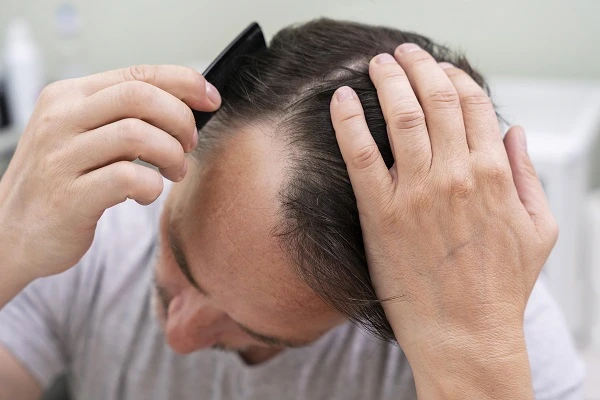
When we talk about our hairline, it’s often amusingly referred to as “baby hairs.” This term isn’t just amusing; it holds a lot of truth. These delicate, fine hairs make up the hairline, and it’s important to treat them with care. In this article we will talk about Preventing Traction Alopecia, Let’s Help You.
Despite the fragility of the hairline, many people subject it to harsh treatment. It’s not uncommon to witness individuals braiding, weaving, excessive brushing, flat-ironing, and other aggressive styling methods that can lead to a condition known as traction alopecia.
You may also like: How Is the Postoperative Period of Hair Transplantation?
Understanding Traction Alopecia
Traction alopecia is a form of hair loss that occurs due to consistent and forceful pulling of the hair. It can manifest in various areas of the scalp but is most frequently observed around the hairline. Both men and women can experience this type of hair loss, often as a result of certain styling techniques and choices that place excessive stress on the hair.
Aside from specific hairstyles, other habits can contribute to traction alopecia. These habits may include wearing tight headgear or sporting tight ponytails. Simply relying on protective styles or adopting a healthy styling approach may not provide sufficient protection against traction alopecia. The key is to avoid consistently adopting hairstyles that place undue pressure on your delicate hair follicles.
Continuously subjecting your hair to aggressive styling techniques is a styling sin. This may sound lighthearted, but it can have serious consequences for your hair. If not addressed promptly, these actions can lead to irreversible damage. However, there are early warning signs to watch for that can help you prevent traction alopecia and safeguard your precious “baby hairs.”
Is Traction Alopecia A Permanent Condition?
Traction alopecia is a hair loss condition that arises from the continuous and excessive pulling and tension on hair follicles. Its progression towards becoming a permanent condition requires an in-depth understanding of the early warning signs and the factors contributing to its development.
Traction alopecia doesn’t manifest abruptly; it unfolds over time. Recognizing the evolution of its symptoms and taking timely action is critical to prevent severe and long-lasting hair loss that can significantly affect both your physical appearance and self-esteem.
Initial Indications of Traction Alopecia
Itchy Hairline
The condition often begins with mild itching sensations around the hairline. This initial discomfort can intensify over time, evolving into a distressing symptom. Neglecting this symptom can lead to greater hair damage and discomfort.
Development of Bumps
The itching sensation can progress to localized soreness and the emergence of noticeable bumps in the affected area. Failing to address these signs can lead to the rupturing of these bumps, causing pus to discharge and potentially worsening the condition.
Hair Recession
One of the subtler but crucial indicators of traction alopecia is the gradual alteration of the hairline. Over time, the hairline starts to recede, making early detection challenging. Often, individuals only become aware of the recession when it’s already in an advanced stage.
Thinning Hair
Traction alopecia can lead to hair thinning, primarily along the sides of the head and frontal areas. This thinning signifies that the condition is negatively impacting the overall health of the hair.
Change in Hair Texture
Previously thick and resilient hair may lose its thickness and strength, manifesting as a change in hair texture. The once-vibrant hair begins to look and feel more fragile.
Hair Breakage
In the region affected by traction alopecia, you may observe hair breakage as one of the early consequences. The constant strain on hair follicles weakens the hair shaft, leading to brittle strands that are prone to breaking. This can result in noticeable hair loss, especially when brushing, combing, or styling.
Scalp Blistering
In more severe cases of traction alopecia, individuals may experience scalp blistering. This occurs due to the persistent and extreme tension placed on hair follicles. The blisters are a result of inflammation and fluid accumulation, causing discomfort and visible changes on the scalp. These blisters can be painful and contribute to the overall distress associated with the condition.
Balding and Permanent Scarring
As traction alopecia advances, it can lead to the development of bald patches and permanent scarring in the affected areas. These advanced consequences are challenging to reverse once established. The hair follicles in these regions are severely damaged, rendering them incapable of regrowing hair. The presence of scars further compounds the problem, as they alter the texture and appearance of the scalp.
Regardless of the subtlety of these changes, it is imperative to take note of each one and respond promptly. Ignoring these early signs can lead to irreversible hair loss. Thus, understanding the condition’s progression and taking proactive measures is essential for maintaining healthy, resilient hair and preserving your overall well-being.
What Should You Do When You See These Symptoms?
Identifying the signs of traction alopecia in its early stages is crucial for successful management. Traction alopecia can be effectively addressed if diagnosed and treated promptly. To prevent the condition from worsening, it’s essential to take action when you observe these symptoms.
To safeguard your hair, it’s imperative to steer clear of styling habits that can harm the hair follicles. If you must engage in these practices, make sure they are neither repetitive nor prolonged. Additionally, when you decide to remove such styles, it’s important to conduct thorough hair cleansing and prevent any further strain on your hairline.
Putting an end to tight hairstyles is the first step towards hair recovery. Once you discontinue these styles, you can promote hair regrowth with the assistance of topical treatments like Minoxidil. Minoxidil is remarkably effective in revitalizing aging hair or addressing hair loss attributed to traction alopecia. It’s advisable to keep Minoxidil in your hair care kit, eliminating the need for a prescription.
An alternative treatment option involves receiving a low-dose injection from a dermatologist. This injection works to counteract inflammatory activity surrounding the hair. By addressing inflammation, you pave the way for other hair rejuvenation methods to yield the desired results.
Effect of Traction Alopecia
Understanding the profound consequences of traction alopecia, a condition arising from prolonged and excessive hair follicle tension, is vital for appreciating the urgency of prevention and timely intervention. Here, we delve into the intricate details of these effects on hair and overall well-being.
Hair Loss
The most conspicuous and distressing effect of traction alopecia is hair loss. Hair follicles, when continually subjected to excessive tension, undergo weakening and may ultimately cease hair production. This can result in various degrees of hair thinning, the formation of noticeable bald spots, and, in severe cases, permanent hair loss.
Scalp Discomfort
Individuals with traction alopecia often experience persistent discomfort and tenderness in the affected areas of the scalp. This discomfort is often attributed to the constant pulling and stress placed on the hair roots by tight hairstyles. Over time, this discomfort can become increasingly problematic and affect overall quality of life.
Scalp Inflammation and Irritation
The ongoing tension on the scalp can trigger inflammation and irritation, leading to redness, itching, and, in some instances, the development of painful bumps or pustules. These conditions can not only be physically uncomfortable but also aesthetically unpleasing, further adding to the burdens of those affected.
Psychological Impact
Hair loss due to traction alopecia can have a profound psychological impact. Many individuals who suffer from this condition may experience lowered self-esteem, self-consciousness, and emotional distress. The changes in one’s appearance can lead to shifts in self-image, impacting overall confidence and well-being.
Permanent Damage
In advanced cases, traction alopecia can result in irreparable damage to the hair follicles, rendering them incapable of regrowing hair. This is a significant concern for those who do not take timely preventative measures or address the condition in its early stages. The permanence of this damage underscores the importance of early intervention.
Limited Styling Options
The constraints imposed by traction alopecia can limit one’s choices in hairstyles. Individuals with this condition may need to avoid certain styles that exacerbate the condition, reducing their ability to express themselves through their hair. This limitation can be both frustrating and confining.
Long-Term Consequences
Left untreated, traction alopecia can lead to increasingly severe and persistent consequences for hair and scalp health. The condition can worsen over time, making it progressively more challenging to manage or reverse. Timely action is, therefore, imperative to prevent these long-term repercussions.
Preventing Traction Alopecia
If you find yourself regularly reaching for pain relievers due to discomfort caused by a particular hairstyle or constantly itching your scalp, it’s crucial to understand that traction alopecia may be taking a toll on your hair. Fortunately, this condition can be avoided.
Regardless of your preferred hairstyle, the primary strategy for averting this hair condition is to diversify your styling methods. This straightforward approach can help you evade long-term damage to your hair follicles. For instance, if you favor tight braids, consider opting for knotless braids, as they alleviate the pressure on your hair follicles.
Another crucial aspect of prevention is to be mindful when applying chemical products to your hair. These chemicals can potentially harm and weaken your hair. That’s why many experts recommend using natural products for hair care.
Final Words
The best approach to dealing with traction alopecia is to prevent it rather than attempting treatment after the fact, which can be both costly and risky. Furthermore, when a condition necessitates treatment, it signifies a deviation from its original state. Therefore, it’s wise to steer clear of hairstyles that expose your hair to the risk of traction alopecia to maintain your hair’s natural beauty and health.