



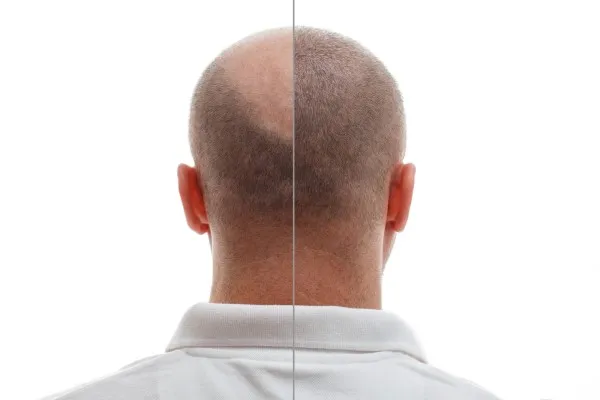
During the postoperative hair transplant process, it may take approximately 2–3 months for the newly transplanted follicles to fully settle in place. You may initially observe coarse and patchy hair growth, which is completely normal during this stage of healing. The new hair often takes time to adapt and begin growing in a more uniform and natural manner. Most patients undergoing a hair transplant for men find that visible improvement starts to appear within the first few months. While this early growth phase might seem discouraging, it is part of the standard process and should not cause alarm.
Within approximately 10 months after the procedure, most individuals achieve a full head of natural-looking hair. The transformation can be life-changing, especially when compared to hair transplant before and after results shared by others. It’s important to understand that no two recovery journeys are the same, as each person’s hair growth and healing differ. Keeping your scalp clean, following your surgeon’s recommendations, and staying patient are all vital to supporting optimal growth.
In some cases, you might be curious about options abroad, such as wondering how much is a hair transplant in Turkey compared to local alternatives. Turkey remains a popular destination, but for those considering staying closer to home, understanding the hair transplant UK cost is equally crucial. Price, expertise, and aftercare should all be weighed carefully before making your decision. If at any point during the postoperative hair transplant you feel unsure or concerned about progress, reaching out to your specialist is the best course of action.
How is the postoperative hair transplant period?
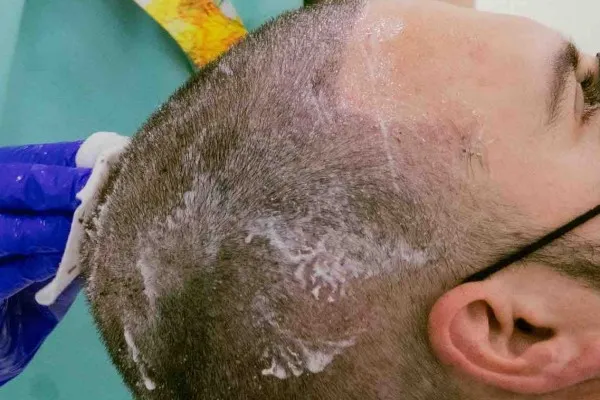
The postoperative hair transplant is a critical stage that determines the success and longevity of your new hair growth. Following the right aftercare steps during this period can significantly affect the final results of your procedure. From minimising risks of infection to supporting healthy follicle development, each phase in recovery plays a vital role.
In this article, we’ll break down what to expect after a hair transplant. We’ll guide you through the different stages of healing, highlighting the most important care tips from day one to two weeks post-surgery. Whether you’re undergoing a hair transplant for men or another type, these insights are essential to maintain optimal results and avoid complications.
1-4 Days
Following your hair transplant, it is crucial to carefully adhere to the aftercare instructions provided by your surgeon. Upon discharge, you will be provided with a Headquarters aftercare bag, which contains all the necessary items for your recovery, including a saline spray bottle. Regularly spraying your scalp with saline is essential to protect the follicles and accelerate healing.
This routine helps prevent infection in the incision areas and minimises scab formation. Spray gently and consistently, every few hours, to keep the area hydrated and reduce irritation. Avoid touching or scratching the scalp during this phase, as follicles are still very fragile. Sleep with your head elevated to reduce swelling and discomfort.
5-9 Days
During the postoperative hair transplant process, it is crucial to prioritise rest and recovery. Approximately 5 to 9 days after the procedure, your scalp will have undergone significant healing, allowing you to resume gentle washing. At this stage, any discomfort and swelling experienced following the transplant should have largely subsided. However, it is important to refrain from using shampoo and instead focus on delicately removing any dry skin or scabs.
Pat the area dry instead of rubbing, and continue spraying with saline if recommended. While most of the healing process takes place during this period, it is highly recommended to avoid engaging in strenuous activities that may exert excessive pressure on the follicles. Taking this precaution ensures that all hair follicles have completely healed before resuming your regular routine.
10-14 days
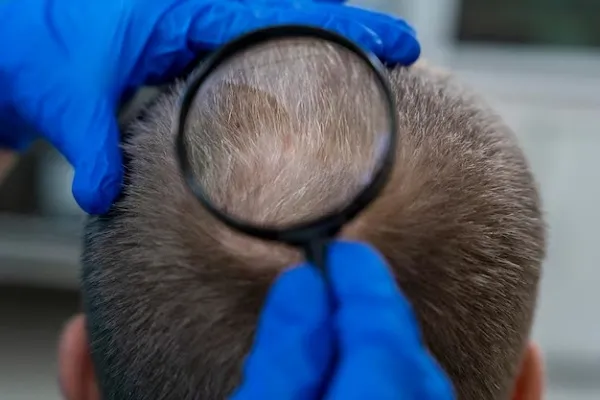
During the postoperative hair transplant process, it is important to follow proper care and hygiene routines to ensure successful healing and optimal hair growth. This section (and the following one) provides guidelines for the 10–14 day period following the procedure, including instructions for resuming haircare, choosing suitable shampoo, and addressing common concerns. By this time, gentle shampooing with a surgeon-approved product may be permitted.
Begin to return to light physical activities if advised, but still avoid anything that might cause sweating or trauma to the scalp. Observe your scalp daily for signs of healing and consult your specialist if unusual symptoms arise. By adhering to these practices, you’ll support strong, consistent hair regrowth while reducing the risk of complications.
The healing process: Pink scalp and scabs
As we said before, the postoperative care of hair transplant requires special attention to ensure optimal healing and long-term results. During the first 10 to 14 days, it is common for the scalp to exhibit a pinkish tone along with the presence of scabs. This is particularly noticeable in individuals with fair skin, who may experience this effect for a slightly longer period. However, unless you feel pain, swelling, or severe itching, there is no cause for concern. This stage is a completely natural and expected part of recovery after surgery.
In this phase, it is normal for the transplanted hair to shed temporarily, creating the impression that the procedure has been ineffective. This phenomenon is called “shock loss” and happens as part of the follicle’s cycle. Soon afterwards, the implanted follicles enter a growth phase and begin to sprout new hair. This regrowth will gradually fill in the thinning or bald areas, providing visible results in the weeks and months to come. The postoperative hair transplant includes patience, care, and consistency to achieve the expected transformation and new strands. Then, you will be proud of your transformation—an early glimpse into your hair transplant before and after journey.
1- Resuming hair washing: Back to your routine
Once the pink scalp and scabs have healed, you may return to your normal hair washing routine. Many patients wonder when and how to resume washing their hair after surgery. The answer is simple: when the scalp is free from crusts and redness, you may gently begin. Use your regular shampoo as long as it is non-abrasive and free of irritants. If in doubt about its ingredients, it’s best to consult your specialist. Avoid products with alcohol, sulphates, or strong fragrances.
Tea tree shampoo is often suggested for its calming and antiseptic properties. It cleans without causing irritation, making it a popular option after a transplant. If you know you’re allergic or sensitive to any ingredients, avoid them completely. This phase is important not only for hygiene, but also for ensuring that the scalp remains calm, moisturised, and receptive to new hair growth. Consistent and proper care during this time is vital for long-term results and a healthier scalp environment.
2- Proper hair washing technique
To safely clean your hair in the days following the surgery, follow this simple and effective method.
- Prepare a clean bowl of lukewarm water.
- Add a small amount of tea tree shampoo to the water and mix thoroughly to create a soapy solution.
- Carefully pour the solution over the transplanted and donor areas using a cup or a jug.
- Gently pat the transplanted area, focusing on the grafts, and wash the suture line using a circular motion.
- Rinse thoroughly with clean lukewarm water, ensuring no shampoo residue remains on your scalp. This prevents irritation or infection.
- After washing, allow your hair to air dry naturally. Alternatively, you can gently pat it dry with a clean towel. Avoid vigorous rubbing or using hot air dryers, as they may cause damage or irritation.
NOTE: Follow this hair washing routine once a day from the fourth to the fourteenth day after the hair transplant. Remember: Consistency is key to promoting healing and maintaining a clean scalp.
3- Stitch removal and resuming exercise
If you underwent the FUT technique (Follicular Unit Transplantation), the stitches placed in the donor area will usually be removed between the seventh and tenth day. This timing may vary depending on individual healing rates and should be confirmed with your surgeon. It’s essential not to remove stitches on your own, even if they appear ready. Only a qualified specialist should perform the removal to avoid complications.
Regarding exercise, light activities can generally be resumed once stitches are removed and the scalp shows no signs of active healing or inflammation. Nonetheless, consulting with your clinic before restarting your fitness routine is strongly advised. Intense workouts can increase blood flow to the scalp and risk dislodging grafts if resumed too early. Avoid swimming, heavy lifting, and contact sports until you receive medical clearance. Your long-term hair restoration results depend greatly on your post-surgical discipline.
How are the check-up appointments at 3-6 months?
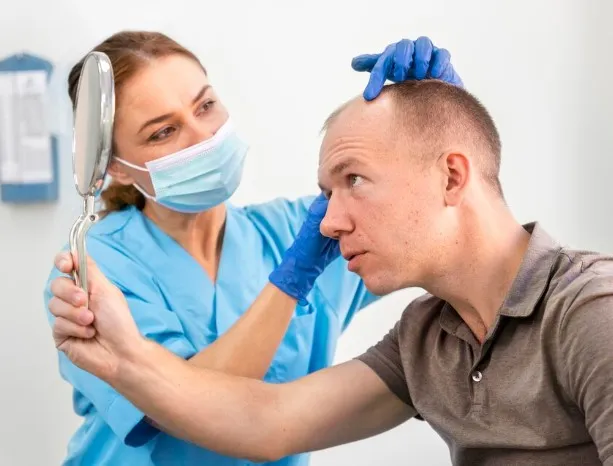
Postoperative of hair transplant care plays a crucial role in achieving long-term success after the procedure. Once the incisions have healed, the hair enters its natural growth cycle. It is essential to attend scheduled follow-up visits at the 3-month and 6-month marks to ensure everything progresses correctly. These check-up appointments are a key part of the postoperative of hair transplant phase and help document the evolution of hair regrowth with regular photographs. Despite a busy lifestyle, prioritising these visits and marking them in your calendar helps safeguard your investment and results.
These check-ups fulfil two essential functions. Firstly, every patient heals differently, so these appointments ensure that your recovery aligns with medical expectations and that no irregularities arise. Secondly, they provide a valuable opportunity to speak with your specialist and raise any concerns or questions you may have regarding long-term aftercare. This is especially useful for those comparing options internationally, such as wondering how much is a hair transplant in Turkey, and wanting expert advice on outcomes and care standards.
Hair regrowth: 10 months onward
Two to three months after the procedure, you’ll likely begin to notice early signs of regrowth. The appearance may be uneven initially, as hair follicles do not activate at the same time. From months five to eight, most transplanted follicles begin producing hair consistently, giving a more even look. By ten months, most patients enjoy noticeable hair density and a natural finish. At this stage, a trim helps unify hair length, refining the final result and boosting confidence in public appearances or daily interactions.
Final check-up: 12 months after
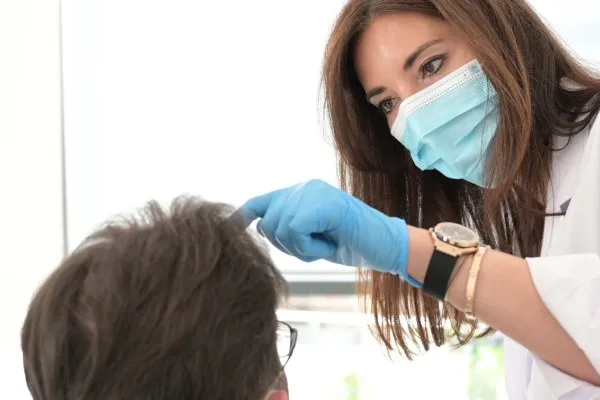
Twelve months after the transplant, your surgeon will perform the final follow-up to assess the treatment’s full outcome. During this visit, the hairline and overall growth are thoroughly examined, and your surgeon may advise on maintaining hair health long term. For those considering future enhancements or comparing costs like hair transplant UK cost, this appointment provides a clear benchmark of results and expectations moving forward.
Conclusion
The postoperative hair transplant process is a crucial phase that requires careful attention and patience to achieve the best possible results. Following the recommended aftercare steps diligently can significantly enhance healing and encourage healthy hair growth. Understanding what to expect during this period helps patients remain calm and confident throughout their recovery.
Every individual’s healing journey may vary slightly, but common experiences such as mild swelling, scabbing, and temporary shedding are normal and typically resolve within a few weeks. It is essential to maintain communication with your specialist and report any concerns promptly. This ensures that any complications are addressed quickly and the transplant outcome remains optimal.
Adhering to post-surgery advice not only supports scalp health but also protects the newly transplanted follicles from damage. Taking precautions like avoiding strenuous exercise, direct sun exposure, and certain hair products during the initial weeks is vital. By doing so, patients can help secure a natural and lasting restoration of their hairline.
If you are considering a hair transplant and want expert care through every stage, visit capilclinic.uk for detailed information and personalised consultations. Our dedicated team is ready to guide you through the entire process, ensuring a successful and satisfactory hair restoration experience.
At Capilclinic, we’re trusted by thousands of patients in the UK and Europe as a leading Hair Transplant Clinic in Turkey and Spain, known for our expert doctors, advanced facilities, natural hairline results, and affordable all-inclusive packages. Reach out to our team today to start your transformation.
Leave a Reply