



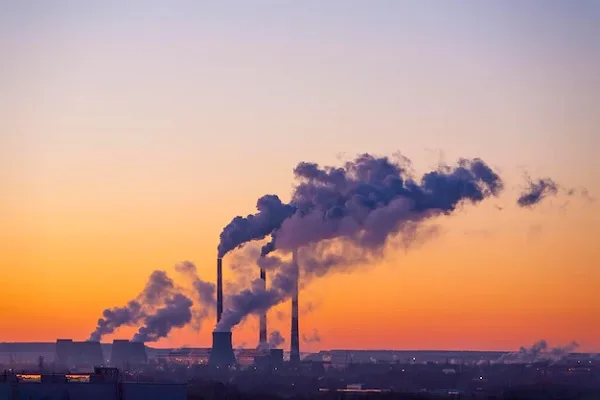
Several key elements regarding the connection between environmental factors and hair health should be considered. Environmental factors such as sun exposure, harsh weather conditions, styling, and pollution influence hair loss and the appearance of hair. Exposure to pollutants and UV rays can damage the hair shaft, leading to dryness, breakage, and dullness.
Additionally, using heat styling tools or chemical treatments without proper protection can weaken hair and contribute to hair loss over time. To maintain healthy hair in the face of environmental challenges, it’s essential to protect hair from the elements by wearing protective hairstyles, wearing halves, and using products that provide UV and heat protection because pollution influences hair loss.
Causes of why pollution influences hair loss
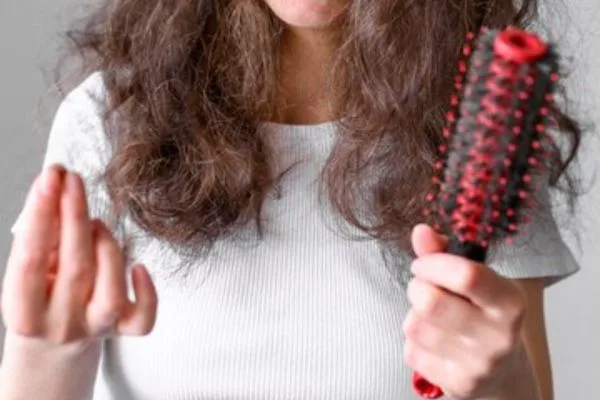
Pollution influences hair loss as it has a direct and detrimental impact on hair health. It leads to hair loss by affecting the scalp, hair follicles, and overall hair structure. The key mechanisms through which this occurs include:
Damage from airborne pollutants
Pollutants like particulate matter (PM), dust, and smoke settle on the scalp and hair, forming a layer of debris. These particles clog hair follicles, disrupt the hair growth cycle, and weaken the roots. Moreover, pollutants trigger inflammation and irritation, which reduce the scalp’s ability to support healthy hair growth.
Oxidative stress
Pollutants release free radicals, which are unstable molecules that cause oxidative stress. This stress damages hair follicle cells and accelerates hair aging, leading to thinning and hair loss. Additionally, oxidative stress weakens the scalp’s natural barrier, leaving it vulnerable to further environmental harm.
Scalp health deterioration
Pollutants strip the scalp of its natural oils, resulting in dryness, itchiness, and dandruff. This unhealthy scalp environment interrupts the nourishment of hair follicles, thereby increasing hair shedding.
Chemical exposure
Toxins in polluted water or air, including heavy metals and volatile organic compounds, penetrate the scalp and disrupt cellular function. These chemicals also interfere with keratin production, weakening the hair’s strength and health.
Weakening of hair structure
Pollutants such as sulfur dioxide and nitrogen oxides degrade the hair shaft. This way, it becomes more brittle and prone to breakage. Combined with UV ray exposure, this damage accelerates hair loss over time.
What types of pollution influence hair loss?
Pollution poses a significant threat to the health of our hair, triggering a cascade of adverse effects that confirm that pollution influences hair loss. The primary ways that pollution contributes to these issues include:
Air pollution
The air we breathe contains various harmful substances, including particulate matter, noxious gases, and toxic chemicals. These pollutants can easily settle on our hair and scalp, leading to several adverse effects. Over time, exposure to these elements can result in dryness, making the hair brittle and prone to breakage.
Additionally, the accumulation of these pollutants can irritate the scalp, potentially leading to inflammation, itchiness, or even conditions like dermatitis.
Water pollution
The quality of our water supply plays a crucial role in maintaining healthy hair. In many areas, hard water, which contains high levels of minerals like calcium and magnesium, can affect the hair’s sheen and softness. Furthermore, chlorine and other contaminants often found in tap water can strip the hair of its natural oils.
This depletion can cause hair to become overly dry and frizzy, resulting in a lackluster appearance. Showering or swimming in polluted water can further exacerbate these issues, contributing to dull, lifeless hair.
UV radiation
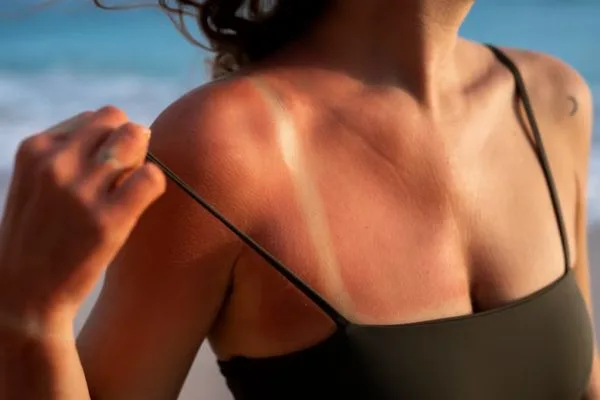
Prolonged exposure to ultraviolet (UV) rays from the sun poses risks to our skin and has detrimental effects on our hair. UV radiation can damage the cuticle, the outer protective layer of the hair strand. This damage can increase dryness and brittleness, making hair more susceptible to split ends and breakage.
Additionally, UV exposure can contribute to color fading, especially in color-treated hair, which may result in a less vibrant and healthy look.
Chemical pollution
Many commercially available hair care products contain harsh chemicals, including sulfates, parabens, and silicones. While these ingredients may provide immediate benefits such as lather or shine, they can build up on the hair and scalp over time.
This accumulation can lead to irritation and allergic reactions, manifesting as redness or itching. In some cases, prolonged exposure to these chemicals may even contribute to hair thinning and loss, as they can disrupt the natural balance of oils and moisture in the scalp.
10 tips to protect hair from pollution
First, remember to protect hair from pollution. Use products specifically formulated to remove buildup, nourish the hair, and provide a protective barrier against environmental stressors. Regular cleansing, conditioning, and deep conditioning treatments can help maintain your hair’s health and vitality in the face of pollution. Now, let’s examine the different types of pollution that influence hair loss.
1. Use a pollution-shielding shampoo and conditioner
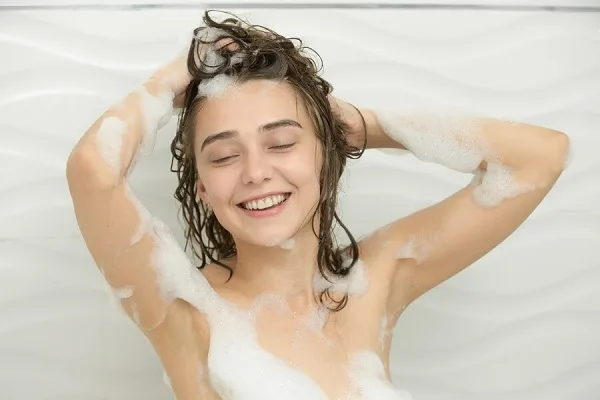
Choose hair care products specifically designed to combat the effects of pollution. Look for formulas enriched with powerful ingredients such as activated charcoal, which helps draw out impurities, antioxidants that protect hair from environmental stressors, and chelating agents that effectively neutralize harmful pollutants. These elements work together to cleanse and fortify your hair against the damaging effects of the environment.
2. Apply a protective hair serum or oil
Incorporate a luxurious serum or nourishing oil into your hair care routine. Opt for products that contain silicones, fatty acids, and other enriching ingredients. These create an invisible barrier around your strands. This protective layer acts as a shield against environmental aggressors, helping to keep your hair smooth, shiny, and resilient.
3. Wear a scarf or hat when outdoors
When venturing outside, accessorize with a stylish scarf or a fashionable hat made from breathable fabrics. Covering your hair can significantly reduce its direct exposure to airborne pollutants, safeguarding it from dirt and grime while adding a touch of flair to your outfit.
4. Rinse your hair regularly
Make it a daily ritual to rinse your hair with clean, fresh water, especially at the end of the day or after being in polluted environments for extended periods. This refreshing habit helps wash away accumulated dirt, debris, and any harmful particles that may cling to your hair, leaving it clean and revitalized.
5. Deep condition your hair weekly
Treat your hair to a deeply nourishing conditioning treatment once a week. Choose a rich, hydrating mask that replenishes moisture and strengthens the hair’s internal structure. This indulgent self-care step not only enhances the hair’s resilience but also helps it recover from environmental stressors, keeping it vibrant and healthy.
6. Limit heat styling
Be mindful of excessive heat styling, as tools like straighteners and curling irons can weaken your hair’s structure over time. Minimizing the use of these heat sources allows your hair to maintain its integrity and natural shine, making it less susceptible to the damaging effects of pollution.
7. Eat a hair-healthy diet
Fuel your body and, in turn, your hair with a nutritious diet rich in essential nutrients. Incorporate a variety of foods abundant in antioxidants, vitamins, and minerals, such as colorful berries, leafy greens, and Omega-3-rich fatty fish. These dietary choices nourish your hair from the inside out, fortifying it against the onslaught of pollutants.
8. Hydrate regularly
Keep your hair hydrated and healthy by drinking plenty of water throughout the day. Staying well-hydrated helps maintain optimal moisture levels in your hair, making it more resilient against the drying effects of pollution and enhancing its overall appearance and manageability.
9. Consider a purifying hair rinse

Incorporate a purifying hair rinse, such as diluted vinegar or apple cider vinegar, into your routine. This natural treatment effectively breaks down built-up pollution and residue, cleansing your hair and scalp deeply while restoring freshness and vitality.
10. Protect your hair when exercising outdoors
For those who enjoy outdoor workouts, don’t forget that pollution influences hair loss. That’s why you must protect your hair from sweat and airborne pollutants. Wearing a moisture-wicking sweatband or a cap can help shield your hair during exercise, keeping it clean and free from damaging elements while you focus on staying fit and active.
Faq’s
Are there treatments for pollution-induced hair loss?
Yes. Several effective treatment options are available, including invigorating scalp detox treatments that help remove buildup and promote a healthy scalp environment. Additionally, hair care products enriched with antioxidants can nourish and protect hair from environmental damage.
Who is most at risk for pollution-related hair loss?
Individuals residing in bustling urban centres or industrial zones and those who come into contact with contaminated water or spend extended periods outdoors without adequate protection face a heightened risk of hair loss. This vulnerability is largely attributed to the detrimental effects of pollution, which have been shown to impact hair health negatively.
How often should I wash my hair to protect it from pollution?
It’s generally recommended that you wash your hair more frequently (every 1-2 days) when living in a highly polluted environment. This can help remove the build-up of pollutants and prevent them from causing long-term damage.
Conclusion
Now, you know how pollution influence hair loss. Environmental factors such as airborne pollutants, UV radiation, and chemical exposure significantly impact hair health by weakening the scalp, damaging the hair shaft, and disrupting natural growth cycles. Understanding these risks allows individuals to take preventative measures, such as using protective hair products, maintaining a healthy diet, and adopting protective habits like wearing hats and rinsing hair regularly.
At Capilclinic, we’re trusted by thousands of patients in the UK and Europe as a leading Hair Transplant Clinic in Turkey and Spain, known for our expert doctors, advanced facilities, natural hairline results, and affordable all-inclusive packages. Reach out to our team today to start your transformation.