



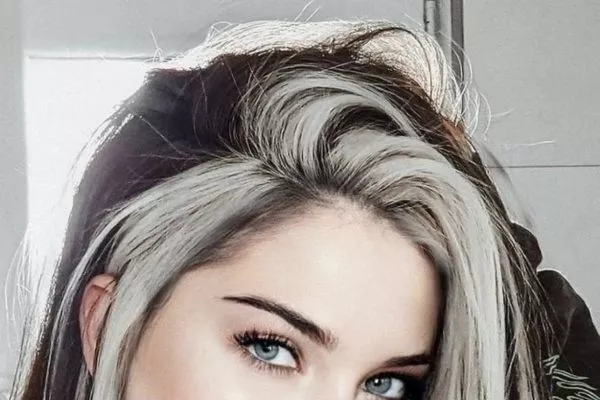
A striking white streak in the hair draws attention and often sparks curiosity about its origins. For some, it appears naturally, while for others, it may result from various factors. Throughout history, these unique hair traits have fascinated people, frequently appearing in myths, art, and fashion. Poliosis, the term for these distinct white patches, further enhances their mysterious appeal.
Embracing individuality plays an essential role in personal style. A white streak can become a defining feature, whether highlighted for aesthetics or worn naturally. It often symbolizes uniqueness and confidence. For those with poliosis, it offers opportunities to explore creative hairstyles and celebrate their distinct look. This one-of-a-kind feature can easily become a memorable part of their identity.
What causes poliosis?

Poliosis is a condition characterized by a lack of pigmentation in patches of hair, leading to white or grey strands. Understanding the underlying causes of poliosis can help manage and address the condition effectively. So, let’s see the causes of poliosis.
If you are also noticing more grey or white strands in general, not just a streak, you can read more about the wider causes of white and grey hair and how pigment changes over time.
Genetic causes
Poliosis may arise from genetic conditions (inherited defects) that affect melanin production, such as piebaldism or Waardenburg syndrome. These conditions result in an inability to produce pigment in certain areas of the body, leading to white patches of hair.
Acquired causes
- Injury or trauma: Poliosis can develop following injuries to the scalp or skin, including events like herpes zoster (shingles) or radiotherapy, which can damage the pigment-producing cells at the base of hair follicles.
- Autoimmune conditions: Conditions such asvitiligo can also lead to poliosis, as they destroy melanocytes, the cells responsible for producing melanin.
- Medication side effects: Certain medications, particularly someused for treating glaucoma or specific antibiotics, have been reported to induce poliosis in rare cases.
What are the symptoms of Poliosis?
The primary and most obvious symptom of poliosis is the presence of patches of white or grey hair on the scalp, eyebrows, or other areas of the body. These patches can vary in size and shape, and they may appear suddenly or gradually over time. Other symptoms of poliosis may include:
- Symmetrical or asymmetrical distribution: The patches of white or grey hair can be symmetrically distributed on both sides of the head, or they may appear asymmetrically, with one side affected more than the other.
- Stable or progressive condition: In some cases, the white or grey patches may remain stable over time, while in other cases, the condition may progress, with the affected areas expanding or new patches appearing.
- No underlying health issues: Poliosis is generally not associated with any underlying health conditions, although it can be a symptom of certain genetic or autoimmune disorders in some cases.
Poliosis or white streak in children
Grey hair is naturally expected in parents and other adults before children and infants, but kids can grow white hair. This condition might concern most parents, who might think it is a sign of something terrible, especially when it occurs in more than just a few strands. Here are some things to know about the causes and treatment of white hair in kids.
It is common for little kids to grow a single strand of white hair, and there is nothing to worry about, especially when the child has naturally dark hair. But when several white or grey hairs appear at a tender age, that is a rare case of poliosis, typically occurring before 30 in black people and before 20 in white people. A child may spot patches of gray hair for several reasons, which include:
What are the causes of Poliosis in kids?

While poliosis is more commonly associated with adults, it can also occur in children, causing understandable concern for parents. If your child has developed a white streak in their hair, it’s important to understand the potential causes and how to manage this condition.
Heredity and genetic factors
Poliosis occurs when melanin and melanocytes are reduced or absent in the hair bulbs of specific follicles. Various genetic syndromes, such as piebaldism, Waardenburg syndrome, and tuberous sclerosis, often accompany this condition. Piebaldism, a rare genetic disorder, creates striking white patches of skin and hair due to the absence of melanin.
These patches usually appear on the scalp, forehead, or body. This condition follows an autosomal dominant inheritance pattern. Certain genes, including SNAI2, directly influence melanin production during hair growth. Gene mutations or other genetic disorders can also cause white hair patches at birth. A family history of poliosis significantly increases the chances of inheriting this condition.
Autoimmune disorders and medical issues
Poliosis frequently connects to autoimmune conditions like vitiligo and alopecia areata. Vitiligo progressively destroys melanocytes, leading to white or grey hair on the scalp. Alopecia areata also contributes by causing sudden hair loss and, in some cases, turning patches of hair white. Additionally, hypothyroidism and hyperthyroidism negatively affect hair health, promoting early greying. Other conditions are:
- Piebaldism: A congenital disorder resulting from mutations in the KIT gene, leading to an absence of melanocytes in certain areas.
- Waardenburg syndrome: A genetic disorder associated with hearing loss and pigmentary anomalies, including white forelocks.
- Tuberous sclerosis complex: This condition can manifest as poliosis along with other systemic symptoms.
- Vogt-Koyanagi-Harada Syndrome: A systemic autoimmune disorder that can affect pigmentation.
If your child is also losing hair, not just developing a white streak, it can be helpful to review other causes of alopecia in children and when to see a dermatologist.
Trauma or injury

Physical injuries, such as burns, cuts, or severe abrasions, often trigger poliosis. Trauma disrupts melanocytes, the cells that produce melanin. Over time, affected regions lose pigmentation, leaving localized patches of white hair.
Vitamin and nutrient deficiencies
A lack of essential vitamins and nutrients often leads to premature greying. Deficiencies in vitamin B12, copper, zinc, or selenium interfere with melanin production. Insufficient folic acid also contributes, as it plays a vital role in maintaining hair pigmentation. Vitamin D insufficiency, particularly in children and teens, worsens early greying.
Environmental exposure
Environmental factors, including stress, pollution, UV radiation, and harsh hair treatments, accelerate premature greying. Passive smoking is especially harmful and can age hair even in young individuals. While stress rarely causes greying in children, it contributes to hair pigment loss when combined with environmental triggers.
Dietary habits
Poor dietary habits often harm hair pigmentation and health. Consuming junk food or inadequate protein may result in hypopigmentation and early greying. Diets lacking folate, vitamin B12, and other key nutrients commonly cause anaemia, which further weakens hair pigmentation and strength.
How to deal with Poliosis in children?
Discovering that your child has developed a white streak of hair, known as poliosis, can be a surprising and sometimes concerning experience for parents. While poliosis is a relatively uncommon condition, it’s important to understand how to effectively manage it and provide your child with the support they need.
Some families also live with rare hair texture conditions such as Uncombable Hair Syndrome, where the hair stands out from the scalp and is very difficult to tame; reading about other rare childhood hair conditions can make your child feel less alone.
Embrace the unique appearance
Encourage your child to view their white streak as a unique and beautiful feature. Remind them that their poliosis adds to what makes them special. Focus on fostering a positive mindset, helping them see their uniqueness as a strength rather than a flaw.
Promote positive self-image
Help your child build confidence by emphasizing their talents, strengths, and passions. Redirect attention from their poliosis to the activities and qualities they enjoy. Celebrate their individuality and achievements to nurture their self-esteem.
Educate and inform
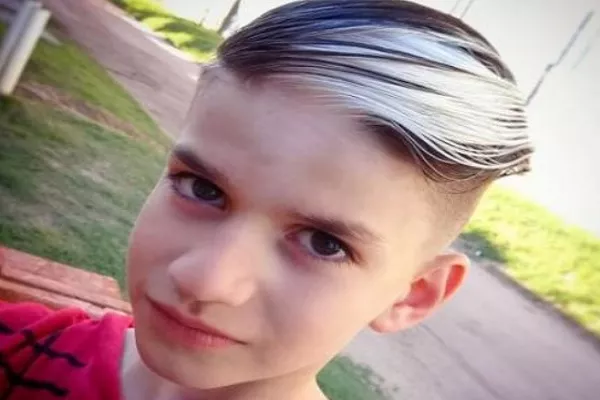
Explain poliosis to your child in simple, age-appropriate terms. Understanding their condition can help them feel more in control and less confused. Knowledge empowers them and reduces any fear or uncertainty about their appearance.
Explore camouflage options
If your child feels uncomfortable with the white streak, discuss options like hair dyes or concealers. Involve them in the decision-making process to ensure they feel confident and satisfied with the chosen approach.
Encourage protective hairstyles
Experiment with hairstyles that minimize the visibility of the white streak, such as bangs or side parts. Work with a professional stylist to find looks that enhance their confidence while keeping them comfortable.
Seek support and counselling
If the condition affects your child emotionally or socially, seek help from a pediatric therapist. Counselling can provide coping strategies, emotional support, and tools to navigate challenges effectively.
Connect with other families
Join online communities or local groups to meet families with similar experiences. Sharing advice and stories can offer reassurance and practical tips for managing poliosis while fostering a sense of belonging.
How to treat Poliosis in children?
In some cases, medical treatment may be recommended for poliosis in children. The specific treatment approach will depend on the underlying cause of the condition and the severity of the symptoms. Potential treatment options include:
- Topical or oral medications to address any underlying skin or autoimmune conditions.
- Camouflage techniques, such as hair dyes or concealer, blend the white streak with the surrounding hair.
- In rare cases, surgical procedures to remove the affected area of hair.
FAQ’s
Does poliosis have a cure?
No. There is no cure for poliosis. However, there are several treatment options available, such as cosmetic camouflage, topical treatments, and in some cases, surgical procedures.
What are the most promising surgical treatments for poliosis?
While there is no guaranteed permanent solution for restoring hair colour in poliosis, surgical options like hair transplantation and skin grafting offer promising avenues for improving the appearance and potentially restoring pigmentation in affected areas.
Does poliosis worsen over time?
Poliosis itself does not typically worsen, but if it is linked to a progressive condition like vitiligo, additional hair or skin areas may lose pigment.
Conclusion
Poliosis, a condition marked by striking white patches of hair, remains a fascinating and unique phenomenon. While its origins may vary—from genetic factors to environmental influences—it often carries no significant health risks. Instead, it offers an opportunity to embrace individuality and celebrate uniqueness, whether in children or adults. By fostering a positive outlook, exploring creative styling options, and seeking support when needed, poliosis can be transformed into a source of pride and self-expression, adding to the diverse beauty of human appearance.
At Capilclinic, we’re trusted by thousands of patients in the UK and Europe as a leading Hair Transplant Clinic in Turkey and Spain, known for our expert doctors, advanced facilities, natural hairline results, and affordable all-inclusive packages. Reach out to our team today to start your transformation.