



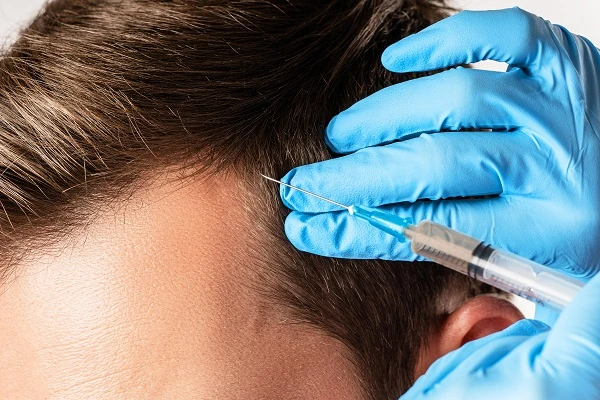
When the body gets injured, it ultimately heals, regardless of the injury’s severity, the person’s age, or the body’s reaction. The human body possesses a remarkable ability to heal itself. Although this healing process begins slowly, it often takes a considerable amount of time to complete. Fortunately, platelet-rich plasma therapy has emerged as a solution to expedite this natural healing process.
While we often rely on medications to assist with healing, we tend to believe that recovery will take time. However, recent discoveries by doctors and scientists reveal ways to accelerate healing. It is important to note that doctors are not magicians; rather, they use entirely natural approaches. This groundbreaking discovery, known as PRP therapy, significantly enhances recovery speed. As time has passed, much has been said and done regarding this revolutionary treatment. This article will provide a unique overview of PRP treatment, highlighting everything you need to know about it.
What is Platelet-rich Plasma Therapy?

If you follow sports news, you may have heard about athletes getting platelet-rich plasma injections to help with their injuries. These injections are made from some of the athletes’ blood properties to speed up the healing process. Platelet-rich plasma therapy has been found effective not only in sports medicine but also in other medical areas such as cosmetics, orthopedics, and neurosurgery.
Although there used to be debates about its effectiveness, platelet-rich plasma therapy has gained popularity, with more people opting for it and more doctors incorporating it into treatment plans. However, safety concerns persist, leading to ongoing trials and research to address these issues.
For those wondering about platelet-rich plasma treatment and its composition, it’s a therapy initially used to treat musculoskeletal injuries but has since expanded to address various health issues. It involves concentrating a patient’s blood in a medical lab and reinjecting it into the body to stimulate healing tissues and speed up the internal healing process. However, this is just a brief overview.
So, how is Platelet-rich plasma therapy done?
As we said before, Platelet-rich plasma (PRP) therapy is an advanced medical treatment that involves the extraction of a small amount of the patient’s blood. The blood is then placed in a centrifuge to separate the platelet-rich plasma from other components. Once separated, the concentrated platelets are collected and injected back into the patient at the site of injury or concern. Let’s see how it works:
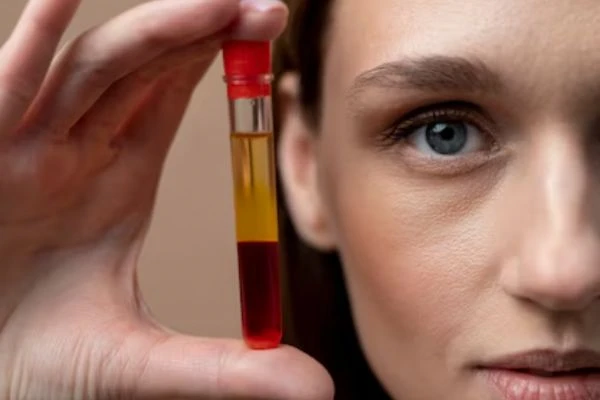
- The treatment starts by collecting a small amount of blood from the patient. Blood contains various components, and one key element is its high concentration of proteins called platelets, essential for healing and growth. These platelets play a crucial role in supporting the body’s functions, making them vital for recovery.
- Next, a centrifuge separates the platelets from the other blood components. This clinical device spins the blood at high speed, effectively isolating the platelets and ensuring they can be prepared for the next stage of the process.
- After separation, the platelets undergo treatment in a lab to enhance their properties. Then, they are reinjected into the patient, guided by an ultrasound for precision. This ensures the treatment is targeted and effective, optimizing the healing process.
What are the Benefits of PRP Therapy?
Platelet-rich plasma therapy is remarkable because it offers the following benefits:
It Heals Varieties of Sports Injuries
PRP therapy has gained popularity due to its widespread use in sports medicine. This innovative treatment has been found to be effective in addressing a variety of injuries that impact muscles, ligaments, joints, and tendons. These injuries often stem from repetitive stress or overuse, leading to tissue degeneration and wear and tear over time.
When PRP therapy is administered, it harnesses the body’s natural healing processes to restore the functionality of the affected areas. This promotes the renewal of mobility and overall function. Additionally, PRP therapy has been shown to stimulate the regeneration of other body tissues, providing athletes with the potential for optimal physical performance and recovery.
It Provides Relief for Osteoarthritis
Osteoarthritis is a degenerative joint disease caused by the loss or reduction of hyaluronic acid, a substance that provides cushioning and lubrication to the joints, enabling them to move smoothly and painlessly. Platelet-rich plasma (PRP) therapy has shown promise in providing relief for patients with osteoarthritis.
This innovative therapy utilizes the abundance of healing factors found in platelets, such as hepatocytes and synovial fibroblasts, to restore hyaluronic acid levels and promote overall joint health. By harnessing the regenerative properties of platelets, PRP therapy aims to alleviate pain, enhance joint function, and potentially slow down the progression of osteoarthritis.
It Requires Minimal Invasion
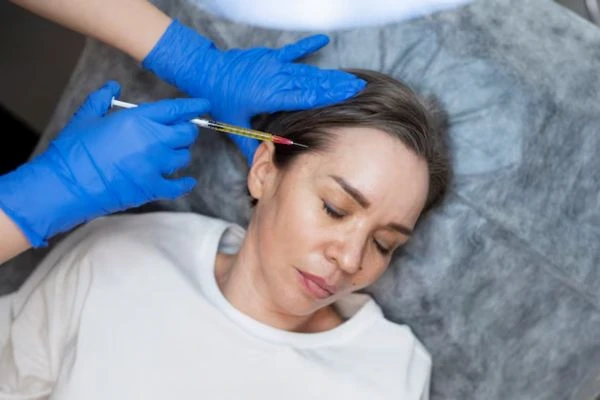
Platelet-rich plasma (PRP) therapy is a noninvasive and nonsurgical process. It begins with the collection of a small blood sample from the patient. The sample is then processed using a centrifuge to separate the platelet-rich plasma from the other components of the blood.
Once the platelet-rich plasma is isolated, it is prepared for reinjection by adding any necessary activating agents. Finally, the platelet-rich plasma is reinjected into the patient at the targeted treatment area. This process harnesses the body’s natural healing abilities to promote tissue repair and regeneration.
It Poses a Permanent Relief for Back Pain
As adults age, back pain significantly increases. However, those dealing with this persistent issue can find hope. A 2015 report revealed that platelet-rich plasma (PRP) treatment effectively reduces chronic back pain.
This innovative treatment uses a concentrated form of the patient’s own blood, rich in platelets, to reorganize the back’s structural components. By harnessing the body’s natural healing processes, PRP treatment offers a potential solution for individuals struggling with long-term back pain, ultimately providing a pathway to improved quality of life.
It Eliminates Inflammation
PRP therapy effectively reduces inflammation caused by injuries to the joints, ligaments, tendons, and other musculoskeletal structures. This regenerative treatment works by utilizing the body’s natural healing abilities, making it a powerful option for injury recovery. Moreover, its ability to target inflammation promotes faster healing and long-term relief from pain.
This innovative therapy uses a concentrated form of the patient’s own blood, rich in platelets containing growth factors that promote tissue repair and regeneration. By delivering these growth factors directly to the injury site, PRP therapy accelerates the healing process while alleviating inflammation. As a result, it improves function and reduces pain, making it an effective treatment for recovery.
Is Platelet-rich Plasma Therapy Safe?
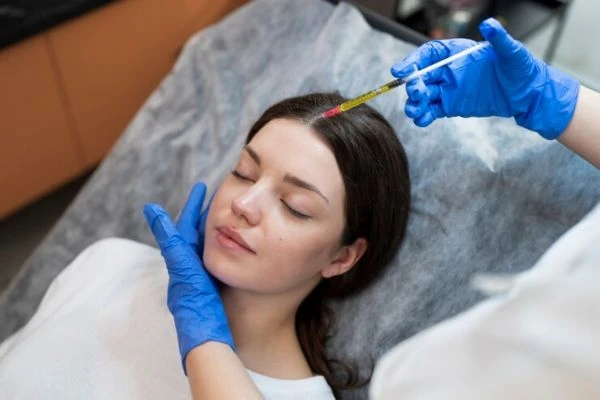
The safety of clinical treatments depends on various factors, including the effects and procedures involved. As mentioned earlier, administering platelet-rich plasma therapy is remarkably seamless, which strengthens its reputation as one of the safest treatment options. This simplicity plays a key role in its widespread acceptance.
One crucial factor enhancing the safety of this therapy is the use of the patient’s own blood. By avoiding donor blood, the therapy eliminates the risk of transferring contagious ailments, further boosting its safety profile. Additionally, patients generally experience minimal to no adverse effects, and any potential side effects from the injection are brief and quickly dissipate. This detailed analysis highlights the safety and minimal risk associated with platelet-rich plasma therapy, offering patients reassurance about its effectiveness.
Who is a Good Candidate for PRP Therapy?
PRP therapy is ideal for individuals looking to enhance their body’s natural healing process. Candidates often include those with joint pain, tendon injuries, or hair loss, as well as patients seeking cosmetic treatments like skin rejuvenation. Athletes, people with chronic musculoskeletal issues, and those looking for non-invasive solutions often benefit the most. PRP is a natural option for patients seeking treatments without synthetic substances or invasive surgery.
However, PRP therapy may not be suitable for everyone. Individuals with blood disorders, certain cancers, or active infections may not be eligible. Additionally, patients on blood thinners or with severe anemia should avoid this treatment.
Before proceeding, a consultation with a medical professional is essential. During the assessment, doctors will review the patient’s medical history, discuss symptoms, and evaluate overall health. Blood tests also ensure the therapy is safe and effective for each patient. This personalized approach ensures that only suitable candidates proceed with PRP therapy.
Faq’s
Is Platelet-rich Plasma Therapy painful?
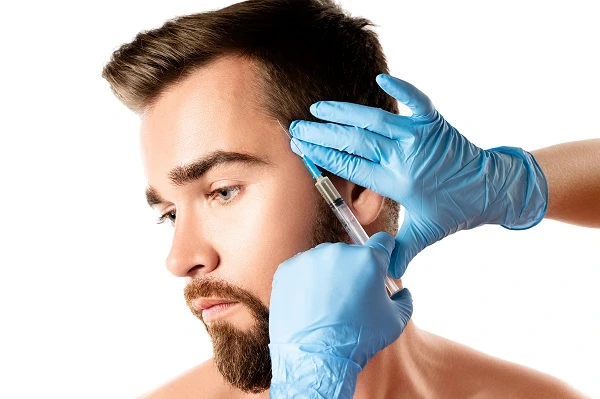
Platelet-rich plasma Therapy involves drawing a small amount of blood from the patient and injecting the concentrated platelet-rich plasma into the targeted area. Although this procedure may cause slight discomfort, most patients typically experience minimal pain. To further reduce any potential discomfort during the treatment, doctors often apply local anesthesia.
How many PRP treatments are required?
The number of platelet-rich plasma treatments varies depending on the specific condition. While some patients notice significant improvement after just one session, others require multiple treatments. Typically, these sessions are spaced out over a few weeks to achieve optimal results, ensuring the best possible outcome.
Are there any side effects of PRP Therapy?
PRP Therapy uses the patient’s own blood, which significantly reduces the chances of allergic reactions or adverse side effects. However, some patients may experience temporary swelling, redness, or mild discomfort at the injection site. Fortunately, these side effects usually subside within a few days, allowing patients to resume their normal activities quickly.