



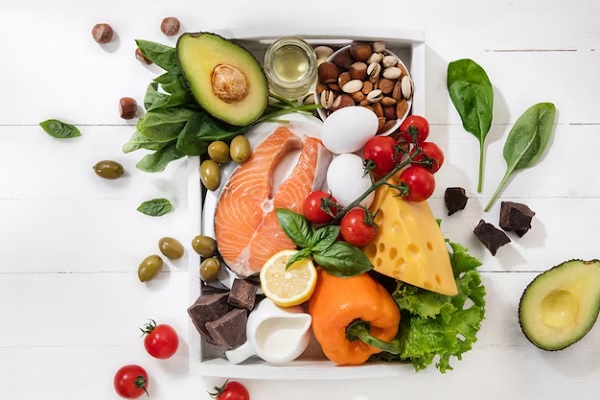
Recognizing and promptly addressing the onset of hair loss, whether triggered by stress, seasonal changes, or potential alopecia, is of utmost importance. Beyond the vast array of products designed to counteract hair loss, alternative methods are available to nurture and fortify the health of our hair follicles. These approaches involve integrating essential substances into our daily routine, effectively strengthening our hair and minimizing the impact of hair loss. In this article, we will talk about the nutrients that help reduce hair loss.
One particularly effective, simple, and budget-friendly strategy revolves around enriching our diet with highly nutritious foods. These specific foods have gained recognition for their ability to foster the growth and well-being of hair follicles. Delving into where these beneficial elements can be sourced provides valuable insights into creating a comprehensive approach to hair care.
Reasons Behind Hair Loss
Various factors contribute to hair loss, and identifying these root causes is essential for effective prevention and control. Below are some common explanations for hair loss:
Inherited Hair Loss (Genetic Predisposition)
A major factor in hair loss is genetic inclination. If there’s a family history of baldness or thinning hair, the likelihood of experiencing similar hair loss patterns increases.
Hormonal Shifts
Changes in hormones, such as those during pregnancy, childbirth, menopause, and thyroid issues, can play a role in hair loss. Hormonal imbalances, especially in dihydrotestosterone (DHT), can impact the hair growth cycle.
Health Conditions
Specific medical conditions, such as autoimmune diseases, alopecia areata, and fungal scalp infections, can result in hair loss. Chronic illnesses and related medications may also cause this side effect.
Nutrient Deficiencies
Insufficient intake of crucial nutrients can impact hair loss. Iron, zinc, vitamins (particularly B vitamins), and proteins can affect the health of hair follicles and contribute to hair loss.
Stress – Physical and Emotional
Significant physical trauma, surgery, or emotional stress can trigger telogen effluvium. That is the phase where numerous hair follicles enter the resting phase simultaneously, causing noticeable hair shedding.
Unhealthy Hair Practices
Excessive use of harsh styling products might be unhealthy hair practices. Frequent heat styling, tight hairstyles (such as braids or ponytails), and aggressive brushing can harm the hair shaft and contribute to hair loss.
Aging
The passage of time is a natural factor that can reduce the production of hair growth factors. Aging means that growth slows down the hair growth cycle, resulting in thinning and hair loss.
Environmental Elements
Exposure to environmental pollutants, harsh water, and ultraviolet (UV) radiation can negatively impact the scalp. It also contributes to hair loss because of the hair condition.
Medication Side Effects
Some medications may have side effects that include hair loss. Those include the ones that are used for cancer, arthritis, depression, heart problems, gout, and high blood pressure
Poor Blood Flow
Inadequate blood circulation to the scalp can compromise the delivery of essential nutrients to hair follicles. That affects their health and causes hair loss. Identifying the specific cause of hair loss is vital for determining the most effective treatment or management approach.
Detecting the Early Signs of Hair Loss
Understanding the nuanced indicators of hair loss is essential for prompt identification and effective intervention. Here’s an in-depth look at specific signs that may suggest you are experiencing hair thinning or potential hair loss:
Increased Hair Shedding
Pay attention to a surge in daily hair shedding, noticeable in your hairbrush, pillow, or shower drain. If the lost hair volume exceeds the norm, it could signify heightened shedding.
Thinning on the Crown
Both men and women commonly experience gradual thinning at the top of the head, particularly in the crown area. This early stage of hair loss may manifest as a widening part or a reduction in hair density in that region.
Receding Hairline
Men, in particular, may observe a receding hairline as one of the initial signs of male pattern baldness. This is characterized by the hairline moving higher on the forehead, forming a distinct “M” shape.
Widening Part
Women may notice a widening part where the scalp becomes more visible due to decreased hair density. This is often a subtle yet significant indicator of hair thinning.
Noticeable Hairline Changes
Changes in the shape or density of the hairline can be observed, such as the development of a more pronounced “M” shape in men. These alterations can be indicative of ongoing hair loss.
Bald Patches
Alopecia areata, characterized by circular or oval bald patches on the scalp, is a clear sign of hair loss. This condition may necessitate medical attention to address the underlying causes.
Itching or Pain
Unexplained itching or discomfort on the scalp may be associated with hair loss. This serves as a potential signal of an underlying issue affecting the health of your hair.
Changes in Hair Texture
Thinning hair may exhibit changes in texture, feeling finer or less dense than usual. These textural variations can be early indicators of ongoing hair loss.
Excessive Breakage
Hair that breaks easily, especially at the ends, contributes to the appearance of thinning or falling hair. Assess your hair’s brittleness, as excessive breakage can be linked to underlying issues.
Foods That Increase Hair Strength
Kiwi
Kiwi fruit is renowned for its exceptional concentration of Vitamin C. This vitamin is a pivotal element in fostering healthy hair by supporting collagen production. Collagen, an essential component present in each hair follicle, is a foundational substance crucial for sustaining its vitality and overall health.
Hazelnuts
Turning our attention to hazelnuts, these nuts are distinguished by their remarkably high biotin content, boasting an impressive 76 micrograms per 100 grams. This elevates hazelnuts to a status of dietary indispensability for those seeking to nourish and fortify their hair follicles.
Additionally, hazelnuts are rich in vitamin H or B8. That contributes to the efficient metabolic utilization of lipids. This not only enhances the elasticity of our hair but also promotes improved blood circulation in the scalp—a critical factor in arresting the progression of hair loss.
Salmon
Enter salmon, a nutritional powerhouse serving as a fundamental source of omega-3 fatty acids. These essential compounds are pivotal in maintaining optimal hair hydration and a healthy scalp. Since our bodies do not naturally produce omega-3 fatty acids, incorporating salmon into our regular diet at least twice a week is strongly recommended, particularly for individuals grappling with severe hair loss.
Cockles
Few foods rival the potency of cockles, a shellfish delicacy, in nutrition. Boasting an extraordinary iron content, these marine morsels emerge as indispensable agents in oxygen transportation to cells within the human body. This physiological role underscores their significance in our diet, particularly for promoting the efficient irrigation of the scalp and follicles.
Delving into the intricacies of this shellfish’s impact on our health, it’s imperative to recognize the symbiotic relationship between iron and cellular oxygenation. The seamless integration of cockles into our dietary habits becomes a strategic move. This way, we can ensure that our bodies receive this imperative element for optimal functionality.
Moreover, the synergy between cockles and lemon amplifies their health benefits. The addition of lemon to this seafood not only enhances its flavor but also facilitates the assimilation of its nutritional components. This culinary combination creates a tandem effect, making iron absorption even more accessible to the body.
Sunflower oil
While olive oil holds its esteemed status in the culinary world, the spotlight shifts to sunflower seed oil when addressing concerns like hair loss. Diving into the molecular intricacies, the high concentration of vitamin E in sunflower seed oil emerges as a potent force in hair care. This essential vitamin becomes a reparative elixir, mending the strands of damaged hair and contributing to the overall vitality of our tresses.
Beyond its reparative prowess, sunflower seed oil plays a vital role in the internal fortification of hair follicles. The creation of keratin, a structural protein essential for hair strength, finds a dedicated ally in consistently including sunflower seed oil in our hair care routines. As we nourish our hair from within, we embark on a journey toward superficial beauty and enduring hair resilience.
Legumes
In the world of legumes, a treasure trove of nutrients unfolds, each enhancing our hair’s well-being. Folic acid and zinc emerge as the dynamic duo, with their presence in legumes transforming these culinary gems into guardians of our hair health.
In addition, olic acid and zinc unfold an intricate dance as they actively oxygenate our hair, breathing life into each strand. Their significance magnifies when directed towards weak follicles, as these legumes become allies in fortification, shoring up the foundations of our hair structure. In our quest for vibrant and resilient hair, legumes stand as versatile allies, offering a holistic approach to nourishment.
Oysters
Among the myriad choices in the culinary landscape, oysters ascend to a distinguished position, holding the title for the highest zinc content per gram. This elemental distinction catapults oysters into the spotlight as formidable contributors to the pursuit of healthy and robust hair.
Additionally, Zinc, a cornerstone in maintaining hair health, finds its most concentrated form in oysters’ delicate embrace. Strategically incorporating this seafood delicacy into our diet becomes a deliberate choice, ensuring that our bodies receive the optimal dose of zinc necessary for the sustenance of strong and vibrant hair. In the symphony of nutrients, oysters play a solo that resonates with the essence of enduring hair vitality.