



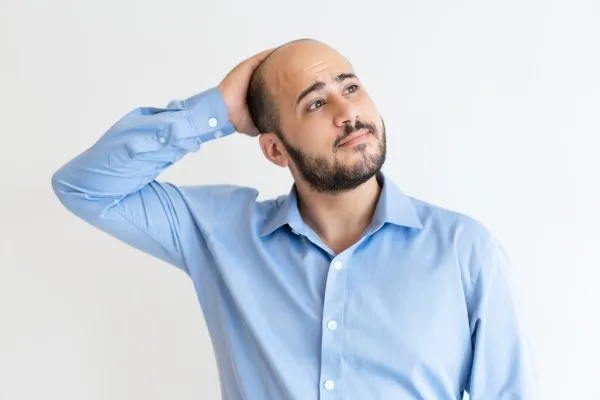
Not suitable for a hair transplant is a phrase that applies to certain individuals who may not be ideal candidates for this type of surgery. Hair restoration surgery, also referred to as hair transplant surgery, is a medical procedure where a surgeon extracts hair follicles from one part of the body, typically the back and sides of the scalp. These follicles are then transplanted to areas experiencing hair loss, with the goal of restoring the natural hairline, improving density, and increasing overall hair thickness.
Hair transplant surgery is constantly evolving, with modern methods offering improved outcomes and minimal scarring. Among the most common options are Follicular Unit Extraction (FUE) and Follicular Unit Transplantation (FUT), each suited for different needs. Understanding the differences is key when exploring how does a hair transplant work.
This procedure is especially popular as a hair transplant for men, particularly for treating Male Pattern Hair Loss, a condition largely caused by genetic predisposition and the hormone Dihydrotestosterone (DHT). DHT gradually shrinks hair follicles, ultimately leading to thinning and baldness. However, the hair at the back and sides of the scalp typically resists DHT’s effects, making it ideal for donor hair. This distinction explains why some individuals are not suitable for a hair transplant, especially if their donor area is insufficient or weakened.
Hair restoration is a delicate process that demands precision and expertise, often taking several hours under local anaesthesia. While the results are long-lasting and can greatly boost confidence, patients should consider various factors before committing to the procedure. For instance, hair transplant fees vary depending on the clinic, surgeon’s experience, and number of grafts required, which can significantly influence decision-making. Before undergoing treatment, it’s wise to research hair transplant before and after case studies to set realistic expectations and understand potential results.
Types of hair restoration: Why am I not suitable for a hair transplant?
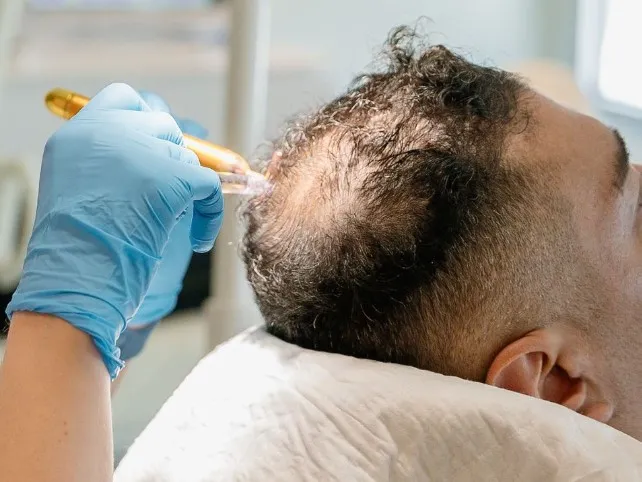
Hair transplants have become a popular solution for those experiencing hair loss, offering a permanent and natural-looking outcome. However, not everyone is a suitable candidate. Individuals with advanced hair loss, autoimmune disorders, or insufficient donor hair may be not suitable for a hair transplant. It’s vital to undergo a medical assessment to determine eligibility and understand the risks and limitations involved.
Understanding how does a hair transplant work is essential before choosing the right technique. Each method varies in how follicles are harvested and implanted, and the best option depends on individual needs, hair type, and scalp condition. Below, we explore the most common types of hair transplants available today.
1- Follicular Unit Transplantation (FUT)
FUT, commonly referred to as the strip method, involves surgically removing a narrow strip of scalp from the back of the head. This strip is then dissected under a microscope into individual follicular units, which are implanted into balding areas. It’s a suitable option for patients requiring a high number of grafts and can provide excellent coverage for larger areas.
While FUT can produce natural results, it does leave a linear scar at the donor site. Recovery time is slightly longer compared to other methods, and it may not be ideal for those who prefer short hairstyles. However, the ability to harvest thousands of grafts in one session makes it a reliable option for many.
2- Follicular Unit Extraction (FUE)
FUE is a minimally invasive method where individual hair follicles are extracted directly from the scalp using a micro-punch device. These grafts are then carefully implanted into thinning or bald areas. It leaves no linear scar, only small, dot-like marks that are nearly invisible after healing.
FUE is a preferred choice for patients seeking less downtime and minimal scarring. It’s especially popular among younger individuals or those who wish to keep their hair very short. However, it may require multiple sessions to achieve the desired density, especially in cases of advanced hair loss.
3- Direct Hair Implantation (DHI)
DHI is an advanced version of FUE where extracted follicles are implanted directly using a specialised tool called a Choi implanter pen. This method allows for precise control over the angle, depth, and direction of each hair, resulting in a very natural appearance.
Because it minimises the time follicles spend outside the body, DHI can enhance graft survival rates. It’s also known for producing dense, aesthetically pleasing results. However, it tends to be more expensive and may take longer to perform, as it requires specialised training and equipment.
4- Robotic Hair Transplant
Robotic hair transplants use advanced computer-guided systems to assist with follicle harvesting. The robot selects and extracts grafts with high precision, reducing the risk of human error and ensuring consistent results. This method is often used in conjunction with FUE techniques.
Patients benefit from the speed and accuracy of robotic assistance, particularly in large sessions. However, this technology may not be suitable for individuals with very curly hair or unique scalp characteristics, and it can be cost-prohibitive for some.
5- Body Hair Transplant (BHT)
BHT is considered when traditional donor areas on the scalp are insufficient. In this procedure, hair is harvested from other body parts such as the chest, back, or beard. These grafts are then transplanted into the scalp to restore density.
This method expands donor options for patients with extensive hair loss. However, body hair differs in texture and growth cycles compared to scalp hair, which may impact the overall aesthetic outcome. It’s usually recommended only for specific cases and requires careful planning by an experienced surgeon.
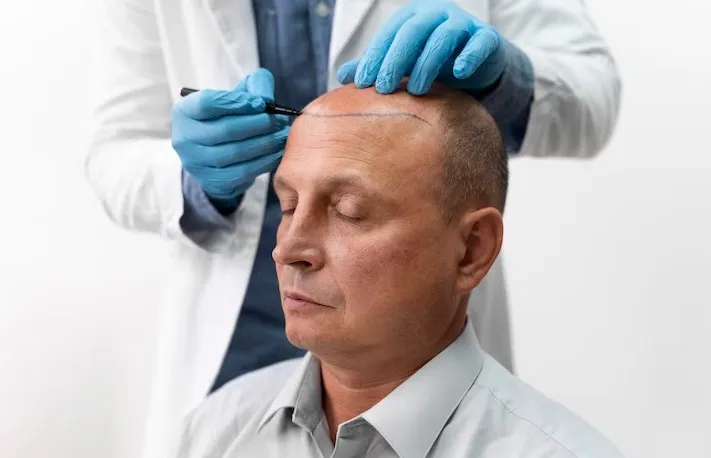
If you’re unsure whether you’re a good candidate or not suitable for a hair transplant, consulting a qualified hair restoration specialist is essential. They can assess your scalp, medical history, and hair loss pattern to determine the safest and most effective approach.
Who is not suitable for a hair transplant?
Hair restoration is a complex medical procedure and not a one-size-fits-all solution. Before undergoing treatment, a thorough consultation with a qualified professional is necessary to evaluate whether you’re a suitable candidate. Several health, genetic, and lifestyle-related factors may lead a doctor to advise against this option. During the evaluation, factors like the extent of hair loss, donor area quality, and expectations are considered alongside hair transplant fees.
1- Extensive hair loss
One of the most common reasons a person may be not suitable for a hair transplant is extensive hair loss or alopecia. This refers to severe shedding or balding that affects large portions of the scalp or body. In cases where there’s insufficient donor hair, the option of hair transplant becomes less viable. This type of hair loss affects both men and women and may result from genetics, hormonal changes, medications, or chronic health conditions.
The symptoms can differ based on the cause. In some cases, hair loss is gradual and may not be immediately noticeable. In others, it can be abrupt and highly distressing. Common indicators include patchy bald spots, rapid thinning, and excessive hair on pillows or combs. These patterns often require specific medical investigation to understand their root causes before considering surgery.
Treatment plans for extensive hair loss are varied and must be tailored to each individual. For example, androgenetic alopecia might respond well to medications like finasteride or minoxidil. On the other hand, conditions like alopecia areata often need steroid injections or immunotherapy. In certain instances, even when surgery is not an option, alternative therapies such as laser treatments or platelet-rich plasma therapy may be explored.
Apart from clinical interventions, lifestyle adjustments can also play a role in managing hair loss. Eating a diet rich in vitamins and minerals, avoiding stress, and limiting exposure to harsh chemical treatments or tight hairstyles can support scalp health. However, despite all efforts, some individuals are not suitable for a hair transplant due to permanent follicle loss or scalp conditions.
2- Diffuse hair loss
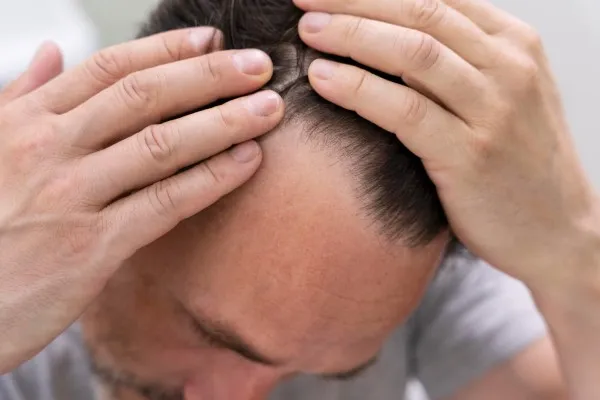
Not suitable for a hair transplant is a key consideration when dealing with diffuse hair loss, a condition where thinning occurs evenly across the scalp. This contrasts with other forms of hair loss that follow a distinct pattern or affect specific areas. Diffuse thinning can result from various factors, including hormonal imbalances, high levels of stress, nutritional deficiencies, certain medications, or underlying health conditions.
Although many consider a hair transplant as an effective solution to baldness, it is not suitable for a hair transplant when hair loss is diffuse. This is because the procedure depends on a sufficient supply of healthy donor follicles, usually from the back or sides of the scalp. In diffuse cases, the donor area may also be affected, making it difficult to harvest viable follicles for transplantation. Without healthy donor hair, the results can be unsatisfactory, leaving patients disappointed.
The challenge grows when hair loss spreads across the scalp. Often, no clearly defined balding area exists, which complicates surgery and lowers chances of a natural outcome. Even skilled surgeons may struggle to deliver the desired density and coverage. This is particularly relevant in the context of hair transplant for men, where expectations are often shaped by success stories of those with localised hair loss.
In such situations, alternative options may offer better results and more satisfaction. Scalp micropigmentation is a non-surgical treatment that creates the illusion of hair density by applying pigment to the scalp. Hair systems, commonly referred to as wigs or hairpieces, are another excellent choice. These can be customised for a natural appearance and allow for flexibility in style and maintenance.
3- Densed thinning hair
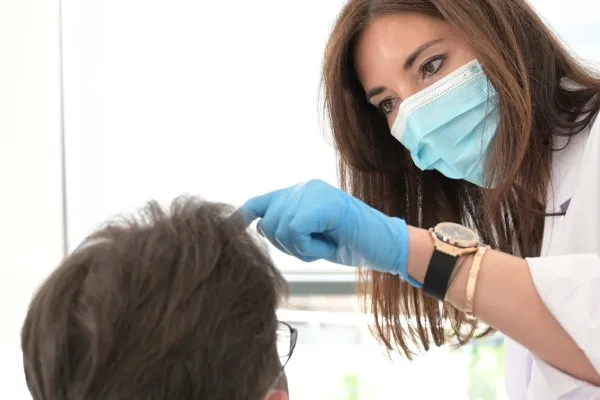
Patients with dense hair may often be not suitable for a hair transplant due to the unique challenges this presents. The procedure requires a sufficient amount of donor hair for transplantation to achieve successful results. Dense hair can make it difficult to harvest enough donor follicles without causing visible scarring or over-harvesting. This can lead to noticeable thinning in the donor area, which may be more concerning than the original hair loss. Moreover, the risk of damaging the donor site increases significantly with dense hair, affecting overall outcome quality.
In addition to the limited supply of donor follicles, dense hair complicates the creation of a natural-looking result. The density of transplanted hair must closely match the surrounding natural hair to ensure a seamless finish. Transplanting too many follicles in a patient with dense hair can produce an unnatural appearance, where the hair looks excessively thick or overly dense, disrupting aesthetic harmony. This issue often impacts patient satisfaction despite the technical success of the surgery.
4- Alopecia Areata
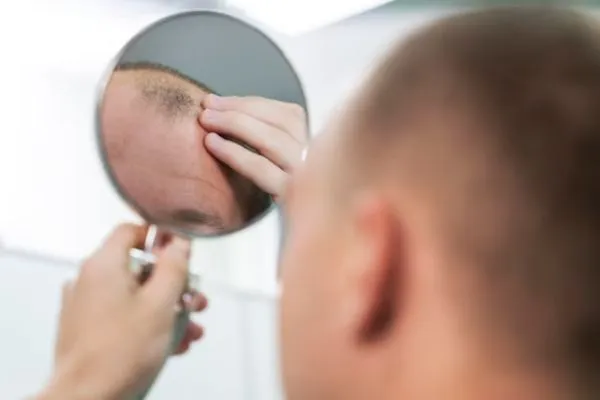
Hair loss caused by alopecia areata is typically patchy and unpredictable, which makes it especially challenging to identify suitable areas for transplantation. The transplanted hair may not follow the natural growth pattern, leading to a visibly unnatural look. Furthermore, undergoing hair transplant surgery can trigger an autoimmune response, potentially exacerbating hair loss rather than improving it. This risk is critical when considering candidates for surgery.
Hair transplant success depends on a plentiful supply of healthy hair follicles in the donor area. Patients with alopecia areata often experience widespread thinning, with the remaining hair being weak and fragile. This fragility means the hair may not endure the trauma of transplantation well. Surgery may worsen the existing condition, accelerating hair loss progression and making the procedure not suitable for a hair transplant in many cases.
When exploring options, it is helpful to review hair transplant before and after photos to understand realistic expectations and outcomes. These images often reveal that patients with dense thinning hair or alopecia areata may not achieve the desired natural effect. Ultimately, recognising who is not suitable for a hair transplant is essential for achieving safe, effective, and satisfying results.
Conclusion
Not suitable for a hair transplant is a determination that must be made carefully, ideally by a qualified medical professional. While hair transplant surgery can deliver life-changing results, it is not appropriate for everyone. Factors such as insufficient donor hair, underlying medical conditions, or diffuse thinning can significantly affect suitability. Understanding these limitations from the outset is essential to avoid disappointment and ensure your expectations are realistic.
Equally important is the role of a thorough consultation. During this process, a hair restoration expert will assess your scalp, hair loss pattern, and overall health to decide whether surgery is advisable. In many cases, individuals who are not candidates for a transplant may still benefit from non-surgical treatments such as PRP therapy, scalp micropigmentation, or medical management of hair loss. Exploring all available options is key to making the right decision.
For some, it may be disheartening to learn they are not eligible for a transplant, but this knowledge opens the door to safer and potentially more effective alternatives. The latest advancements in hair restoration offer tailored solutions that suit different hair types, conditions, and budgets. By working with an experienced clinic, patients can still achieve excellent aesthetic results, even if surgery is not an option.
If you believe you might be not suitable for a hair transplant, or if you’re simply looking to explore your options, we encourage you to visit capilclinic.uk. There, you’ll find expert guidance, comprehensive information, and access to world-renowned specialists ready to help you take the next step in your hair restoration journey.
At Capilclinic, we’re trusted by thousands of patients in the UK and Europe as a leading Hair Transplant Clinic in Turkey and Spain, known for our expert doctors, advanced facilities, natural hairline results, and affordable all-inclusive packages. Reach out to our team today to start your transformation.