



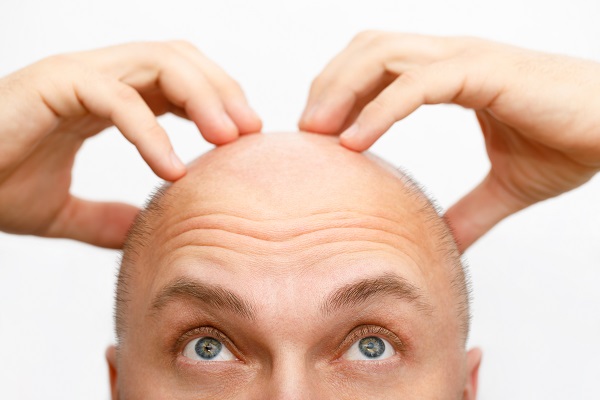
Since its advent in the mid-1900s, hair transplants have undergone several improvements and are currently considered by many to be the most effective and efficient treatment for permanent hair loss conditions. This is true. However, not everyone is willing to undergo the stress and pain of the procedure, and that’s why there are many alternatives to hair transplant.
Also, there is a problem with cost. Hair transplants can be expensive and should be considered a last resort when all other options have failed. In this article, we’ll introduce you to some of the most effective non-surgical alternatives to hair transplant.
Non-Surgical Alternatives to Hair Transplant
Numerous over-the-counter (OTC) drugs claim to reverse permanent hair loss. However, many of these drugs have not been certified, and their potential side effects can be significant. It’s important to be cautious when considering such products. Currently, only two drugs have been certified by the FDA for hair restoration, and we strongly advise sticking to these options. Let’s delve into what these drugs are and how they work.
1. Finasteride

Finasteride is a prescription drug that interferes with dihydrotestosterone (DHT) production to counter hair loss. It targets and inhibits the activities of the enzyme responsible for DHT production, reducing its amount in the body and scalp.
A study of 3177 Japanese males found that 87.1% experienced an overall effect on hair growth with Finasteride 1 mg/day, deeming it safe for long-term use. The best candidates for Finasteride are young males who want to maintain their hair and are committed to long-term usage. It’s most effective in the early stages of hair loss, but sustained results require ongoing use.
2. Minoxidil
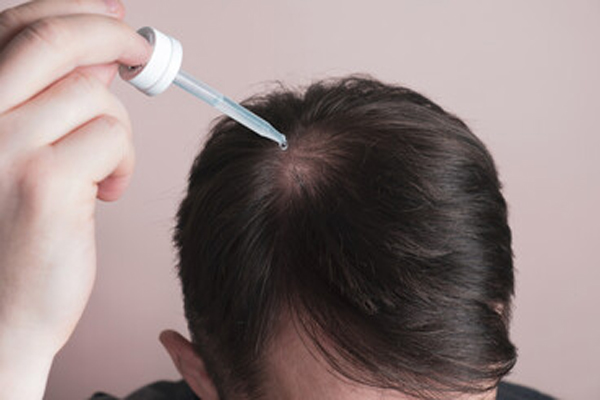
Minoxidil, sold under the brand name Rogaine, is a topical solution that increases blood flow to hair follicles by enlarging the blood capillaries in the scalp. This action lengthens the anagen, or growth, phase of the hair development cycle. However, research shows that minoxidil does little to slow down or halt hair thinning. Instead, it stimulates the production of new, healthy hair by causing the telogen phase (the resting stage of hair growth) to be replaced by anagen (the growth stage).
During the first few months of using minoxidil, an increase in hair loss may occur. However, this is nothing to worry about as new anagen hairs will eventually replace the telogen hairs, making the hair appear thicker and denser. It’s important to note that minoxidil has no effect on DHT levels and, as a result, will not protect hair from the effects of DHT. Nevertheless, for many men, it can stimulate hair growth and improve the appearance of thinning hair on the scalp.
Using Low-level Light Therapy (LLLT)
Low-level light therapy (LLLT) has various names, including soft-laser biostimulation, Low-Power Laser Therapy, and Photo-biomodulation. It can stimulate cell regeneration in injured tissue using lights in the red and infrared range. LLLT uses a low-intensity one (LEDs) instead of high-intensity lasers or laser-emitting diodes. It directs lights of varying wavelengths and outputs at a specific body location, such as the scalp. There, the body tissues absorb the light and cause a physiological reaction.
Medical practitioners across a wide range of specialties are using LLLT, with most use in wound healing and general tissue restoration. The LLLT device uses lasers to stimulate hair growth in men and women to combat hair loss. The lasers in LLLT are assumed to function by stimulating increased cell activity and encouraging hair development in persons with androgenetic alopecia.
While it is not guaranteed that it will work for everyone, several experts have proposed LLLT as a treatment for hair loss. In a randomized, double-blind study, 110 men with androgenic alopecia were randomly assigned to receive a Sham device or the HairMax LaserComb. Unlike the LaserComb, the sham gadget used a non-active incandescent light instead of a laser light.
After the 26-week experiment, those who had used the HairMax LaserComb had an increased average terminal hair density compared to those who had used a Sham device. The HairMax LaserComb also had a considerable impact on overall hair growth, with no severe side effects.
Platelet-Rich Plasma (PRP) Therapy
In PRP (platelet-rich plasma) therapy, doctors draw a small amount of the patient’s blood. They process it using a centrifuge to concentrate the platelets. Afterward, they carefully inject the platelet-rich plasma into specific areas of the scalp.
The growth factors in PRP are believed to stimulate hair follicles, which promotes new hair growth. As a result, this minimally invasive procedure has gained significant attention and popularity among individuals seeking to rejuvenate thinning hair.
Scalp Micropigmentation (SMP)
In Scalp Micropigmentation (SMP), technicians meticulously apply tiny pigment deposits to the scalp to simulate the natural appearance of hair follicles. This advanced technique replicates follicles with precision, creating the illusion of a fuller head of hair or a closely cropped scalp.
SMP offers a non-invasive solution for those looking to enhance their appearance without actual hair regrowth. Carefully mimicking natural follicles helps individuals achieve a realistic hairline, boosting both confidence and self-esteem. Technicians personalize the procedure to match the individual’s hair color, skin tone, and desired hairline, ensuring natural-looking results.
Stem Cell Therapy for Hair Restoration
Stem cell therapy for hair regeneration is still in the experimental stages, but it holds great promise as a potential solution for hair loss. This innovative treatment aims to regenerate hair follicles using the body’s own cells. The process involves extracting stem cells from the patient, processing them, and then injecting them into the scalp to potentially stimulate new hair growth.
While the preliminary results are promising, this method is not yet widely available. It requires further research and clinical trials to establish its safety and efficacy. Despite its potential, stem cell therapy for hair loss remains a topic of ongoing exploration and development in the field of regenerative medicine.
Botanical and Natural Remedies, Shampoos and Serums
Herbal remedies like saw palmetto, aloe vera, and rosemary oil are gaining popularity for hair loss treatment. These botanicals are thought to have DHT-blocking or scalp-stimulating properties. While results vary, many people use these remedies as part of a natural approach to combating hair thinning.
Over-the-counter shampoos and serums containing ingredients like biotin, keratin, and caffeine aim to strengthen hair and reduce breakage. These products are often paired with other treatments to help promote healthy hair. While they don’t regrow hair, they can improve the appearance of thinning hair over time.
Other non-invasive alternatives to Hair Transplant
When considering non-invasive alternatives, it’s important to explore options beyond traditional medical procedures. There are many alternatives to hair transplants that you can access without overspending and even with ingredients and products that you have at home, in addition to a healthy diet.
Nutritional Supplements for Hair Health
Vitamins and minerals like biotin, zinc, and vitamin D are essential for hair health. Nutritional supplements specifically formulated for hair growth can help address deficiencies that contribute to hair loss. However, these work best as part of a broader approach to hair care, especially for those with diet-related hair thinning.
Lifestyle Changes and Diet
Stress, poor diet, and lack of sleep can contribute to hair loss. Adopting a healthier lifestyle, including regular exercise, a balanced diet rich in protein and vitamins, and stress management techniques, can prevent further hair thinning. Simple changes can improve the overall health of the hair and scalp.
Hairpieces and Wigs
For a quick, non-invasive solution, wigs and hairpieces offer instant results. Manufacturers make modern wigs from synthetic or natural hair and customize them for a realistic look. This option is ideal for individuals experiencing significant hair loss and seeking immediate coverage without medical intervention.
Hair Thickening Fibers
You apply hair-thickening fibers made from keratin to the scalp, allowing them to cling to existing hair and create a fuller appearance. These fibers are easy to use and can instantly conceal thinning areas. They are a temporary solution and work best for those with moderate hair thinning rather than complete baldness.
Mesotherapy for Hair Loss
Mesotherapy involves injecting a cocktail of vitamins, minerals, and medications directly into the scalp. These nutrients nourish hair follicles and promote growth. It is a minimally invasive treatment and works well in conjunction with other hair loss solutions to slow thinning and encourage regrowth.
Faq’s
Can non-surgical treatments completely restore lost hair?
Non-surgical treatments such as minoxidil, finasteride, and low-level laser therapy can improve hair thickness and slow further loss. Still, complete restoration depends on the severity of hair thinning and the underlying cause. Results are often more effective for individuals in the early stages of hair loss. Additionally, lifestyle changes, such as maintaining a balanced diet, managing stress, and avoiding damaging hair practices, can also contribute to overall hair health and thickness.
How often do I need to undergo non-surgical treatments?
The frequency of treatment depends on the specific method and individual response. Some treatments may require daily use, while others might need monthly sessions. Regular maintenance is usually necessary to sustain results. Consistency in following the recommended treatment schedule is crucial for achieving and maintaining the desired outcomes.
Are non-surgical treatments safe for long-term use?
Most non-surgical options are safe for extended use, especially under medical supervision. However, it’s important to monitor for any side effects and consult with a healthcare provider regularly. It’s essential to adhere to the recommended usage guidelines and seek professional advice if you experience any unusual symptoms or discomfort. Additionally, staying informed about any potential interactions with other medications or treatments is crucial for ensuring your overall well-being and safety. Regular check-ups and open communication with your healthcare provider can help ensure that you are receiving the most appropriate care for your individual needs.