



Numerous products flooding the internet market claim to be the definitive remedy for combating hair loss. A considerable portion of these products touts formulations that incorporate many chemical components, the specifics of which are often shrouded in mystery, remaining undisclosed to the general public. In this post, we will talk about Natural solutions for hair loss.
As the incidence of heightened hair follicle loss continues to rise above the average, many individuals are earnestly seeking information on natural alternatives to address this pervasive problem. Despite being relatively unknown to the majority, nature provides a range of solutions to mitigate the challenges associated with hair loss, stemming from factors such as stress, seasonal transitions, or conditions like alopecia. Let’s explore these natural alternatives in more detail.
Natural Alternatives to Stop Hair Loss
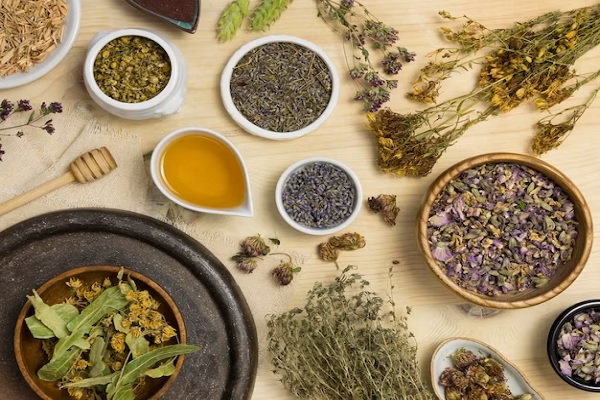
Healing Herbs
- Horsetail: Rich in minerals such as silicium, horsetail plays a crucial role in strengthening hair follicles. To promote healthier hair, consider adding a spoonful of horsetail to a glass of water every 12 hours. Also, take a 500-milligram pill twice daily or opt for a 1000-milligram pill once daily.
- Sabal: Widely recognized for combating alopecia, sabal is a popular choice among those diagnosed with androgenetic alopecia due to its positive impact on blood circulation. Patients with alopecia typically receive a 300-milligram dose of sabal fruit extract twice a day or a 600-milligram dose once daily.
- Ginkgo Biloba: The leaves of this plant are known to enhance scalp blood circulation. For optimal results, a recommended dosage includes taking 60 milligrams of leaves twice a day or opting for a 140-milligram dose of its extract twice daily. If a patient is undergoing anticoagulant treatment, exploring alternative options is advisable.
- Alfalfa sprouts: Alfalfa sprouts stand out for their exceptional nutritional density, making them a top choice for promoting hair health. Many skin experts suggest incorporating them into your diet in the fall, as this season is known for a natural uptick in hair loss. Consuming 3-to-6 grams daily provides ample nutrition to support robust follicle growth.
Supplements
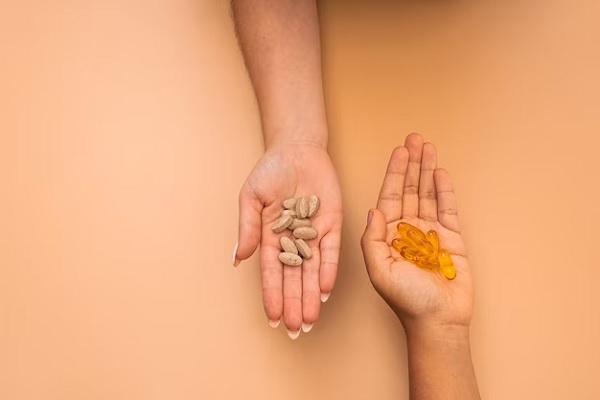
Venturing beyond the realm of natural remedies, a diverse array of alternatives exists to enrich our daily dietary practices. That provides comprehensive support for hair strength and combating hair loss.
- Hyaluronic acid: Hyaluronic acid emerges as a noteworthy contender. It has the capacity to augment hair hydration and enhance the elasticity of brittle strands. The recommended regimen involves the daily consumption of either two 40-milligram pills or a singular 120-milligram dose administered once each day. This regimen stands as a reliable strategy to fortify hair health.
- B-Group Vitamins: The spectrum widens as we delve into the significance of B-Group Vitamins. This group encompasses B2, B5, B6, folic acid (B9), biotin, and pantothenic acid (B5). These vitamins are pivotal in nurturing the essential growth nutrients required for robust hair follicles. When hair loss is a consequence of stress or seasonal transitions, the advised daily intake comprises a 50-milligram complex of B vitamins, offering a holistic approach to addressing the underlying causes.
- Chlorella: Further expanding our repertoire of beneficial additions, Chlorella, a nutrient-dense seaweed, takes the stage. Combined with amino acids, minerals, vitamins, and phytochemicals, chlorella becomes a valuable ally in promoting the growth of hair follicles. A meticulous daily routine of 2 to 3 grams, ingested before meals, manifests as an effective strategy to diminish the occurrence of hair loss tangibly. This nuanced approach underscores the multifaceted nature of dietary interventions in nurturing and sustaining optimal hair health.
Natural Solutions
- Saw Palmetto: Saw palmetto, a plant renowned for its potential to inhibit the production of dihydrotestosterone (DHT), a hormone associated with hair loss, presents versatile incorporation options. Whether opting for saw palmetto supplements or applying it topically to the scalp, these methods offer avenues to harness its benefits.
- Pumpkin Seed Oil: Abundant in fatty acids crucial for promoting hair growth, pumpkin seed oil emerges as a noteworthy addition to the arsenal against hair loss. Applying pumpkin seed oil supplements or its direct use on the scalp provides a dual approach to leveraging its rich nutrient profile for optimal hair health.
- Zinc: Zinc, a vital mineral in hair growth, manifests in various dietary sources such as oysters, beef, and beans. Understanding the significance of zinc and its role in maintaining healthy hair underscores the importance of including these foods in one’s diet.
- Iron: Another essential nutrient for robust hair growth, iron is obtainable from a spectrum of food sources, including meat, poultry, beans, and leafy green vegetables. Recognizing the diverse origins of iron-rich foods allows for a well-rounded approach to meeting the body’s requirements for supporting hair vitality.
- Green Tea: Green tea, hailed for its antioxidant richness, emerges as a protective shield for hair follicles. The dual utility of green tea, whether consumed as a beverage or applied as a scalp rinse, underscores its potential to fortify hair health by safeguarding against damage at the follicular level.
- Biotin: Biotin is a crucial B vitamin integral to hair growth. Finds its way into the diet through foods like eggs, nuts, and avocados. Acknowledging the role of biotin in the broader context of nutritional support for hair. Incorporating these biotin-rich foods becomes a proactive measure in promoting overall hair vitality.
Benefits of Natural Solutions For Hair Growth
Embracing natural solutions for hair growth comes with a myriad of benefits. Offering a holistic and sustainable approach to nurturing healthy and vibrant hair.
Gentle on the Scalp
Natural solutions, often derived from plant-based ingredients, are generally gentler on the scalp compared to synthetic alternatives. This gentleness reduces the risk of irritation, making them suitable for individuals with sensitive skin.
Minimizes Side Effects
Unlike some chemical-based products that may cause adverse reactions, natural solutions tend to have fewer side effects. This makes them a safer option for long-term use. Promoting consistent care for your hair without the worry of unexpected reactions.
Nutrient-Rich Formulations
Many natural solutions for hair growth are packed with essential nutrients. Ingredients such as vitamins, minerals, and antioxidants contribute to overall hair health. Providing the necessary nourishment for stronger and more resilient hair.
Addresses Underlying Causes
Natural solutions often target the root causes of hair issues. For example, some herbs and botanicals are known to balance hormone levels. Combatting factors like DHT production that contribute to hair loss. This approach goes beyond superficial treatment, addressing the problem at its source.
Sustainable Hair Growth
Natural solutions promote sustainable hair growth by fostering a healthy environment for hair follicles. This involves improving blood circulation, balancing oil production, and creating conditions conducive to the natural growth cycle of hair.
Versatility in Application
Many natural remedies offer versatile application methods. Whether through supplements, oils, or topical treatments. Individuals have the flexibility to choose the approach that aligns with their preferences and lifestyle.
Cost-Effective
Natural solutions are often more cost-effective than specialized treatments or procedures. This accessibility allows a broader range of individuals to incorporate these solutions into their hair care routines without breaking the bank.
Long-Term Results
Consistent use of natural solutions can lead to long-term improvements in hair health. While results may take time to manifest. The gradual and sustainable nature of these solutions often results in healthier and more resilient hair over the long run.
Causes of Hair Loss
Hair loss can be attributed to various factors, and understanding the underlying causes is crucial for effective prevention and management. Here are some common reasons for hair loss:
Genetics (Hereditary Hair Loss)
One of the primary causes of hair loss is genetic predisposition. If there’s a family history of baldness or thinning hair, there’s an increased likelihood of experiencing similar patterns of hair loss.
Hormonal Changes
Hormonal fluctuations, such as those during pregnancy, childbirth, menopause, and thyroid disorders, can contribute to hair loss. An imbalance in hormones, particularly dihydrotestosterone (DHT), can affect the growth cycle of hair.
Medical Conditions and Illnesses
Certain medical conditions, including autoimmune diseases, alopecia areata, and fungal infections of the scalp, can lead to hair loss. Chronic illnesses and the associated medications may also have this side effect.
Nutritional Deficiencies
Inadequate intake of essential nutrients, such as iron, zinc, vitamins (especially B vitamins), and proteins, can impact the health of hair follicles and contribute to hair loss.
Physical and Emotional Stress
Significant physical trauma, surgery, or emotional stress can induce a condition known as telogen effluvium, where a large number of hair follicles enter the resting phase simultaneously, leading to noticeable hair shedding.
Poor Hair Care Practices
Excessive use of harsh styling products, frequent heat styling, tight hairstyles (like braids or ponytails), and aggressive brushing can damage the hair shaft and contribute to hair loss.
Age
Aging is a natural factor that can lead to a decrease in the production of hair growth factors and a slowing down of the hair growth cycle, resulting in thinning and hair loss.
Environmental Factors
Exposure to environmental pollutants, harsh water, and ultraviolet (UV) radiation can adversely affect the condition of the scalp and hair, contributing to hair loss.
Certain Medications
Certain medications have been associated with the potential side effects of hair loss. Some clear examples includes those prescribed for conditions like cancer, arthritis, depression, heart problems, gout, and high blood pressure.
Poor Blood Circulation
Insufficient blood flow to the scalp can restrict the delivery of essential nutrients, such as oxygen and key vitamins, to the hair follicles. This limitation can compromise the overall health of the follicles, potentially leading to gradual hair thinning or loss.
Understanding the specific cause of hair loss is crucial for determining the most effective treatment or management strategy.