



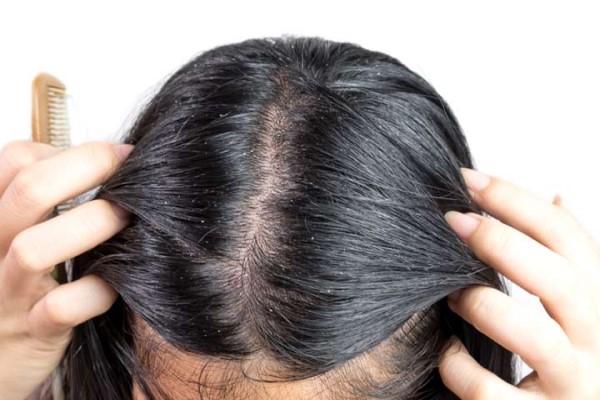
Seborrheic dermatitis, also known as dandruff, is a common skin condition that affects people of all ages. It is characterized by inflammation and flaking of oily areas of the skin, such as the scalp, face, and chest. Although it is not a serious disease, it can cause significant discomfort and affect the self-esteem of those who suffer from it. But don’t worry, there are a variety of natural remedies for seborrheic dermatitis.
The exact cause of seborrheic dermatitis is not fully understood, but factors such as sebum overproduction, the presence of the Malassezia fungus, and the immune response are thought to play an important role. Symptoms include itching, redness, and visible scales on the skin.
In this article, we will explore a variety of seborrheic dermatitis treatment with natural remedies that can help relieve the symptoms of seborrheic dermatitis. From essential oils to common pantry ingredients, we’ll discover options that can provide relief without resorting to harsh chemicals. Always remember to consult with a healthcare professional before trying any treatment, especially if symptoms persist or worsen.
Factors contributing to the development of seborrheic dermatitis
Malassezia yeast: The presence of a specific type of yeast called Malassezia on the skin is believed to play a role in seborrheic dermatitis. This yeast is normally found on the skin’s surface but can multiply excessively in individuals with this condition, leading to inflammation and skin irritation.
Overactive oil glands: Excessive oil production from the sebaceous glands can contribute to the development of seborrheic dermatitis. The increased oiliness provides a favorable environment for the growth of the Malassezia yeast, exacerbating the condition.
Hormonal factors: Hormonal changes, such as those occurring during puberty, pregnancy, or with certain medical conditions, can influence the development of seborrheic dermatitis. Hormones may affect oil gland activity, leading to an increased risk of developing the condition.
Genetic predisposition: There appears to be a genetic component to seborrheic dermatitis, as it tends to run in families. Certain genetic variations may make individuals more susceptible to the condition.
Other factors: Certain environmental and lifestyle factors can trigger or worsen seborrheic dermatitis. These include stress, cold and dry weather conditions, use of harsh or irritating skincare products, and certain medical conditions like HIV/AIDS, Parkinson’s disease, and certain neurological disorders.
Contrary to popular belief, seborrheic dermatitis is not contagious. Instead, it arises from allergies or autoimmune reactions within the body. It is important to note that this condition is chronic, meaning that while treatment can help manage its symptoms, it cannot completely cure it.
In order to alleviate the symptoms of seborrheic dermatitis, multiple rounds of treatment may be necessary. While conventional treatments can be effective, they often contain potent chemicals. To reduce exposure to these strong substances and minimize side effects, home remedies can be used in conjunction with medical treatments, offering a faster relief.
Symptoms
Seborrheic dermatitis manifests itself in different ways on the skin and can vary in intensity depending on the person. Below, we will describe the most common symptoms:
- Intense itching: Itching is one of the most annoying symptoms of seborrheic dermatitis. Affected areas, such as the scalp, forehead, eyebrows, behind the ears, and the center of the chest, can become extremely itchy. Scratching can worsen inflammation and cause skin lesions.
- Flaking and Flaking: The skin affected by seborrheic dermatitis tends to flake. On the scalp, this manifests as oily, yellowish dandruff. In other areas, such as the face, the scales may be thinner and less obvious, but they can still cause discomfort.
- Redness: The affected areas usually present redness. This can be especially noticeable on the scalp and around the nose. The redness varies from a slightly pink tone to an intense red tone.
- Oily or Oily Skin: Seborrheic dermatitis is related to the overproduction of sebum. Therefore, the affected areas may feel greasy to the touch. On the scalp, this can also result in oily and sticky hair.
- Appearance of Yellowish Scabs: In babies, seborrheic dermatitis is known as “cradle cap”. It involves the formation of yellowish and oily crusts all over the scalp. These scabs can come off and leave red areas underneath.
- Eyebrow and Eyelid Affectation: In some cases, seborrheic dermatitis can spread to the eyebrows and eyelashes, causing flaking and redness in these areas.
It’s important to remember that symptoms can vary depending on the person and the severity of the condition. Although in some people they occur as occasional outbreaks, in a percentage of those affected they have persistent symptoms. It is always advisable to consult a dermatologist to get an accurate diagnosis and receive guidance on the appropriate treatment.
Exploring Natural and Alternative Supplements
Since seborrheic dermatitis can stem from various factors depending on individual skin types and sensitivities, there is no one-size-fits-all alternative treatment. Consulting a dermatologist is crucial to identify a suitable approach.
Natural Treatment
While conventional treatments often involve medicated shampoos and topical medications, many individuals seek alternative, natural approaches to manage their symptoms. Natural remedies offer a gentle and potentially effective way to address seborrheic dermatitis without the potential side effects of conventional medications. By harnessing the power of nature’s ingredients and adopting certain lifestyle changes, individuals can embark on a holistic journey towards soothing and managing this bothersome skin condition. In this guide, we will explore various natural remedies and lifestyle modifications that can aid in the treatment of seborrheic dermatitis, providing relief and promoting healthier skin.
The Potential Benefits of Fish Oil
Supplements of fish oil have shown promise in suppressing flare-ups triggered by allergies and providing additional nutritional advantages. The omega-3 fatty acids present in fish oil can enhance overall immune and cardiovascular health, which can aid in managing seborrheic dermatitis.
Harnessing the Power of Aloe Vera
Aloe vera, a plant renowned for its anti-inflammatory properties, has demonstrated effectiveness in treating seborrheic dermatitis. The use of supplements containing aloe vera gel or extracts can help subdue flare-ups and reduce their severity.
Understanding the Role of Probiotics
Probiotics have been explored as a potential treatment for various forms of dermatitis, particularly in children. However, limited research exists linking probiotics to significant improvements in seborrheic dermatitis. Nevertheless, probiotics can contribute to a healthier digestive system, which may alleviate inflammatory issues throughout the body.
The Potential of Tea Tree Oil
Tea tree oil has been the subject of numerous studies focused on its effectiveness in treating various skin conditions. With its antibacterial, antifungal, and anti-inflammatory properties, tea tree oil is considered an ideal remedy for seborrheic dermatitis. Shampoos, conditioners, and other wash-out products containing tea tree oil may provide relief from itching caused by this condition.
Conventional Treatment for Seborrheic Dermatitis
Stay Hydrated: Drinking sufficient water throughout the day helps keep the skin hydrated. It is advisable to avoid excessive consumption of salty food, alcohol, caffeine, and sugary drinks as they can exacerbate skin dryness. Opt for alternatives like coconut water, green tea, and homemade smoothies or juices to increase fluid intake.
Use Healing Coconut and Essential Oils: Real coconut oil possesses antiviral, antimicrobial, and antifungal properties due to its medium-chain fatty acids. Applying coconut oil to the skin helps combat excess yeast, microbes, and fungus, which contribute to irritation, oiliness, or dryness. For better results, combine coconut oil with essential oils like cedarwood, lemongrass, rosemary, tea tree, and lavender. These essential oils possess similar properties and can reduce inflammation and treat infections. You can create a homemade treatment by combining 8 drops of cedarwood oil, 8 drops of rosemary oil, 6 drops of tea tree oil, 1 teaspoon of local honey, and 4 ounces of coconut oil (or olive/almond oil). Massage the mixture onto the affected area, leave it on for 15-20 minutes, and then gently rinse it off.
Take a Zinc Supplement: Zinc deficiency can contribute to skin irritations. If seborrheic dermatitis is related to low zinc levels, supplementing with zinc can help address the underlying problem. Consulting with a healthcare professional is advised.
Avoid Irritating Beauty Products: Regular use of chemical-laden products can worsen dermatitis symptoms. Itching, picking, and over-cleaning the skin can also aggravate the condition. Opt for natural, organic skincare products whenever possible. Avoid commercial shampoos containing drying or harmful ingredients, such as parabens, sodium laureth sulfate, or sodium lauryl sulfate. Instead, use gentle alternatives like apple cider vinegar, tea tree, witch hazel, shea butter, and aloe vera gel to cleanse, tone, and hydrate the skin.
Conclusion
Seborrheic dermatitis, while not usually a serious condition, can significantly affect our quality of life. Persistent itching, flakes, and redness can be uncomfortable and sometimes embarrassing. Fortunately, nature provides us with alternatives to relieve these symptoms without resorting to harsh chemicals. Here are some final thoughts:
The skin is an incredibly intelligent organ. It sends us constant signals about its status and needs. By experimenting with the natural remedies mentioned in this article, we are tuning into our skin. We observe how they react, what benefits them and what does not. Listening to our skin is an act of self-love and self-care.
The results are not always immediate. Like a plant that grows slowly, our skin also needs time to heal and regenerate. Consistency is key. Applying natural oils, infusions and gels on a regular basis is like watering that plant every day. With patience and perseverance, we will see improvements.
When we use natural remedies, we are connecting with the ancestral wisdom and force of nature. Aloe vera, coconut oil, and chamomile have been used for centuries by different cultures to treat skin conditions. By choosing these remedies, we are honoring that tradition and recognizing that nature provides us with everything we need.
It’s always important to remember that while natural remedies are valuable, they don’t replace guidance from healthcare professionals. If symptoms persist or worsen, we should seek the opinion of a dermatologist. The combination of natural and medical approaches can give us the best result.