



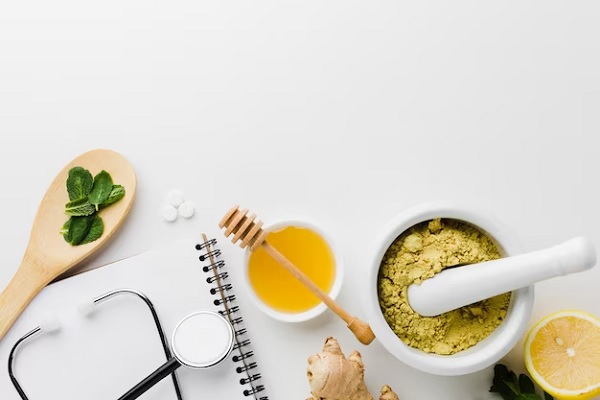
Hair loss impacts both men and women, affecting a significant portion of the population. Genetics, hormonal changes, age, stress, and poor nutrition can cause it. This condition affects physical appearance, self-esteem, and confidence, prompting individuals to seek remedies. In this article, we will discuss Natural Recipes to Combat Hair Loss. We will focus on how natural methods address this concern. While medical hair treatments like minoxidil and hair transplants exist, more people use natural methods to strengthen hair follicles and prevent further loss. Most people prefer natural recipes to combat hair due to minimal side effects and a holistic approach to health.
In this blog post, we will explore popular natural recipes and strategies to fight hair loss. These include essential oil scalp massages and herbal supplements like saw palmetto and ginseng. There are also famous DIY hair masks that use ingredients such as coconut oil, aloe vera, and avocado, as well as dietary recommendations for healthy hair growth. Additionally, we will discuss the role of lifestyle factors like stress management, exercise, and sleep in promoting hair health. It is important to note that while natural remedies can benefit many, consulting a healthcare professional or dermatologist is advisable to determine the cause of hair loss and develop a personalized treatment plan.
Things to consider when using Natural Recipes to Combat Hair Loss
When using natural solutions to tackle hair loss, it’s crucial to approach the process with awareness and understanding. Although we recognize that these solutions can have positive effects, it’s essential to consider several important factors.
Consistency is Key
Natural remedies usually work best when used consistently and regularly. To get the most out of each treatment, it’s important to follow the directions for how often to use it and how to apply it.
Patience is a Virtue
It may take some time for natural remedies to benefit. Unlike some medical interventions, natural therapies may not have rapid results. Being patient and persistent in your efforts is critical, giving the cures enough time to work.
Individual Variability
Natural treatments’ effectiveness varies from person to person. The success of such therapies may depend on a patient’s unique combination of genetic predisposition, health status, and lifestyle choices. What benefits one individual may not always help another?
Consultation with Professionals
When it comes to taking care of your hair, it is crucial to prioritize your health and seek guidance from a medical professional or specialist before making any significant changes. Their expertise will ensure that the advice you receive is tailored to your specific condition and medical history, maximizing the effectiveness of your hair care routine.
Allergies and Sensitivities
One crucial aspect to consider is the potential for allergies and sensitivities. Exposure to specific natural components can trigger some individuals’ allergic responses or skin sensitivities. To minimize the risk of unfavourable reactions, it is highly recommended to consistently perform a patch test before applying any new medications or treatments to your scalp or hair. This simple precautionary measure can significantly reduce the chances of experiencing unwanted side effects.
Balanced Diet
In addition to seeking professional advice, a balanced diet is crucial in promoting natural hair health. A nutritious diet rich in nutrients is essential for maintaining healthy hair growth. Inadequate intake of vital nutrients can worsen hair loss, so you must ensure that you get sufficient nutrients through your diet. Incorporating foods high in vitamins, minerals, and proteins, which are known to support hair health, can contribute to the overall well-being of your hair.
Manage Stress
Furthermore, managing stress is crucial in preventing hair loss. Prolonged or excessive stress has been linked to hair loss in many individuals. Incorporating stress-relieving activities into your daily routine, such as regular exercise, meditation, or relaxation methods, can help mitigate the negative impact of stress on your hair. By actively managing stress levels, you are supporting your overall well-being and promoting a healthy environment for your hair to thrive.
Hygiene Practices
Maintaining proper hygiene practices is another essential aspect of natural hair care. A clean scalp is indicative of a healthy scalp. To derive maximum benefits from your natural remedies and treatments, it is crucial to ensure that you thoroughly wash your hair and scalp. This helps remove any buildup of dirt, oil, or product residues that can clog hair follicles and hinder healthy hair growth. Regular cleansing also promotes a balanced scalp environment, minimizing the risk of scalp conditions contributing to hair loss.
Natural Recipes to Combat Hair Loss
Hair loss can be a distressing issue for many individuals, impacting their self-esteem and overall well-being. Fortunately, nature has provided us with various remedies that can help combat this concern. Let’s explore the potential of aloe vera, green tea, almond oil, rosemary oil, green cabbage, egg whites, nettle, and scalp massage in promoting healthier hair and preventing hair loss.
Aloe Vera
For centuries, aloe vera has been renowned for its therapeutic characteristics and has proven to be a potent asset in combating hair loss. Its remarkable properties make aloe vera a popular natural remedy for promoting hair growth and scalp health. One can carefully sever a plant leaf horizontally and extract its gel-like sap to harness these advantageous properties. Next, delicately apply the extracted sap to the scalp and hair, gently massaging it to ensure even distribution throughout damp hair. Allow the aloe vera sap to remain briefly to maximize its benefits before thoroughly rinsing it out.
Consistently using aloe vera strengthens hair follicles, nourishes the scalp, and promotes healthier hair. It is recommended to repeat this practice at least twice a week for optimal results. Regular application of aloe vera not only combats hair loss but also enhances overall hair and scalp health, making it a valuable addition to any hair care routine.
Green Tea
Green tea is not only a delightful and refreshing beverage but also a rich source of antioxidants. This makes it an excellent natural remedy for strengthening and revitalizing fragile hair. To incorporate green tea into your hair care routine, brew a cup and apply it topically to your scalp before shampooing.
Massaging green tea into your scalp regularly, ideally at least twice a week, has the potential to significantly reduce hair loss and enhance overall hair health. This simple and natural practice can fortify your hair strands and nourish your scalp, promoting stronger and healthier hair over time.
Almond Oil
Almonds are highly nutritious nuts that contain healthy fats, protein, fibre, vitamin E, magnesium, and antioxidants. Almond oil, derived from almonds, is a popular natural treatment for promoting hair health. It is known for its ability to nourish and strengthen hair follicles due to its rich content of essential fatty acids. Therefore, it is a popular ingredient in many hair care products. One of the easiest ways to use almond oil to promote hair health is to apply a small amount directly to the scalp and gently massage it. This allows the oil to penetrate the scalp and hair follicles, providing moisture and nourishment.
Massaging the scalp also helps improve blood circulation, which can stimulate hair growth and contribute to overall scalp health. Regular use of almond oil in this manner can improve the condition of your hair, making it appear shinier and feel softer. Additionally, the moisturizing properties of almond oil can reduce scalp irritation and flakiness, promoting a healthier scalp overall. Incorporating almond oil into your hair care routine can be a simple yet effective way to support the health of your hair and scalp, leaving you with nourished, strong, and lustrous locks.
Rosemary Oil
One key advantage of rosemary oil is its ability to stimulate blood circulation in the scalp. This increased blood flow nourishes the hair follicles and ensures the efficient delivery of oxygen and essential nutrients, which are vital for promoting hair growth and overall hair health. In addition, rosemary oil has antioxidant and anti-inflammatory properties. These beneficial properties can help protect the hair follicles and scalp from oxidative stress and inflammation, common factors in hair loss.
Another notable advantage of rosemary oil is its potential to combat dandruff and soothe an itchy scalp. The oil’s antimicrobial properties can help balance the scalp’s natural flora, reducing dandruff and scalp irritation. Regular rosemary oil can relieve dryness and itchiness, promoting a healthier scalp environment for optimal hair growth.
You can try a few different methods to incorporate rosemary oil into your hair care routine. One option is to dilute a few drops of rosemary oil in a carrier oil, such as coconut or jojoba oil, and massage the mixture into your scalp. Leave it on for at least 30 minutes, ideally overnight, before rinsing it with a gentle shampoo. Alternatively, add a few drops of rosemary oil to your regular shampoo or conditioner. This allows you to reap the benefits of rosemary oil with every wash, promoting overall scalp health and hair vitality.
Green Cabbage
Adding green cabbage to your diet can significantly improve the health of your hair. Green cabbage is packed with vitamins A and C, essential for maintaining healthy and vibrant hair. Creating a homemade hair tonic is one way to incorporate green cabbage into your hair care routine. Start by chopping the green cabbage into small pieces and then soak it in water for around 60 minutes.
After soaking, blend the cabbage with a bit of water to create a creamy consistency. You can apply this cream to your hair and scalp as a natural conditioner. This cabbage tonic can help nourish and revitalize your hair, leaving it looking and feeling healthier.
Egg Whites
Egg whites are a fantastic natural remedy for strengthening hair follicles because they are protein-rich. To prepare this treatment, begin by whipping the egg whites and then gently massaging them into your scalp for approximately five minutes.
After letting the mixture sit for about 30 minutes, wash your hair as usual. This protein-packed treatment works wonders in nourishing and reinforcing your hair. This way, the result is hair that feels more resilient and healthier.
Nettle
Some people have reported success with using nettle leaves to stop hair loss. You can purchase nettle lotion from a health food store and apply it directly to your scalp before bedtime. This may help to strengthen your hair and potentially reduce hair loss over time.
Nettle leaves have properties that can nourish the scalp and promote healthy hair growth. By incorporating nettle lotion into your nightly routine, you may be able to provide your hair with the support it needs to thrive.
Scalp Massage
Massaging the scalp gently circularly for around four minutes daily has the potential to promote hair growth. It also helps improve blood circulation and boost the overall health of the scalp. This practice, when combined with the use of hair oils and masks, can stimulate the scalp and enhance hair thickness. By incorporating scalp massages into your routine, you can increase the delivery of essential nutrients to the hair follicles.
It may result in stronger and healthier hair. Additionally, the increased blood flow to the scalp can help remove DHT, a hormone that can contribute to hair loss. Therefore, making scalp massages a regular part of your hair care routine could lead to thicker, healthier hair over time.
Additional Natural Remedies
In addition to the aforementioned recipes, various other natural therapies can effectively mitigate hair loss.
- Coconut Oil: Known for its ability to penetrate the hair shaft and reduce protein loss, it can be used as a pre-wash or leave-in treatment.
- Viviscal: A natural hair growth supplement containing a marine complex that promotes cell regeneration and strengthens existing cells.
- Fish Oil: Omega fatty acids in fish oil can improve hair density and diameter, reduce hair loss, and promote overall health.
- Ginseng: Ginseng supplements stimulate hair follicles, potentially promoting hair growth.
- Onion Juice: Despite its smell, onion juice has been shown to promote hair growth and treat alopecia areata.
- Rosemary, Geranium, and Lemon Essential Oils: These essential oils can be mixed with carrier oils or added to shampoo and conditioner to stimulate hair growth and maintain a healthy scalp.
Conclusion
Exploring natural therapies can be a comprehensive and frequently successful method for addressing the emotionally challenging issue of hair loss. By integrating these natural formulations into your regular regimen and practising patience and consistency, you can positively impact your hair’s strength and overall health. It is essential to seek guidance from a healthcare practitioner before incorporating novel supplements or substantially modifying your hair care regimen. Consulting a professional can help ensure that the chosen natural therapies are suitable for your individual needs and health status.
Additionally, staying informed about any potential interactions between natural remedies and medications you may be taking is crucial for your overall well-being. It is also worth mentioning that natural therapies should be viewed as a complementary approach. Those therapies are not a substitute for professional medical advice or treatment. Therefore, it is recommended to integrate these natural therapies as part of a holistic approach to hair health, encompassing proper nutrition, stress management, and overall well-being.