



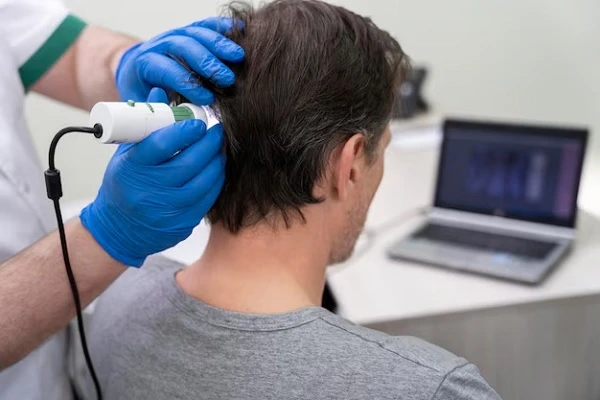
Hair loss is a regular problem that millions of people around the world deal with. It has led to a lot of study and the creation of many new treatments. Nanotechnology is a very interesting field that could totally change how we treat hair loss. In this article we will talk about Nanotechnology against hair loss.
Nanotechnology is all about using particles that are measured in manometers to change matter on a very small scale. When it comes to hair loss, this amazing technology works by sending tiny particles straight to hair cells. The goal is to possibly make hair grow faster and stronger so it looks better again.
Nanotechnology is very interesting when it comes to treating hair loss because it can reach deep into hair follicles. And deliver treatments with the greatest precision and accuracy. This fresh and interesting idea gives us hope for better, less invasive. And longer-lasting options that will completely change how we deal with hair loss.
You may also like: Folliculitis Decalvans, Know Its Consequences
Types of Hair Loss and Their Causes
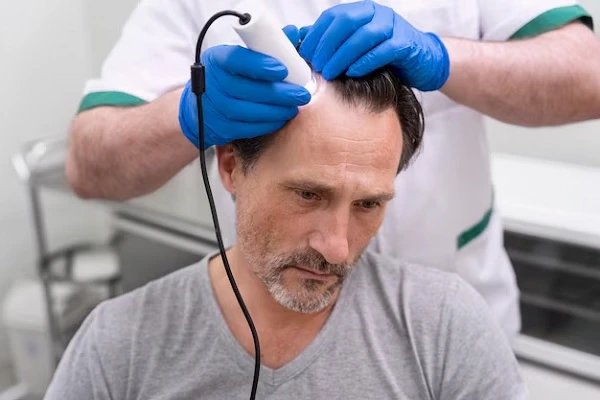
Hair loss can manifest in various manners, with each variety exhibiting distinct etiologies and characteristics. Androgenetic alopecia, referred to as male or female pattern baldness, represents the prevailing kind of hair loss. The etiology of this condition can be attributed to coming together of hereditary factors and disturbances in hormone regulation. Alopecia areata is a dermatological disorder characterized by the abrupt onset of hair loss in localized areas.
The occurrence is attributed to an autoimmune reaction within the organism. In contrast, telogen effluvium is an alternative form of alopecia, which arises due to several circumstances such as stress, sickness, or hormone fluctuations. This particular form of alopecia is transient in nature and typically manifests as excessive hair losing.
There exist several forms of alopecia that can occur due to a multitude of factors. Traction alopecia may manifest as a consequence of excessive hair styling practices, leading to hair loss. Another kind is trichotillomania, a condition characterized by the compulsive act of self-induced hair pulling. These instances demonstrate the existence of numerous variables that can potentially lead to the occurrence of hair loss. The administration of chemotherapy and radiation therapies can result in a transient yet notable alopecia, leading to a substantial impact on an individual’s physical aesthetics and emotional well-being.
Challenges in Existing Treatments and Their Limitations
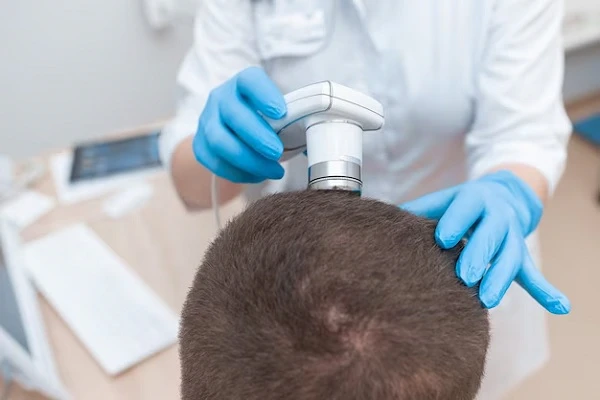
The current hair loss therapies all have their advantages and disadvantages. These options can range from over-the-counter drugs to surgical intervention. However, there are limitations to these therapies that must be taken into consideration. Topical treatments like minoxidil and oral drugs like finasteride have been successful for certain patients. While some people may find success with these treatments. It’s crucial to remember that it usually takes constant application over a lengthy period of time to see any regrowth and sustain the benefits.
Although the results of hair transplant surgery are permanent, the procedure is often expensive, intrusive, and not without some danger. Furthermore, it is essential to remember that these treatments may not always attack the fundamental reasons of the illness. And that their efficacy can differ from person to person.
Because of these restrictions, it is critical that a more cutting-edge and targeted treatment strategy be developed. Nanotechnology may be able to provide more precise and long-lasting solutions to these problems. It gets to the microscopic reasons of hair loss, raising hopes for more effective and individualized therapies in the future.
Nanotechnology: The Breakthrough Solution
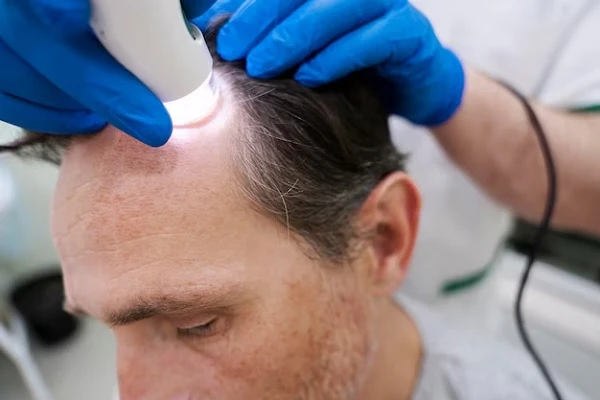
Nanotechnology is a cutting-edge scientific discipline concerned with the sub-molecular and atomic manipulation of materials. Focusing on such a small scale, the nanoscale, is essential. Using nanoparticles, which are extremely small particles, is at the heart of nanotechnology’s potential as a hair loss treatment. Since these particles are far smaller than a human hair, they can reach deep inside and provide a targeted and efficient method of intervention.
Nanotechnology provides a variety of approaches for dealing with hair thinning. Making microscopic materials and systems that can transport and deliver beneficial compounds directly to the places where they are needed is one approach. Potential examples of such compounds include growth factors, pharmaceuticals, and even stem cells. They can be utilized to efficiently treat hair regeneration and in a targeted manner.
Role of Nanoparticles in Hair Regeneration
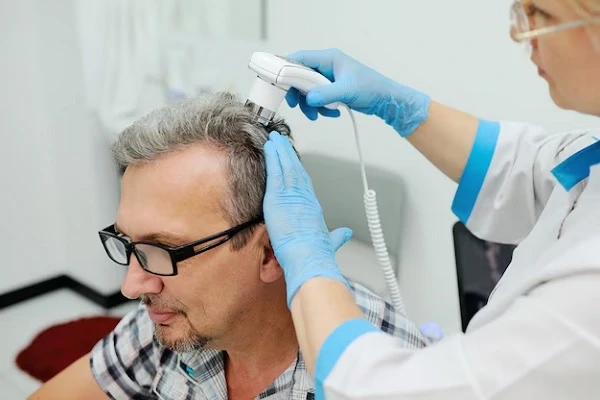
Nanoparticles are very small, and that’s why they have unique properties that make them great for making hair grow back. Traditional treatments have a hard time getting to the hair cells because they can’t get through the skin. These treatments, on the other hand, can do this very well. When the nanoparticles get to where they’re supposed to go, they can carefully control and continuously release the substances they carry, such as chemicals that help plants grow or medicines. This helps to get the best benefits from the treatment.
Nanoparticles can contain genes and carry them to the body. In other words, they can be used to put certain genes into the body that can help hair grow. Or control the things that make hair loss happen. This amazing delivery method might be able to wake up hair follicles that have been dormant, giving them a new lease on life and possibly causing new, healthy hair to grow.
Advantages over Conventional Treatments
Nanotechnology is a better way to treat hair loss than traditional means in many ways. To begin, this technology’s exact targeting and controlled release mechanisms help to lower the amount of drugs or therapeutic agents that are needed. This lowers the risk of side effects and harm to the body.
Additionally, nanotechnology might be able to fix the problems with traditional treatments, especially when existing medicines. And therapies have not worked as well as expected. Nanotechnology is truly amazing because it can target hair follicles and send therapeutic compounds right where they are needed. This makes it possible for treatments to be more successful, last longer, and be tailored to each person.
Nanotech-based Drug Delivery Systems
Nanotechnology has significantly revolutionized the field of hair loss therapy by introducing ground-breaking breakthroughs in drug delivery technologies. Nanocarriers, such as nanoparticles, liposomes, and nano emulsions, are specifically engineered to encapsulate active medicinal components.
Carriers are of utmost importance in preserving the integrity of therapeutic agents, inhibiting their degradation, enhancing their solubility in liquids, and facilitating their regulated release at precise sites, hence prolonging their efficacy. The medication delivery system under consideration is specifically engineered to mitigate systemic side effects. Hence enabling the administration of lower dosages while maintaining optimal absorption within the body.
Additionally, the gradual release of medication over an extended duration aids in maintaining therapeutic levels of the drug within the body for an extended period of time. In this manner, it ensures that the medication operates with optimal efficacy.
Scalp Nanogels and Nanopatches
Nanopatch and nanogel applications to the scalp are two fascinating examples of how nanotechnology is being used to combat hair loss. Amazingly, scientists have developed small gels and patches that may deliver therapies directly to the scalp. It’s a novel and interesting take on the age-old problem of balding. These items are designed to be used on the scalp alone.
They store therapeutic substances that can treat a wide range of diseases and disorders in a reservoir-like fashion. Hydrogels, or nanogels, are extremely small particles that can be utilized to slow the release of drugs. They offer a reliable foundation for this release, extending the duration of the chemicals’ effects.
Nanopatches are little adhesive patches that are placed on the scalp and slowly release their contents. These tools make life much easier and cozier. Because of how quietly and effectively they operate, medicinal drugs can be delivered to the hair follicles without causing any discomfort to the patient.
Nanoscale Sensors for Hair Health Monitoring
Moreover, the field of nanotechnology introduces the concept of little sensors capable of monitoring the state of our hair. The purpose of these sensors is to detect and evaluate several parameters related to the scalp and hair. Such as pH levels, sebum production, and potential signs of inflammation or illness.
The sensors possess a remarkable capacity to gather data instantaneously. The provision of vital information regarding the status of the scalp can aid in the early detection of potential issues that may contribute to hair loss. The proactive monitoring system has been specifically created to accommodate individual requirements, offering a customized approach. This technology facilitates prompt intervention and the provision of more precise therapies that are customized to address the unique characteristics of your scalp.
The development and use of nanotechnology-based processes and applications have significantly transformed the approach to combating hair loss. They offer individuals experiencing hair issues with more accurate, efficient, and tailored solutions.
Challenges and Ethical Considerations
The application of nanotechnology in the treatment of hair loss raises significant problems pertaining to safety and regulatory complexities. The nanoparticles employed in these therapeutic interventions exhibit a remarkably small size, endowing them with unique attributes that may potentially cause unanticipated physiological responses.
A comprehensive examination is required to tackle inquiries pertaining to the possible accumulation of these compounds within the human body. Their influence on general well-being, and any potential enduring consequences they might entail.
Regulatory bodies are presently faced with the challenge of formulating comprehensive guidelines pertaining to the application of nanotechnology-derived products in the context of hair loss treatment. The task at hand is a multifaceted endeavor that necessitates meticulous deliberation and a keen focus on particulars. The objective is to guarantee the safety, efficacy, and reliability of these ground-breaking products for consumers.
Regulatory authorities have the capacity to offer explicit instructions and standards to producers, healthcare professionals, and consumers through the establishment of detailed guidelines. The use of this approach is expected to facilitate the development of trust. And assurance in the utilization of nanotechnology-driven goods for the purpose of treating hair loss.
As a result, individuals who are actively seeking viable remedies for their hair loss issues will finally experience advantageous outcomes. Given the innovative nature of these therapeutic approaches, it is conceivable that existing rules may not sufficiently encompass the numerous intricacies and potential risks associated with nanoparticles.
The establishment of clearly defined safety rules and standardized testing methodologies is vital to ensure the secure integration of these innovations into the market.
Final Thought
In conclusion, nanotechnology holds immense potential in treating hair loss. It brings a ray of hope by providing accurate and focused solutions that have the potential to revolutionize the field of hair restoration. When it comes to dealing with hair loss, the use of nanotechnology has shown great potential in bringing about a revolutionary change.
However, we must also take into account the challenges and ethical concerns that come along with it. It is crucial to support and promote more research and innovation in this field. This will help us fully tap into its potential and develop treatments that are not only effective but also safe and easily accessible to everyone.