



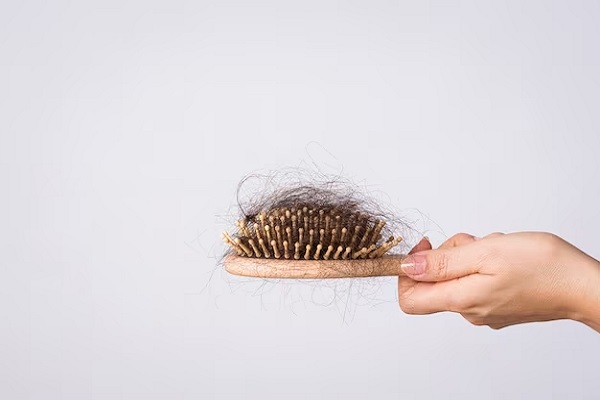
It’s common for some hair to fall out naturally daily. According to general observations, an average of fifty to a hundred strands is part of the regular, non-alarming shedding process. This is generally considered normal and shouldn’t be a cause for worry. In this article, we will discuss hairs falling out.
Yet, the scenario changes when the lost hair count noticeably increases. This is especially true during activities like washing or combing. If the excess hair loss is not a result of a seasonal change, it prompts concern. We must ponder effective measures to address and halt these abnormal hairs falling out.
What Makes my hair fall out?
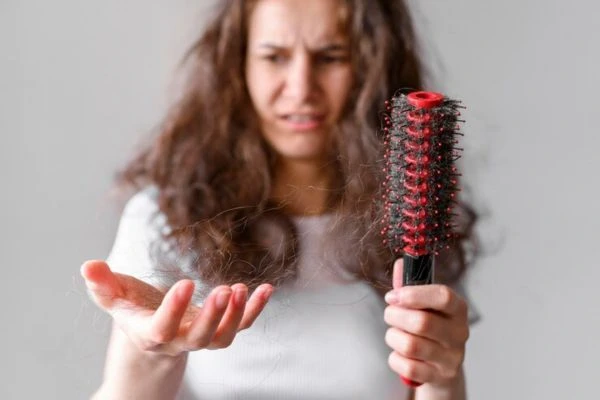
Hair loss is a complex issue influenced by a range of internal and external factors. Delving into more detail:
Genetics (Hereditary Hair Loss)
Genetic predisposition is a significant contributor to hair loss. If your family history includes instances of hair loss, particularly among parents or grandparents, it can heighten your susceptibility.
Hormonal Changes and Medical Conditions
Various hormonal shifts can trigger hair loss, such as those occurring during pregnancy, post-childbirth, menopause, or due to thyroid disorders. Medical conditions like alopecia areata (an autoimmune disease affecting hair follicles) and trichotillomania (hair-pulling disorder) can also lead to hair loss.
Medications and Supplements
Certain medications, including those prescribed for cancer, arthritis, depression, heart problems, gout, and hypertension, may list hair loss as a side effect. Additionally, using supplements or medications without proper consultation can impact hair health.
Radiation Therapy to the Head
Patients undergoing radiation therapy, especially in the head region, may experience altered hair growth patterns and, in some cases, permanent hair loss.
Stress-Related Factors
Intense physical or emotional stress can induce telogen effluvium, a type of hair loss that disrupts the normal hair growth cycle and leads to increased shedding.
Hairstyles and Treatments
Certain hairstyles that exert excessive tension on the hair, such as tightly pulled styles like pigtails or cornrows, can result in traction alopecia. Additionally, aggressive hair treatments like hot oil applications and chemical permanents may cause inflammation of hair follicles, contributing to hair loss.
Dietary Factors
A balanced diet is crucial for maintaining healthy hair. Deficiencies in essential nutrients, especially iron and protein, can contribute to hair shedding and thinning.
Age-Related Changes
As individuals age, hair naturally thins, and hair growth tends to slow down. The aging process impacts both the thickness and density of the hair.
Addressing hair loss effectively requires a comprehensive understanding of the underlying causes. Consulting with healthcare professionals, particularly dermatologists, can provide personalized insights and guidance tailored to your specific situation.
What to do if Your Hair Falls out
In expert advice, maintaining composure in the face of hair loss concerns is the initial imperative. On one hand, it’s essential to recognize that the decline might not signify a severe issue. Conversely, it’s crucial to acknowledge that stress can compound the problem. Thus, in the event of experiencing unusual hair loss, proactive measures involve identifying and addressing the root causes.
Hair loss often correlates with factors such as heightened stress levels, inadequate dietary patterns, hormonal fluctuations, or specific medications. Apart from medications, which can be scrutinized through accompanying leaflets, seeking guidance from a specialist is advised for a thorough understanding and timely intervention.
Consulting a Specialist
When consulting a specialist, expect inquiries about the areas the follicles are shedding. The distinct nature of hair loss, whether it emanates from the frontal region, lateral zones, or the crown of the head, serves as a pivotal diagnostic indicator. Understanding the precise location of hair loss enables the dermatologist to provide tailored recommendations and interventions.
Experts will examine various aspects of your lifestyle, starting with a thorough examination of your dietary choices. Any recent modifications to your eating habits or deficiencies in vital nutrients can significantly impact the health of your hair. In response, tailored recommendations may be provided, emphasizing incorporating foods abundant in vitamin A, proteins, and essential fatty acids to promote optimal hair health.
The inquiry extends to your hair care routine, encompassing the type of shampoo you use, the frequency of usage per week, and your reliance on heat styling tools such as hair dryers and flat irons. Additionally, scrutiny will be applied to the specific hair care products you’ve used recently, as certain formulations may contribute to the weakening of hair follicles.
What about hair loss in women?
In the case of women experiencing unexplained hair loss, the investigation may extend to factors such as the nature of menstrual cycles and the presence of anemia. This is especially true when the hair loss doesn’t align with typical alopecia patterns.
Doctors may propose a nuanced solution in response to identified issues. They might suggest a meticulously curated diet rich in iron. This dietary intervention aims to address concerns until menstrual cycles normalize or iron levels are restored. Iron plays a vital role in maintaining robust and healthy hair.
Natural Remedies for hair loss
While it’s essential to consult a healthcare professional to assess your hair loss thoroughly, some natural remedies and practices may help promote hair health. Remember that results can vary, and these suggestions are not guaranteed solutions. Here are some natural remedies to consider:
Scalp Massage with Essential Oils
Gently massage your scalp using essential oils like rosemary, lavender, or coconut oil. Ensure the massage is circular, promoting improved blood circulation and stimulating hair follicles.
Aloe Vera Application
Apply fresh aloe vera gel directly to the scalp. Aloe vera contains proteolytic enzymes that may help remove dead skin cells and soothe an irritated scalp, fostering a conducive environment for hair growth.
Nutrient-Rich Diet
Adopt a well-rounded diet rich in essential nutrients. Prioritize foods high in vitamins A and E, omega-3 fatty acids, and biotin. Incorporate diverse fruits, vegetables, nuts, and seeds into your meals for comprehensive nutritional support.
Onion Juice Treatment
Extract onion juice and apply it to the scalp. Onions are a source of sulfur, which is believed to enhance collagen production and stimulate hair growth. Leave it on for a designated period before rinsing thoroughly.
Green Tea Rinse
Use green tea as a hair rinse. Green tea is abundant in antioxidants that may help prevent hair loss and encourage healthier growth. Brew the tea, allow it to cool, and use it as a final hair rinse after shampooing.
Limit Heat and Chemical Exposure
Reduce the use of heated styling tools and minimize exposure to harsh chemical treatments, as they can weaken the hair structure and contribute to increased hair loss.
Regular Exercise for Improved Circulation
Engage in regular physical activity to enhance overall blood circulation, ensuring that the scalp receives adequate oxygen and nutrients. This can positively impact the health of hair follicles.
Optimal Hair Care Practices
Choose a mild shampoo and conditioner tailored to your hair type. Avoid excessive washing, and be gentle when detangling wet hair to prevent breakage. Consider using a wide-tooth comb for better distribution of natural oils.
Biotin Supplementation
After consulting with a healthcare professional, consider taking biotin supplements. Biotin, a B vitamin, is often associated with promoting healthy hair, skin, and nails.
Stress Management Techniques
Implement stress-reducing practices such as meditation, yoga, or deep breathing exercises. Chronic stress can contribute to hair loss, and managing stress levels is crucial for overall well-being.
Remember, results may vary among individuals, and it’s essential to be consistent with these practices. If hair loss persists or worsens, seeking guidance from a healthcare professional or dermatologist ensures a more personalized and practical approach to address the underlying causes.
Hair Styles for Hair Falling Management
Choosing the right hairstyle can help manage the appearance of hair loss while also promoting hair health. Consider the following styles:
- Layered Haircuts: Layers can add volume and texture, creating an illusion of fuller hair. This style works well for various hair lengths.
- Pixie Cut: Shorter hairstyles, like a pixie cut, can be low-maintenance and give the appearance of thicker hair. This style can also draw attention away from thinning areas.
- Bob Cut: A classic bob cut can add fullness and body to the hair. It’s versatile and can be customized to suit different face shapes.
- Side-Sweeped Bangs: Side-swept bangs can cover a receding hairline or thinning at the front and add a stylish and youthful touch.
- Long Layers: For longer hair, incorporating subtle, face-framing layers can add movement and make the hair look more voluminous.
- Updos and Buns: Updos and buns can effectively conceal thinning areas, especially around the crown. They also protect the hair by minimizing friction and breakage.
- Messy Waves: Embrace a tousled, messy wave style. This can create the appearance of thicker hair while being stylish and contemporary.
- Textured Shag: A textured shag haircut can add volume and dimension to the hair. This style is known for its effortless, lived-in look.
Remember, personal preferences and face shapes play a role in choosing the most suitable hairstyle. Experimenting with different styles can be empowering and help you find the look that makes you feel confident. Additionally, maintaining overall hair health through a balanced diet and gentle hair care practices is essential for managing hair loss.