



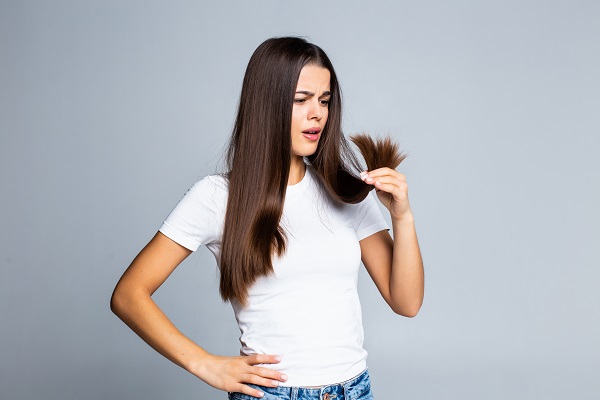
Apple cider vinegar is perhaps the most used type of vinegar for hair care. Regarding skincare and wellness, cider vinegar has been a significant participant in both arenas for a long time. Cider vinegar is also gaining a reputation in the hair care industry. Those who use many hair products and don’t wash their hair every few days (which is pretty much all of us) are all too familiar with the icky feeling of oil and product buildup in our hair.
After multiple applications of dry shampoo, hairspray, and style lotions, your scalp can be left with a lingering product coating. Soft water can make hair seem slick, especially if you reside in an area with it. The good news is that you may be able to find a cheap and effective solution in your kitchen cabinet: apple cider vinegar (ACV).
Why do specialists recommend apple cider vinegar?
Trichologists and hairstylists worldwide recommend an apple cider vinegar rinse for revitalizing dull hair in only a few minutes. As a result, the do-it-yourself (DIY) component is a beautiful substitute for the average expensive clarifying shampoos. Also, you don’t have to worry about the smell. While ACV has a strong and often undesirable smell in its containing, that smell doesn’t linger on the hair after application.
The smell disappears as soon as you rinse your hair, and your hair will return to normal. Unfortunately, many people have been discouraged from using ACV because of the myth that it leaves the user with an undesirable smell. Having said all this, let’s quickly do a run down through some of the benefits of cider vinegar to your hair.
What are the benefits of vinegar for hair?
pH Balance
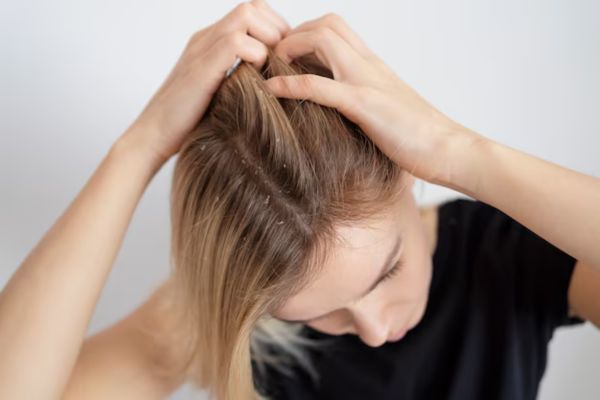
For hair to be healthy and robust, it is vital to maintain the normal pH range of the hair and the pH levels of other bodily tissues. You’ll notice a difference in the appearance and feel of your strands the moment they shift outside of that range, whether as a result of your surroundings, product usage, styling, or any other external influences.
When hair appears lifeless, dull, and frizzy, it is most likely because the surroundings’ pH level is too alkaline. There are numerous advantages to using ACV in this case. In addition to having a high concentration of naturally occurring acidity, it will aid in restoring hair’s pH equilibrium.
Anti-microbial protection

Most bacteria and fungi on your scalp are harmless. However, if they grow too abundantly, they can cause discomfort and dandruff. Apple cider vinegar can help manage this issue. It balances a dry and irritated scalp by reducing the bacteria and fungi that lead to scalp problems.
By maintaining a healthy balance of microorganisms, ACV contributes to overall scalp health and may reduce itchiness and flakiness. Additionally, ACV helps remove product buildup and residue, leaving the scalp feeling revitalized and promoting healthier-looking hair.
Helps to clear build-ups
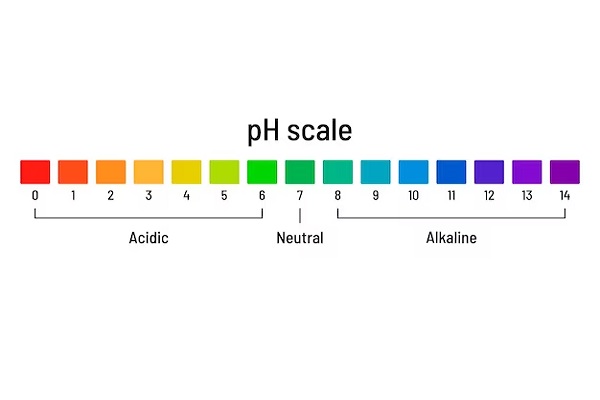
For the time being, let us return to the pH issue: ACV has a stronger acidity than most typical shampoos. It exfoliates dead skin cells and eliminates buildup caused by hard water and hair products such as dry shampoo. It can also help reduce excess natural oils at the root, making it an excellent choice for oily hair.
Because it is even milder than typical clarifying shampoos, you can use it more than once a week without damaging your hair. It’s recommended to use it every time you shampoo your hair to keep the pH level balanced, close the cuticle, and restore the hair’s surface and luster. Additionally, the acidic nature of ACV helps to seal the hair cuticle, resulting in smoother, shinier hair that is less prone to tangling and breakage.
The exfoliating action of ACV also promotes a healthier scalp by removing dead skin cells and product residue, which can contribute to dandruff and itchiness. Moreover, ACV can act as a natural conditioner, leaving your hair soft, manageable, and free from frizz. Its clarifying properties make it an effective treatment for removing mineral and product buildup, restoring hair to its natural shine and vibrancy.
How to Make Homemade Apple Cider Vinegar?
How to use Apple Cider Vinegar for the hair?
While ACV is an excellent alternative to shampoo, it is critical to understand how to use it properly. Due to the acidic nature of this product, an incorrect application to the hair might be damaging. The methods to follow are as follows:
- Fill a spray bottle with five parts water and one part vinegar and shake well. (If you want to be precise, an average of 100 ml of ACV is usually recommended for 500 ml water.)
- Spray your scalp thoroughly, ensuring that it is uniformly coated with the product.
- Using your fingers, massage the vinegar into your clean hair. It will be sufficiently diluted so that it doesn’t burn you.
- Let the vinegar mixture settle for two to five minutes before using it.
- You should use cool water to rinse your hair and scalp.
- Following this rinse, use a light conditioner that won’t weigh your hair down too much.
- Rinse your hair thoroughly to remove all vinegar residues or any other product used during the whole process.
Misconceptions about Apple Cider Vinegar
Almost everything is riddled with myths and misconceptions. ACV is not excluded; probably, you also believed some of these lies. Let’s take a quick look at some of the most common ones.
- You can use ACV instead of shampoo. This isn’t true. Although ACV is an excellent clarifier and exfoliator, it is not capable of cleansing your hair singlehandedly. After shampooing, use an ACV rinse to seal in the moisture. Sulfate-free and light shampoos are best for those concerned about shampoo stripping their hair.
- ACV is so acidic that it will harm your hair. This is true if you’re using undiluted apple cider vinegar. We don’t recommend using pure ACV on your hair as it can be dangerous and may burn you. However, it becomes completely safe when diluted in water in the correct quantity.
- ACV will make you smell. This common myth has caused many to miss the wonder of this nature-given formula. But note that your hair will smell just alright as long as you thoroughly wash the hair after an ACV application.