



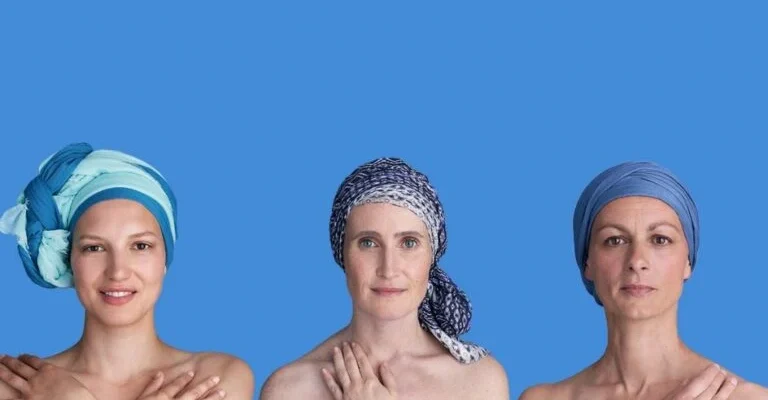
The handkerchief for chemotherapy is an essential element to cover the scalp. When confronted with hair loss from chemotherapy, individuals grapple with a pivotal decision: embrace the natural changes, explore wig options, or opt for the headscarf route. This choice is highly subjective, hinging on personal comfort. After a thorough examination of the diverse available options, individuals tend to gravitate toward what aligns best with their preferences.
A prevalent choice among many women navigating through the challenges of treatment-induced hair loss is the simplicity of using scarves or turbans. Should this be your preferred approach, learning from the experiences of those who have walked this path before is beneficial. Insights shared by women who have utilized scarves or turbans shed light on common mistakes often repeated by those choosing this method to conceal their scalps.
The Handkerchief During Chemotherapy
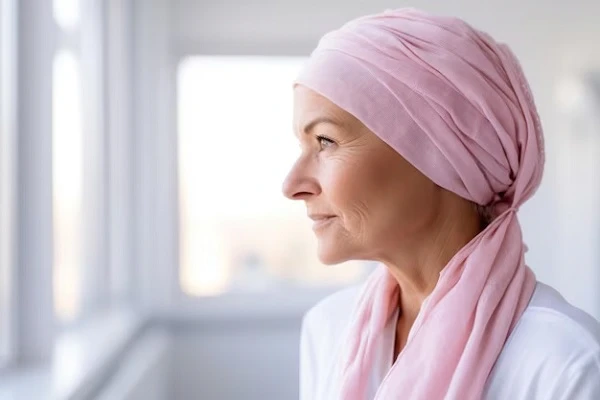
Avoid specialty shops
Avoiding specialized stores is a common preference among many women when it comes to acquiring oncological supplements. Instead, they gravitate towards regular stores that offer products with versatile materials suitable for various conditions, be it outdoor activities or cold seasons.
A notable drawback arises from the tendency of these women to use such products for hair coverage. However, due to the selective application, the coverage often proves insufficient to effectively conceal the loss of hair. As a more viable alternative, it is recommended to seek guidance from specialized stores, whether in the online realm or physical outlets. These specialized stores offer a range of comfortable accessories that are specifically designed for use throughout the entire process, ensuring both functionality and comfort during what can be a challenging time.
Turbans with interior seams
Head coverings featuring inner seams can pose a potential threat to comfort and well-being. Opting for a cap or turban without consideration for its construction may result in discomfort and chafing caused by internal seams. These seams have the potential to create wounds and discomfort, issues that can easily be avoided by choosing specialized headwear designed to eliminate such problems.
Do not pay attention to the materials they are made of
When it comes to selecting headwear, paying attention to the materials used is of utmost importance. The materials that make contact with our skin for an extended period play a crucial role in determining comfort. It is recommended to be cautious about materials like bamboo or silk, as they may not provide the desired comfort level.
Instead, opting for headwear made from materials like cotton or viscose is a wise choice. They offer a more pleasant and comfortable experience for prolonged wear. By prioritizing both design and material, one can ensure a more enjoyable and injury-free experience when donning head coverings.
Use basic colors
Many women who incorporate head scarves or turbans into their attire tend to gravitate towards understated shades, particularly favoring the subtlety of black and gray tones. This choice stems from a desire to navigate through daily life with minimal attention drawn to their head coverings.
It becomes imperative to delve into the nuances of aesthetic considerations during periods of treatment or personal styling. Black, while elegant, tends to accentuate under-eye bags, potentially affecting one’s overall appearance. On the other hand, the use of gray might lead to a noticeable paling of the skin tone.
To enhance the overall experience, it is advisable to explore a spectrum of colors beyond black and gray. Research suggests that certain colors not only contribute to aesthetic appeal but have also demonstrated a positive impact on the wearers’ attitudes. Making thoughtful color choices can, therefore, play a pivotal role in creating a harmonious and uplifting aesthetic during challenging times.
How to Choose The Right Size Handkerchief For Chemotherapy
Selecting the right size handkerchief during chemotherapy involves considering factors like coverage, comfort, and personal preference. Here are some guidelines to help you choose the appropriate size:
Coverage of the handkerchief for chemotherapy
Opt for a handkerchief that provides sufficient coverage for your needs. Consider whether you want full head coverage, including the neck and forehead, or if you prefer a smaller size for a more stylized look. Larger handkerchiefs offer versatility in styling and can be adjusted based on your comfort level and the weather.
Comfort
Choose a size that feels comfortable on your skin, especially if you have sensitive or irritated skin due to chemotherapy. Soft, breathable fabrics like cotton or bamboo can be gentle and soothing. Make sure the handkerchief is not too tight to avoid unnecessary pressure on your head.
Versatility
A medium to large-sized handkerchief provides more styling options. You can experiment with different wraps, folds, and ties to create various looks. This versatility is particularly useful when you want to adapt your head covering for different occasions or moods.
Personal Style
Consider your personal style preferences. Some individuals prefer more oversized scarves that allow for creative styling, while others may opt for smaller, more discreet options. Additionally, consider colors and patterns that resonate with you, as choosing something aesthetically pleasing can positively impact your mood.
Functionality
If convenience is a priority, pre-tied turbans or headscarves may be a suitable option. These often come in standard sizes and can be an easy and quick solution when you don’t want to spend time styling a handkerchief.
Remember that there is no one-size-fits-all answer; your ideal handkerchief size will depend on your unique preferences and needs. Experimenting with different sizes and styles will help you find the perfect fit for your comfort and confidence during chemotherapy.
Tips forhandkerchief for chemotherapyDuring Chemotherapy
Ensuring the cleanliness and comfort of handkerchiefs for individuals undergoing chemotherapy involves a detailed and thoughtful washing routine. Here’s a more comprehensive guide:
Detergent Consideration
Opt for a mild, fragrance-free detergent specially formulated for sensitive skin. This choice minimizes the risk of skin irritation and allergic reactions, providing a gentler cleaning solution.
Separate Laundry Loads
Wash the handkerchiefs separately from regular laundry to prevent cross-contamination. This segregation ensures that the handkerchiefs receive dedicated care and attention.
Handkerchief for Chemotherapy Temperature Control
Use cold water for washing to prevent potential shrinkage and preserve the fabric’s softness. Coldwater washing is also effective in maintaining the vibrancy of colors without causing fading.
Avoid Harsh Chemicals
Refrain from using harsh chemicals, bleach, or fabric softeners when washing. These substances can irritate sensitive skin and compromise the fabric’s integrity over time.
Air-Drying Method
Opt for air-drying the handkerchiefs instead of using a machine dryer. Line drying or laying them flat helps maintain the fabric’s quality, and it eliminates exposure to potentially irritating elements found in dryer sheets.
Regular Cleaning Schedule
Establish a regular cleaning schedule based on individual preferences and usage frequency. For some, daily washing may be necessary, while others may find periodic washing sufficient to maintain cleanliness and freshness.
Consider Multiples
Having a set of multiple handkerchiefs allows for a continuous supply while others are being washed. This approach ensures a seamless rotation. That is particularly beneficial during busy periods or challenging health situations.
Routine Inspection
Periodically inspect the handkerchiefs for signs of wear, tear, or damage. Regular checks enable early identification of issues, allowing for prompt replacement and ensuring ongoing comfort and hygiene.
Personalized Care Plan for a handkerchief for chemotherapy
Tailor the care routine to individual needs, considering any specific recommendations from healthcare providers. Personalizing the washing routine of the handkerchief for chemotherapy enhances overall comfort and addresses unique sensitivities.
By incorporating these detailed steps into the handkerchief care routine, individuals undergoing chemotherapy can maintain a high standard of cleanliness, comfort, and hygiene, contributing positively to their well-being during this challenging period.
How to Choose The Right Size Handkerchief For Chemotherapy
Selecting the appropriate size handkerchief during chemotherapy involves considering factors such as comfort, coverage, and personal preferences. Here’s a guide to help you choose the right size:
Consider Coverage Needs
Determine the level of coverage you desire. Some individuals prefer full head coverage, including the neck and forehead, while others may opt for a smaller size for a more customized look.
Prioritize Comfort
Choose a size that feels comfortable against your skin, especially if you have sensitive or irritated skin due to chemotherapy. Look for soft, breathable fabrics like cotton or bamboo.
Versatility in Styling
Opt for a medium to large-sized handkerchief for versatility in styling. More oversized handkerchiefs provide more options for wraps, folds, and ties, allowing you to create different looks based on your preferences and needs.
Adaptability to Occasions
Consider the occasions for which you’ll be wearing the handkerchief. A larger size may be more suitable if you want a versatile option that can be worn in both casual and formal settings.
Personal Style Preferences
Take your personal style into account. Some individuals prefer the elegance of more oversized scarves, while others may opt for smaller, more discreet options. Choose colors and patterns that resonate with your style and lift your spirits.
Ease of Use
Pre-tied turbans or headscarves in standard sizes can be a practical choice if convenience is a priority. These options are designed for effortless wear without the need for intricate tying.
Experiment with the handkerchief for chemotherapy Sizes
Try different sizes to see what works best for you. Experiment with various dimensions to find the perfect balance between comfort, coverage, and style.
Consider Hair Loss Patterns
If you are experiencing hair loss, consider the patterns of hair loss. Some individuals prefer more oversized handkerchiefs for more coverage, while others may find smaller sizes sufficient based on their specific hair loss pattern.
Remember that the correct size handkerchief is a personal choice, and there’s no one-size-fits-all solution. Take the time to explore different options and find what makes you feel most comfortable and confident during chemotherapy.