



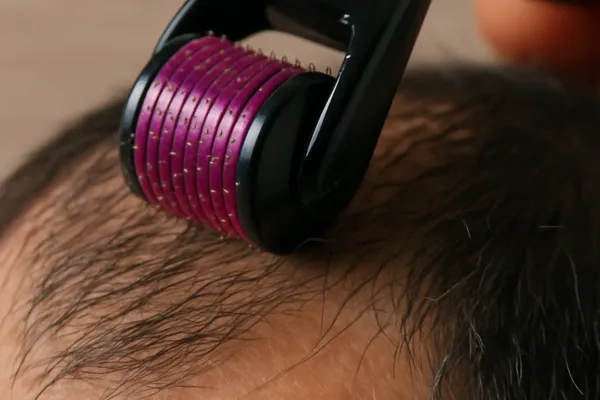
Choosing the right dermaroller and using proper techniques are crucial for success. Consistency and patience are key, as results may take months to appear. Before starting, it’s wise to consult a dermatologist to ensure microneedling is suitable for your scalp and hair type.
What Is Microneedling and How Does It Work?
Microneedling is a technique that uses small needles on the skin. A dermaroller, a tool with a roller covered in fine needles, is usually employed in this process. When rolled over the scalp, it creates tiny punctures known as micro-injuries.
These micro-injuries stimulate the body’s natural healing process. This includes an increase in collagen production, a protein that maintains skin and hair structure. Enhanced blood circulation to the scalp is another benefit, potentially nourishing hair follicles.
Key aspects of microneedling include:
- Use of a dermaroller with needles ranging from 0.5mm to 1.5mm in length
- Creation of micro-injuries to stimulate collagen and blood flow
- Potential to improve the effectiveness of topical hair treatments
This minimally invasive method has gained traction for its potential benefits, making it popular for those seeking hair growth solutions at home.
The Science Behind Microneedling for Hair Growth
Microneedling has shown promise in science due to its effects on hair follicles. By creating tiny wounds, it triggers a healing response that may promote new hair growth.
This process involves the stimulation of collagen and the influx of growth factors in the treated area. These elements are crucial in maintaining hair health and potentially awakening dormant hair follicles.
Studies suggest microneedling may benefit those with androgenetic alopecia, a common form of hair loss. Some findings include:
- Increased hair thickness and density after regular sessions
- Enhanced absorption of treatments such as minoxidil
- Improved blood flow to the scalp region
While research is ongoing, these findings offer hope. The procedure’s simple nature and promising results contribute to its growing popularity among at-home users.
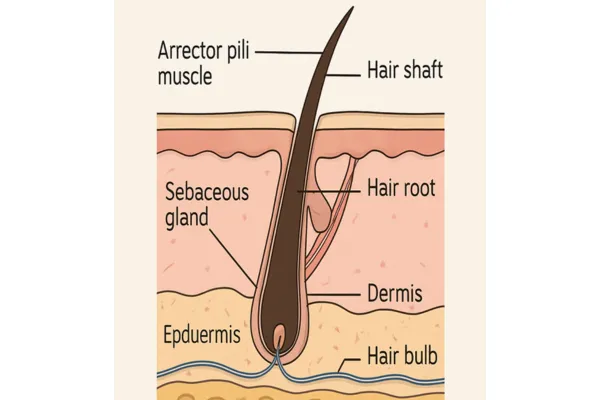
Choosing the Right Dermaroller for At-Home Use
Selecting the correct dermaroller is crucial for successful microneedling at home. The needle size should match your treatment needs and comfort level. For the scalp, experts usually recommend sizes ranging from 0.5mm to 1.5mm.
Other factors to consider include needle quality and dermaroller durability. Cheap models may cause more harm than good, leading to unnecessary scalp irritation. Therefore, investing in a good-quality dermaroller ensures safer and more effective results.
When selecting a dermaroller, check the following:
- Needle size appropriate for your experience level
- High-quality, durable materials
- Easy-to-clean design to maintain hygiene
Choosing the right tool can make a significant difference in achieving the desired outcomes with minimal risks involved.
Step-by-Step Guide: How to Microneedle Your Scalp at Home
Microneedling at home can be done safely with the right approach. First, ensure your scalp and dermaroller are clean to prevent infection. Begin by washing your hair with a mild shampoo.
Next, sterilize your dermaroller with isopropyl alcohol to eliminate bacteria. This step is crucial to avoid any potential scalp infections. Let the tool dry before use.
Once ready, gently roll the dermaroller over your scalp. Aim for different directions—up and down, side to side, and diagonally. This pattern ensures even coverage and promotes optimal results.
While rolling, apply minimal pressure to prevent injury. The session should be brief, lasting about 10 to 15 minutes. Avoid overuse to reduce the risk of irritation.
After the session, it’s essential to clean the dermaroller again. Apply a soothing serum or a hair growth product to nourish the treated area. Follow a regular, once-a-week routine for the best outcomes.
Here’s a quick checklist for your microneedling session:
- Wash your scalp thoroughly.
- Sterilize the dermaroller.
- Roll evenly over the scalp.
- Clean the tool post-use.
- Nourish the scalp with a serum.
By adhering to these steps, you’ll enhance your chances of seeing noticeable improvements without unwanted side effects.
Benefits of Microneedling at Home for Hair Growth
Microneedling at home offers several potential advantages for individuals seeking hair growth. One primary benefit is its ability to boost collagen production. Collagen can strengthen hair follicles, leading to healthier hair growth.
Another advantage is enhanced absorption of topical products. After microneedling, the scalp becomes more receptive to treatments like minoxidil. This can amplify their effectiveness.
Consistency in microneedling can also improve the thickness and density of hair over time. Patience is crucial, as results may take several months.
Here’s a summary of the benefits:
- Stimulates collagen production
- Increases product absorption
- Potentially improves hair thickness and density
These benefits make microneedling a compelling option for those looking to support hair regrowth at home.
Risks and Potential Side Effects
While microneedling at home has its benefits, there are potential risks involved. Incorrect usage can lead to scalp irritation, causing redness or discomfort. This is why following the correct procedure is critical.
Moreover, using a dermaroller that isn’t properly cleaned may result in infections. This could worsen scalp conditions rather than improve them. It’s essential to maintain proper hygiene.
Common side effects include:
- Temporary scalp redness
- Discomfort during the procedure
- Risk of infection if tools are not sterile
Using a dermaroller improperly or too frequently can cause more harm than good. Always proceed with caution and adhere to recommended practices.
Tips for Safe and Effective At-Home Microneedling
To ensure safe and effective microneedling at home, preparation is key. Begin with a clean scalp and a sterilized dermaroller to reduce the risk of infection. Consistency and care will yield the best results over time.
Follow these essential tips for success:
- Disinfect the dermaroller before and after use
- Avoid using on infected or inflamed areas
- Limit microneedling to once a week
Safety must be the priority when performing microneedling at home. Adopting these habits can maximize benefits while minimizing potential risks.
When to Avoid Microneedling and Who Should Consult a Doctor
Certain conditions require caution with microneedling. Not everyone is a suitable candidate. Consider avoiding microneedling if any of the following applies:
- You have a scalp infection or skin conditions
- You’ve had recent sunburn on your scalp
- You have an active scalp inflammation
It’s crucial to consult a dermatologist if you’re unsure about your suitability.
Final Thoughts: Is At-Home Microneedling Worth It?
Microneedling at home offers a promising, cost-effective option for hair growth. However, it requires careful technique and patience for results.
Potential side effects exist, but they can be minimized with proper care. Consult a professional if uncertain. When done correctly, at-home microneedling can enhance your hair care routine.
At Capilclinic, we’re trusted by thousands of patients in the UK and Europe as a leading Hair Transplant Clinic in Turkey and Spain, known for our expert doctors, advanced facilities, natural hairline results, and affordable all-inclusive packages. Reach out to our team today to start your transformation.