




This article explores the licensing process, including categories and application steps, while helping practitioners explain how does a hair transplant work in accessible terms. With patients comparing hair transplant before and after results, certification becomes essential for credibility and long-term success. We also examine global pricing trends, including how much is a hair transplant in Turkey, to highlight regional dynamics and guide informed decision-making in this fast-growing field.
What is the hair transplant medical license?

A medical license for hair transplant is an official authorisation granted by a recognized medical board, confirming a physician’s right to legally perform hair restoration procedures. It ensures that the practitioner has undergone the necessary medical education and specialised training to operate within the legal and ethical standards of the healthcare industry.
This type of license is essential in distinguishing qualified doctors from unregulated or undertrained providers. Ensuring a medical license is in place guarantees safety and professionalism throughout the hair transplant process. Patients should always verify this credential before moving forward with any treatment plan. Without it, they may be exposed to significant risks and legal issues.
Patient safety
The primary purpose of a medical license is to safeguard patient well-being by ensuring that only trained and tested professionals perform surgical procedures like hair transplants. Regulatory bodies require doctors to meet strict educational and clinical standards before receiving their license. This dramatically reduces the chances of complications and ensures a high level of medical care. Furthermore, when patients choose a licensed physician, they reduce their exposure to potentially dangerous and unethical practices, which are sadly still present in the industry today.
Legal requirement
Not only is having a license a critical safety measure, but it is also a legal requirement in most countries. Performing hair transplants without a valid license can result in severe penalties, including heavy fines and imprisonment. Clinics must operate within these legal frameworks to ensure both compliance and patient trust. Patients who fall into the hands of unlicensed practitioners risk poor outcomes and may find themselves with no legal recourse if complications arise. The law protects patients only when procedures are performed by certified professionals.
Professional credibility
Beyond legality, a medical license significantly enhances a doctor’s professional credibility. Patients are far more inclined to trust a provider who can demonstrate formal recognition from an established medical authority. This trust directly impacts the patient’s confidence and overall satisfaction. Especially in cosmetic procedures, where expectations are high, this credibility can influence the entire patient experience—from consultation to post-operative care. Choosing a licensed surgeon reduces anxiety and promotes transparency in communication and results.
Ethical obligations
A licensed doctor is also expected to uphold ethical standards outlined by the licensing board. This includes maintaining patient confidentiality, obtaining informed consent, and prioritizing patient welfare above all else. Ethical practice fosters long-term trust between patients and practitioners. It also reinforces the importance of transparency in pricing, safety protocols, and outcome expectations.
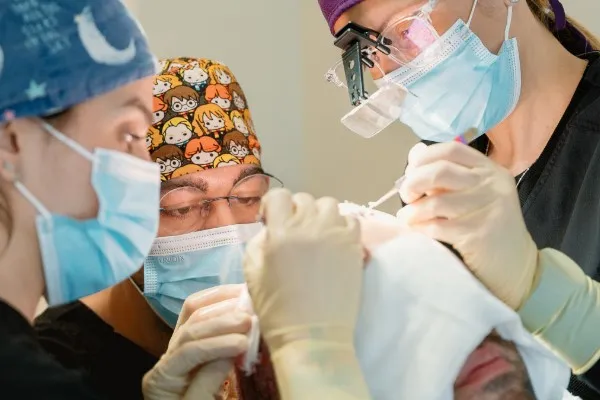
Many individuals researching treatments also consider hair transplant expenses, so knowing that a licensed physician follows fair pricing practices is an added advantage. In essence, a license is more than a document—it’s a commitment to professionalism, ethics, and patient care.
What are the different types of medical licenses for hair transplant?
Medical licences are not universally standardised; rather, they exhibit a range of variations contingent upon characteristics such as specialisation and the extent of professional responsibilities. Within the domain of hair transplantation, it is customary to identify two fundamental categories:
The Medical Doctor (MD)
Licence grants those who have obtained a Doctor of Medicine (MD) degree the authority to conduct hair transplant procedures. Medical doctors (MDs) have a thorough medical education and have successfully completed medical school, which equips them with the necessary knowledge and skills to proficiently manage the surgical components of hair transplantation.
Dermatology or Plastic surgery license
In the medical industry, certain professionals such as dermatologists or plastic surgeons may choose to obtain specialised licences that correspond to their specific areas of specialisation. These licences may confer upon them the legal authorization to conduct hair transplant procedures within the scope of their wider professional activities.
Requirements for obtaining a medical license for hair transplant

Medical license for hair transplant procedures requires candidates to meet several rigorous conditions that ensure safety, ethics, and professional standards are maintained.
Education
To begin with, a proper educational background is essential. Applicants must hold a recognised medical degree, such as an MD or equivalent, from an accredited institution. This academic training provides the essential medical knowledge required to practise effectively.
Clinical training and experience
Clinical experience through internships and residencies is crucial, particularly in surgery and dermatology, as these offer real-world exposure. Many future hair transplant specialists undergo additional training in hair restoration techniques to master tools, grafting procedures, and scalp analysis. This expertise supports better patient outcomes and contributes to successful results often seen in hair transplant before and after comparisons.
Licencing exams
In most countries, passing rigorous licensing exams is a fundamental requirement. These evaluations assess medical knowledge, clinical judgement, and ethical understanding. Some jurisdictions also require additional certification or assessments specific to aesthetic or hair restoration surgery. These tests play a vital role in ensuring that only qualified professionals can perform sensitive cosmetic procedures like hair transplants.
Continuing education
Continuing medical education is mandatory to maintain a valid medical license for hair transplant. Ongoing training allows practitioners to keep pace with technological advances and emerging techniques. It ensures they consistently provide high standards of care to their patients. Staying updated is essential in a fast-evolving field like hair transplantation, where patient safety and natural-looking outcomes are paramount.
Some medical specialities for hair transplant

Hair transplantation is closely tied to several established medical fields. These specialties often serve as the foundation for further specialization in this area. Medical license for hair transplant is a fundamental requirement in each of these disciplines to ensure safe, regulated practice and patient trust.
1- Dermatology
Dermatologists have a deep understanding of skin, hair, and nail disorders. Their knowledge of scalp conditions is essential for diagnosing transplant suitability. Dermatology provides the scientific base for assessing scalp health and hair loss causes, which makes it vital in this specialty. These professionals are often the first to recommend a hair transplant, especially when non-surgical options no longer work effectively.
Dermatologists understand how to design a natural-looking hairline that aligns with the patient’s hair growth patterns. They are also trained to monitor post-operative healing, reducing complications and enhancing outcomes over time.
2- Plastic surgery
Plastic surgeons focus on enhancing appearance through reconstructive and aesthetic procedures, including hair restoration techniques. They use advanced tools to ensure follicular placement blends seamlessly with existing hair, producing realistic results. Their aesthetic training allows them to craft hairlines that match facial symmetry, enhancing overall patient satisfaction.
Plastic surgeons also manage complications and optimize scar minimization for both donor and recipient areas. This specialty often overlaps with how does a hair transplant work, since both involve precision and visual detail.
3- Otolaryngology (ENT)
ENT specialists are trained in the intricate anatomy of the head and neck, making them well-suited for facial hair transplants. They often focus on restoring eyebrows, beards, and even eyelashes in patients experiencing partial or complete loss. ENT expertise supports complex transplants in delicate facial regions where precision and anatomical knowledge are crucial.
These specialists understand vascular structures and nerve pathways , reducing the risk of complications during facial implantation. Their surgical finesse benefits patients needing targeted restoration beyond the scalp.
4- General Surgery
General surgeons bring a wealth of surgical skill, particularly in tissue handling and graft harvesting from donor areas like the occipital scalp. They follow strict procedural protocols that support the technical demands of follicular unit extraction and implantation. Their experience with suturing and wound care makes recovery smoother and enhances graft survival rates.
These professionals can adapt quickly to the tools and methods used in modern hair transplant procedures. While not always cosmetic specialists, their hands-on training complements the aesthetic focus of hair restoration.
Additional certifications and training for hair transplant specialists

To build a strong and trustworthy career in the hair restoration industry, obtaining a medical license for hair transplant is just the starting point. Professionals who want to offer the highest standard of care should also pursue additional certifications and advanced training, which are key for gaining credibility in this competitive field. Board certification in a relevant medical specialty—such as dermatology or plastic surgery—is essential. It demonstrates not only deep clinical knowledge but also a professional commitment to ethical and effective practice.
Board Certification
Completing a fellowship in hair restoration surgery is another valuable step, as it offers hands-on experience under the supervision of leading specialists. These structured programs enhance skills through direct surgical practice and case study analysis.
Fellowships
Fellowships also help professionals master the latest techniques, improving patient outcomes and reinforcing professional reputation. By participating in one of these programs, specialists learn procedures that are crucial for delivering long-lasting, natural-looking results.
Join a professional group
Joining a respected organization like the International Society of Hair Restoration Surgery (ISHRS) connects professionals with a global network of experts. Membership provides access to journals, training materials, and industry updates. These resources are crucial in a fast-evolving field where new methods and innovations are constantly emerging. Being part of such a group signals professionalism and dedication to excellence, making it easier to build patient trust and grow your practice over time.
Continuing education
Ongoing education is essential for staying current with surgical advancements, new devices, and updated techniques. Attending annual conferences, workshops, and seminars is a reliable way to maintain excellence. It also enables professionals to explore global options, such as learning how much is a hair transplant in Turkey, to better advise patients on treatment comparisons.
What are the medical licenses for hair transplant bodies and regulations?
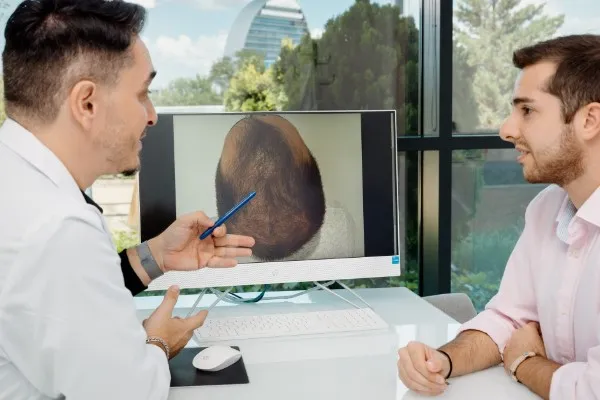
Medical licencing bodies are very important for making sure that healthcare workers are competent and act in an ethical way. These groups are in charge of giving out and keeping track of medical licences. Names and structures vary by country and region, but some popular examples are:
- Medical Boards: State or area medical boards are in charge of making sure doctors and surgeons have the right licences. They set the rules for schooling, training, and how people should act.
- Specialty Boards: Some areas of medicine have their own boards for licencing and qualification. For example, doctors get their licences from the American Board of Dermatology.
- National Medical Councils: In some countries, licencing and rules for doctors are set by a national council.
Conclusion
A medical license for hair transplant procedures is not just a formality – it is the foundation of trust between the patient and the clinic. Choosing a practitioner with the proper certification ensures that the procedure will be carried out with professionalism, safety, and respect for medical standards. In an industry where results and reputation matter, verifying credentials is one of the most important steps you can take.
Beyond legal compliance, licensed professionals offer peace of mind and reassurance throughout the entire hair transplant journey. From the initial consultation to the post-operative follow-up, every step is guided by expertise and ethical medical practice. Clinics that work only with certified doctors demonstrate a commitment to quality and patient satisfaction.
Unlicensed or improperly trained practitioners can put your health and aesthetic results at risk. While some may offer lower prices, they often compromise on safety, hygiene, and long-term outcomes. Opting for a medically licensed clinic significantly reduces the chances of complications and ensures you receive the best possible care in line with modern techniques and standards.
A medical license for hair transplant procedures must always be a top priority when choosing where to undergo treatment. If you’re considering a hair transplant and want to ensure you’re in expert hands, visit capilclinic.uk. Our clinic only works with fully licensed professionals who are recognised for their skill and commitment to excellence. Your hair deserves the best care—book a consultation today and take the first step with confidence.
At Capilclinic, we’re trusted by thousands of patients in the UK and Europe as a leading Hair Transplant Clinic in Turkey and Spain, known for our expert doctors, advanced facilities, natural hairline results, and affordable all-inclusive packages. Reach out to our team today to start your transformation.