



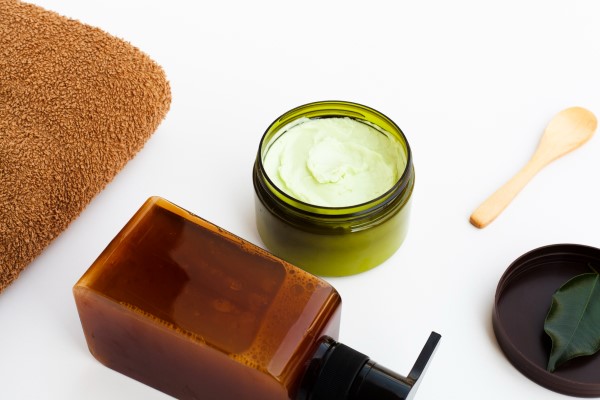
A hair mask is a deep conditioning treatment designed to nourish, moisturize, and repair the hair. It is a thicker and more concentrated formula compared to regular conditioners, providing intense hydration and addressing specific hair concerns. Hair masks are typically used once a week or as needed, depending on the hair’s condition and the product’s instructions.
Hair masks come in various forms, including cream-based masks, gel masks, or even oil-based masks. They contain a blend of ingredients that target different hair issues such as dryness, damage, frizz, lack of shine, or weak and brittle hair. These ingredients can include natural oils (like coconut oil, argan oil, or olive oil), shea butter, proteins, vitamins, plant extracts, and other nourishing substances.
You may also be interested: How Is the Postoperative Period of Hair Transplantation?
Masks To Moisturize Hair
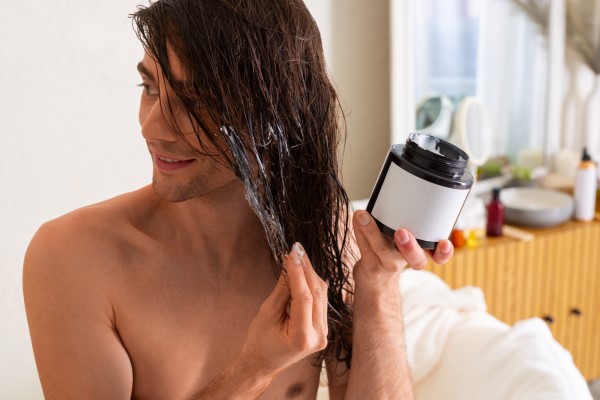
The process of using a hair mask usually involves applying the product to clean, damp hair after shampooing. The mask is distributed evenly through the hair, focusing on the mid-lengths and ends where the hair is typically more damaged. Some masks may require combing through the hair to ensure even distribution. The mask is left on for a specific amount of time, usually ranging from a few minutes to 30 minutes, depending on the product. After the recommended time, the hair mask is rinsed out thoroughly, followed by regular conditioning or styling as desired.
Hair masks can provide a range of benefits, including deep hydration, repair of damaged hair, improvement in hair texture, increased shine, reduced frizz, and enhanced manageability. They can be particularly beneficial for dry, damaged, or chemically treated hair, but they can also be used to maintain the overall health and appearance of any hair type.
It’s important to note that hair masks are not meant to replace regular conditioners but rather serve as a more intensive treatment to address specific hair concerns. They can be a valuable addition to a hair care routine, promoting healthier and more vibrant-looking hair.
Types Of Hair Mask
There are various types of hair masks available, each designed to address specific hair concerns. Here are some common types of hair masks:
Moisturizing Masks: These masks focus on providing deep hydration and nourishment to dry, dehydrated, or frizzy hair. They often contain ingredients like natural oils (coconut oil, argan oil, olive oil), shea butter, glycerin, or hyaluronic acid.
Repairing Masks: Repairing masks are formulated to address damaged or chemically treated hair. They typically contain ingredients like proteins (keratin, collagen), amino acids, ceramides, or plant extracts (aloe vera, bamboo extract) that help strengthen and repair the hair structure.
Color-Protecting Masks: Color-treated hair requires special care to maintain vibrancy and prevent fading. Color-protecting masks are specifically formulated to preserve and enhance the longevity of hair color. These masks often contain UV filters, antioxidants, and ingredients that help seal the hair cuticle to prevent color loss.
Volumizing Masks: Volumizing masks are ideal for fine or limp hair that lacks volume and body. These masks usually contain ingredients like proteins, polymers, or botanical extracts that help add thickness, lift, and bounce to the hair.
Smoothing Masks: If you struggle with frizz or unruly hair, smoothing masks can help tame and control it. These masks typically contain ingredients like silicones, oils, or plant extracts that provide moisture, seal the cuticle, and reduce frizz.
Scalp-Revitalizing Masks: Scalp health is essential for healthy hair growth. Scalp-revitalizing masks are designed to nourish and invigorate the scalp, promoting a healthy environment for hair growth. Ingredients like tea tree oil, menthol, peppermint oil, or salicylic acid may be found in these masks.
Thermal-Protective Masks: These masks offer protection against heat damage caused by styling tools like hair dryers, straighteners, or curling irons. They contain ingredients that form a protective barrier on the hair strands, reducing heat damage and promoting healthier styling.
Remember to follow the instructions provided with the specific hair mask you choose, as the application and rinsing times may vary. Additionally, it’s important to consider your hair type and any specific concerns you may have to select a mask that caters to your needs. Regularly incorporating a moisturizing hair mask into your hair care routine can help keep your hair healthy, hydrated, and looking its best.
What To Consider Before Masking
Before applying a hair mask, there are a few factors to consider to ensure the best results. Here are some things to keep in mind:
Hair Type: Consider your hair type and its specific needs. Different hair types require different types of masks. For example, dry and damaged hair may benefit from a moisturizing or repairing mask, while oily hair might benefit from a lighter formula or a mask focused on balancing the scalp.
Hair Concerns: Identify the specific concerns you want to address with the mask. Whether it’s dryness, frizz, damage, lack of shine, or any other specific issue, choosing a mask formulated to target those concerns will provide more effective results.
Ingredients: Pay attention to the ingredients in the hair mask. Look for nourishing and beneficial ingredients like natural oils, proteins, vitamins, or plant extracts. Avoid masks with potentially harmful or irritating ingredients, especially if you have known sensitivities or allergies.
Application Time: Check the recommended application time for the hair mask. Some masks require a few minutes, while others may need to be left on for a longer period. Ensure you have enough time available to properly apply and allow the mask to work its magic.
Compatibility with Other Products: Consider the compatibility of the hair mask with other hair products you use. Some masks may work best when used in conjunction with a specific shampoo or conditioner, so it’s worth checking if there are any recommended product combinations.
Frequency of Use: Determine how frequently you should use the hair mask. While some masks can be used weekly, others may be suitable for more frequent or less frequent application. Overusing a mask or using it infrequently may not provide the desired results.
Allergies and Sensitivities: If you have any known allergies or sensitivities to certain ingredients, carefully review the ingredient list of the hair mask to avoid any potential adverse reactions.