



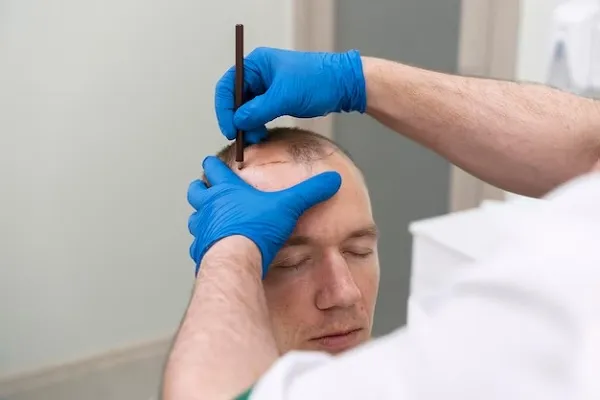
Patients often want to see hair transplant before and after results to assess effectiveness. These images reveal dramatic improvements and encourage many to choose this procedure. The key to success in a male hair transplant lies in the survival and growth of transplanted follicles, which continue to produce hair just like before.
This is why grafted hair typically remains permanent, offering a durable solution for hair loss. If you are considering a hair transplant for men, consult a specialist to explore whether a hair transplant is suitable for your needs.
When does male hair loss begin?
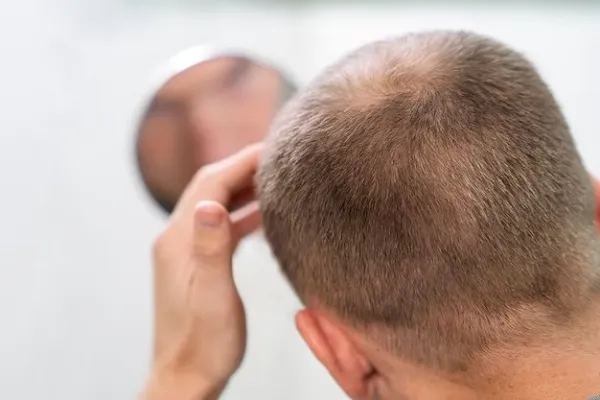
Male hair transplant procedures often become necessary when hair loss begins, and this process can start earlier than many men expect. Male hair loss can start as early as a man’s late teens or early twenties. Around the age of 21, some men may already notice signs of thinning hair. By the time they reach 50, approximately 50% of men will experience significant hair loss. This progressive condition can have both physical and emotional impacts.
The most common type of male hair loss is androgenic alopecia, commonly referred to as male pattern baldness. This form of hair loss is primarily influenced by both hereditary and hormonal factors. A hair transplant for men is often considered when over-the-counter treatments or medications prove ineffective. Genetics play a critical role—if your family has a history of male pattern baldness, you’re more likely to experience it too.
Hormones, particularly dihydrotestosterone (DHT), also play a major role. Typically, male pattern baldness starts with a noticeable recession at the temples or thinning at the crown of the head. As time progresses, these areas may expand and eventually connect, creating a larger bald region that can affect confidence and self-image.
In the most advanced stages, the hairline may recede significantly, or baldness may dominate the top of the scalp entirely. For individuals experiencing this pattern, male hair transplant techniques offer a reliable, long-term solution. These procedures restore hair naturally and are especially beneficial when started early. If you’re noticing early signs, consult a hair restoration expert to explore your options today.
What are the causes of male hair loss?
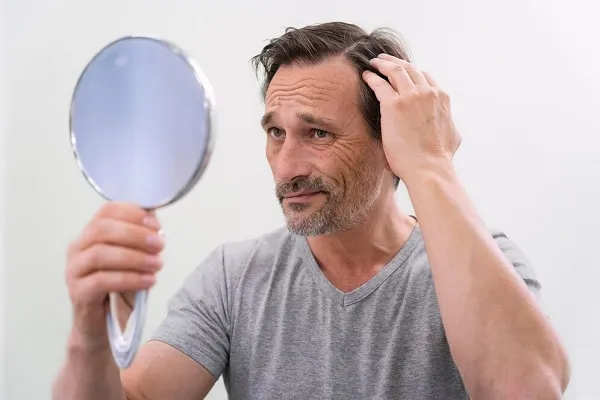
Male hair transplant procedures are often sought due to the high prevalence of male hair loss, medically referred to as androgenetic alopecia or male pattern baldness. This condition affects millions of men globally and is influenced by a combination of genetic, hormonal, lifestyle, and environmental factors. Understanding the root causes is essential for effective prevention and treatment. Below are the primary triggers and contributing elements to consider.
1- Genetics
Genetics is the most common cause of male hair loss. If your parents or grandparents experienced balding, chances are you may too. Hereditary hair loss typically follows a predictable pattern, starting with a receding hairline or thinning crown. This form of hair loss is due to inherited sensitivity to dihydrotestosterone (DHT), a hormone that gradually miniaturises hair follicles. Genetic hair loss usually progresses over time, making early diagnosis and intervention critical.
2- Hormones
Hormonal imbalances, particularly involving dihydrotestosterone (DHT), play a significant role in male pattern baldness. DHT is a byproduct of testosterone and, in genetically susceptible individuals, binds to receptors in the scalp follicles. This causes them to shrink and produce thinner, weaker hair until growth eventually ceases. This is also why many treatments target DHT directly. If you’re wondering how does a hair transplant work, it bypasses these affected follicles by implanting healthy ones from more resistant areas.
3- Age
Ageing naturally contributes to hair loss. As men grow older, hair growth slows, and follicles may stop producing new hairs altogether. By the age of 50, a significant number of men experience some degree of hair thinning or baldness. The ageing process also affects hair quality, making strands more brittle and prone to falling out. Age-related hair loss is gradual but inevitable for many men, prompting the need for long-term strategies like hair transplants.
4- Stress
Chronic or acute stress can significantly disrupt the hair growth cycle. When under stress, your body produces high levels of cortisol, a hormone that can prematurely push hair follicles into the resting telogen phase. Telogen effluvium, a temporary condition caused by stress, illness, or trauma, can lead to noticeable shedding. While hair may regrow once stress levels normalise, prolonged exposure can contribute to more permanent thinning, especially when combined with other risk factors.
5- Nutritional deficiencies
A poor diet lacking essential nutrients such as iron, zinc, biotin, and protein can lead to weakened hair structure and increased loss. Your hair needs a steady supply of vitamins and minerals to grow properly. Deficiencies disrupt the normal cycle and slow regeneration. Ensuring a balanced, nutrient-rich diet supports scalp health and reduces the risk of shedding. Supplements can help but should not replace whole foods in your daily routine.
6- Medical conditions
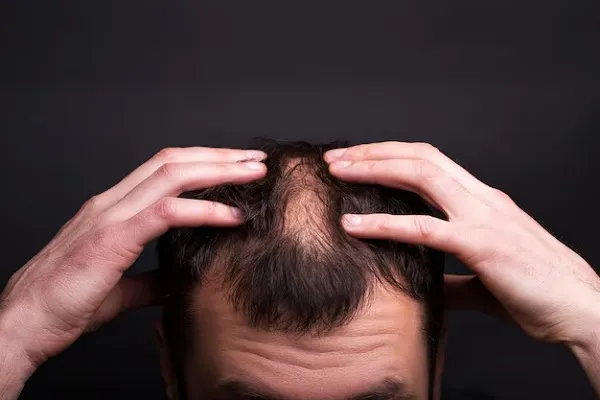
Underlying health issues can also result in hair loss. Thyroid disorders, autoimmune diseases like alopecia areata, and scalp infections such as ringworm may all contribute to thinning hair. Diagnosing and treating the medical condition early can sometimes reverse or limit the hair loss. In these cases, hair loss may not follow the typical male pattern, making medical evaluation essential. Blood tests and scalp biopsies are often used to identify the root issue.
7- Medications
Various prescription drugs list hair loss as a side effect. These include medications used for cancer treatment, high blood pressure, arthritis, and depression. Chemotherapy is the most well-known example, but even everyday medications can contribute to thinning. If you suspect a drug is affecting your hair, speak with your doctor. They may be able to adjust the dosage or recommend alternative treatments with fewer hair-related side effects.
8- Hairstyling practices
Tight hairstyles and excessive styling damage hair over time. Styles such as braids, ponytails, and cornrows create tension that weakens the follicles, leading to a condition called traction alopecia. Frequent use of heat tools, harsh dyes, and strong chemical treatments can further harm the scalp and hair structure. Over time, this cumulative damage can lead to permanent thinning or bald patches. Avoiding tight hairstyles and treating your hair gently helps preserve follicle health.
9- Smoking
Smoking reduces blood circulation to the scalp, depriving hair follicles of the oxygen and nutrients needed to thrive. Toxins in cigarette smoke also damage DNA in the hair follicles, accelerating hair loss. Several studies have found a strong link between smoking and early-onset baldness. Quitting smoking not only improves general health but can also support hair regrowth in some cases.
10- Anabolic steroids
The use of anabolic steroids can significantly increase the levels of DHT in the body. These steroids mimic testosterone, which then gets converted into DHT, the hormone responsible for shrinking hair follicles. Users of performance-enhancing drugs often experience accelerated hair thinning. This effect is especially pronounced in individuals with a genetic predisposition. Stopping steroid use may slow hair loss, but the damage is often irreversible without medical intervention.
11- Trauma and Traction Alopecia
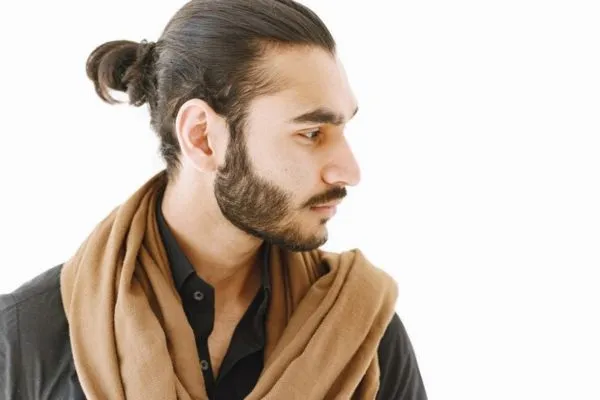
Physical trauma to the scalp—whether from surgery, injury, or prolonged pressure—can damage follicles. Traction alopecia is a form of hair loss caused by repeated tension on the hair, often due to styling or hair extensions. Over time, the stress breaks down follicle integrity, leading to patchy hair loss. Unlike genetic hair loss, traction-related cases can sometimes be reversed if caught early and the damaging behaviour is stopped.
How is the home post-hair transplant care for men?
Male hair transplant patients must follow a strict home care routine after the procedure to ensure optimal results and avoid complications. Proper aftercare at home significantly boosts the success of the transplant, supporting the healing process and encouraging healthy hair growth. Below are the essential post-operative hair care steps for men.
Gently wash your hair
Gently wash your hair after the initial 48-hour period. During the first two days, avoid any contact with water or shampoo. After that, start using a mild, sulfate-free shampoo with lukewarm water to gently cleanse your scalp. Take special care not to scrub or apply pressure. Instead, use a gentle patting motion to rinse and dry the scalp, helping the grafts settle securely. This gentle approach is particularly important in the first week.
Protect your hair from the sun
Shield your scalp from sun exposure, especially during the first month. Direct UV rays can negatively affect healing and lead to graft damage. Always wear a light, breathable hat or scarf when outdoors. Also, avoid saunas or tanning beds, which expose the scalp to heat and potential irritation.
Avoid swimming
Refrain from swimming for at least two weeks after your hair transplant to avoid exposing your scalp to harmful substances. Chlorinated pool water and salt from the ocean can both irritate the scalp and damage the delicate, newly implanted grafts. These environmental elements may delay healing or, in some cases, cause infections that compromise the final result. During this period, it’s best to prioritise rest, stay indoors when possible, and avoid unnecessary physical exertion. Keep your scalp dry and clean, and follow all aftercare instructions provided by your surgeon. Taking proper care during this phase is crucial for achieving impressive hair transplant before and after results.
Eat a healthy diet
Eat a balanced diet rich in vitamins and proteins to provide your scalp with the nutrients necessary for strong, healthy growth. After a hair transplant, your body needs the right fuel to heal and support new follicle development. Incorporate foods high in biotin, zinc, iron, and vitamins A, C, D, and E—such as leafy greens, eggs, nuts, berries, and fish. Protein is particularly important, as hair is primarily made of keratin, a protein that requires amino acids to form. Staying well-hydrated also helps keep your scalp healthy and improves circulation, which nourishes the follicles. Avoid processed foods, excess sugar, and alcohol, as they can slow down the recovery process and hinder new hair growth.
Comb your hair gently
Be mindful when brushing your hair — use a wide-toothed comb and never tug at the roots. Transplanted follicles are especially delicate in the first few weeks, and excessive tension or rough handling can dislodge grafts. Always start combing from the ends and work your way up to avoid pulling. Choose combs or brushes with soft, rounded tips that glide gently over the scalp. Avoid using heated styling tools or applying pressure near the transplanted area. When possible, let your hair air dry and style it with minimal manipulation. Treating your hair gently during the healing phase promotes better graft retention and overall results.
Do not use harsh chemicals
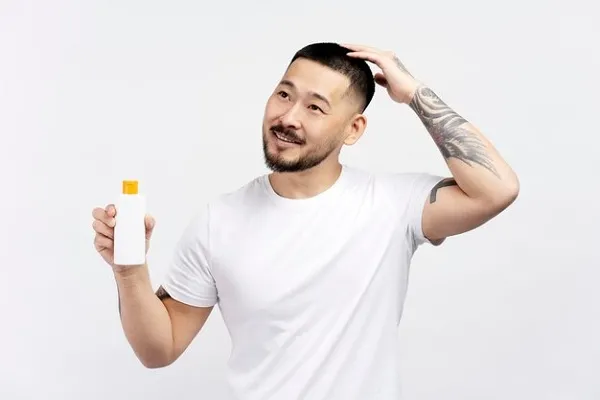
Avoid using harsh chemicals that can irritate or damage the delicate transplanted follicles. Steer clear of styling products such as gel, mousse, or hairspray during the healing phase. These substances can clog the pores and delay hair growth. If you must style your hair, wait at least 10 to 14 days post-surgery and choose gentle, alcohol-free products. FUE hair transplant patients, in particular, should remain cautious, as their follicles are even more sensitive in the early stages.
Conclusion
Male hair transplant is a highly effective solution for those struggling with hair loss. It offers a natural-looking result by using your own hair follicles, making it a popular choice for many men seeking to restore their confidence. Understanding the procedure, its benefits, and realistic expectations is essential before deciding to move forward.
The recovery process is generally straightforward, but it requires patience and proper care to ensure the best outcome. Advances in techniques have made the treatment less invasive, with minimal downtime. It is important to consult with a specialist who can provide personalised advice tailored to your specific needs.
Choosing the right clinic is crucial for a successful transplant. Expert surgeons and modern technology play a significant role in delivering excellent results. Every step, from consultation to aftercare, should be handled with professionalism and attention to detail.
If you are considering a male hair transplant, visiting our website at CapilClinic.uk is an excellent first step. Their experienced team can guide you through the process and help you regain a fuller head of hair with confidence. Don’t hesitate to explore your options and take action today.
At Capilclinic, we’re trusted by thousands of patients in the UK and Europe as a leading Hair Transplant Clinic in Turkey and Spain, known for our expert doctors, advanced facilities, natural hairline results, and affordable all-inclusive packages. Reach out to our team today to start your transformation.