



Hair transplantation has become a popular and effective solution for those seeking to regain their hair and confidence. However, the success of this procedure depends not only on the surgery itself, but also on aftercare and maintenance. Maintaining the results of a hair transplant requires a combination of specific care, healthy habits and constant medical follow-up. In this article, we will explore a number of practical and healthy tips to Maintaining Your Hair Transplant, ensuring it grows strong and healthy.
From proper scalp hygiene to the importance of a balanced diet, every aspect of post-transplant care is crucial to maximising the benefits of the procedure. Join us on this journey to discover how you can maintain and enhance the results of your hair transplant, enjoying beautiful, bouncy hair.
Understanding Hair Transplantation
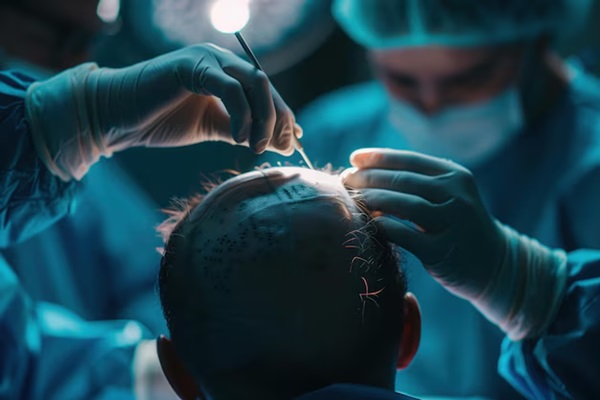
Hair transplantation is a surgical procedure that has gained popularity as an effective solution to hair loss. This procedure involves the relocation of hair follicles from a donor area, usually the back or sides of the scalp, to the areas affected by baldness. The two most common techniques are follicular unit extraction (FUE) and follicular unit transplantation (FUT).
- FUE (Follicular Unit Extraction): In this technique, follicles are removed one by one using a specialised instrument. This method is less invasive and leaves minimal scarring, allowing for faster recovery.
- FUT (Follicular Unit Transplantation): Here, a strip of scalp is removed from the donor area, from which the follicles are separated for implantation. Although this method may leave a linear scar, it allows a larger number of follicles to be transplanted in a single session.
Both techniques have their pros and cons, and the choice between them depends on factors such as the extent of hair loss, the quality of the donor hair and the patient’s preferences. It is crucial to have realistic expectations and to understand that the success of the transplant depends on both the skill of the surgeon and the postoperative care.
Immediate Post-Transplant Care
Immediate care after a hair transplant is essential to ensure a successful recovery and survival of the transplanted follicles. During the first few days, it is vital to follow the doctor’s instructions to the letter.
- Avoid touching or scratching: The transplanted area will be sensitive and any manipulation can damage the newly implanted follicles.
- Keep your head elevated: Sleeping with your head elevated helps reduce swelling and facilitates blood circulation.
- Medications: Take prescribed medications, such as antibiotics and painkillers, to prevent infection and manage pain.
- Avoid strenuous physical activity: For at least one week, it is advisable to avoid exercise that can increase blood pressure and cause bleeding in the transplanted area.
- Hair washing: Washing should be done very carefully, using a mild shampoo and following the doctor’s specific instructions. Generally, it is recommended not to wash the hair for the first few days and then to wash it gently without rubbing.
Scalp Hygiene and Care
Maintaining good scalp hygiene is vital to the long-term success of hair transplantation. During the first few weeks, the hair should be washed with a mild shampoo and lukewarm water, avoiding vigorous rubbing or massaging of the transplanted area.
- Recommended products: Use shampoos and lotions that do not contain harsh chemicals. Gentle, natural products are ideal to avoid irritation.
- Avoid excessive heat: Do not use high temperature hair dryers, irons or curling irons that may damage the transplanted follicles.
- Scalp protection: Protect the scalp from the sun by wearing hats or sunscreens specifically for the scalp. Direct exposure to the sun can cause damage and affect the growth of new hair.
- Moisturising: Keeping the scalp moisturised with doctor-recommended products can help prevent dryness and irritation.
Food and Nutrition
A balanced and nutrient-rich diet is essential for hair growth and maintenance after hair transplantation. Hair follicles need a variety of vitamins and minerals to grow healthily. Here are some key nutritional tips:
- Protein: Hair is primarily composed of keratin, a protein. Consuming enough protein through sources such as lean meat, fish, eggs, legumes and nuts is essential.
- Vitamins: Vitamins A, C, D and E, as well as B-complex vitamins (especially biotin), are crucial for hair health. These vitamins can be found in fruits, vegetables, dairy products and whole grains.
- Minerals: Minerals such as zinc, iron and magnesium play an important role in hair growth. Spinach, pumpkin seeds and seafood are good sources of these minerals.
- Omega-3 fatty acids: These fatty acids, found in oily fish such as salmon, walnuts and chia seeds, help keep the scalp hydrated and healthy.
- Hydration: Drinking enough water is vital to keep the scalp and hair hydrated. It is recommended to consume at least 8 glasses of water a day.
Healthy Lifestyle
A healthy lifestyle not only benefits your overall well-being, but is also crucial for hair transplant maintenance. Here are some important aspects to consider:
- Stress management: Stress can contribute to hair loss. Practising relaxation techniques such as meditation, yoga or deep breathing can help reduce stress.
- Regular exercise: Exercise improves blood circulation, which can benefit hair growth. It is best to get about 30 minutes of low-impact physical activity about four days a week.
- Adequate sleep: Getting enough sleep is essential for cell regeneration and hair health. Aim for 7-9 hours of sleep per night.
- Avoid tobacco and alcohol: Smoking and excessive alcohol consumption can negatively affect hair health. Reducing or eliminating these habits can significantly improve hair transplant results.
Avoiding Harmful Habits
To maintain the results of a hair transplant, it is important to avoid certain habits that can damage the hair and scalp:
- Don’t smoke: Smoking reduces blood flow to the scalp, which can affect hair growth. Quitting smoking is one of the best things you can do for your hair health.
- Reduce alcohol consumption: Alcohol can dehydrate the body and scalp, which can lead to dry, brittle hair. Limiting alcohol consumption can help keep hair healthy.
- Avoid excessive use of chemicals: Products such as dyes, perms and straighteners can damage hair. Opt for natural products and avoid harsh chemical treatments.
- Protect hair from heat: Frequent use of hair dryers, straighteners and curling irons can damage hair. Try to limit the use of these devices and use heat protectors when necessary.
Hair Protection
Protecting transplanted hair from environmental factors and other damage is crucial to ensure healthy hair growth. Here are some recommendations to protect your hair:
- Sun protection: Prolonged exposure to the sun can damage the scalp and hair follicles. Wear hats or caps when outdoors and apply scalp-specific sunscreen.
- Avoid chlorine and salt water: Chlorine from swimming pools and salt water from the sea can be harmful to transplanted hair. If you swim, wear a swimming cap and rinse your hair with fresh water immediately afterwards.
- Careful styling: Avoid combing your hair hard or using fine-toothed combs that can pull out the follicles. Opt for wide-toothed combs and brush gently.
- Avoid excessive heat: Frequent use of hair dryers, straighteners and curling irons can damage hair. If you need to use these devices, set the temperature to low or medium and use heat protectors.
Complementary Treatments and Therapies
In addition to basic care, there are several complementary treatments and therapies that can help to improve the results of hair transplantation:
- PRP (Platelet Rich Plasma) therapy: This treatment involves the injection of platelet-rich plasma into the scalp to stimulate hair growth. PRP contains growth factors that can improve the health of hair follicles.
- Low level laser: Low level laser therapy (LLLT) can help increase blood circulation to the scalp and stimulate hair growth. This treatment is non-invasive and can be performed at home with approved devices.
- Hair massages: Regular scalp massages can improve blood circulation and promote a healthy environment for hair growth. Use essential oils such as rosemary oil or peppermint oil to enhance the benefits.
- Natural treatments: Applying natural treatments such as aloe vera masks, coconut oil or castor oil can help nourish and strengthen hair.
Medical Monitoring
Regular medical follow-up is essential to monitor the progress of the hair transplant and make necessary adjustments to the treatment:
- Regular visits to the dermatologist: Schedule regular appointments with your dermatologist to assess hair growth and scalp health. The doctor may recommend additional treatments or adjustments to your care routine.
- Monitor progress: Keep track of hair growth and any changes in scalp health. This can help you identify problems early and address them in a timely manner.
- Frequently asked questions: Don’t hesitate to ask your doctor questions about any concerns you have. It is important to be well informed and follow professional recommendations to ensure a successful transplant.
Conclusion
Hair transplantation is an effective and long-lasting solution to hair loss, but its success depends largely on aftercare and maintenance. Throughout this article, we have explored a number of practical and healthy tips that can help you maximise the benefits of your hair transplant. From understanding the procedure and immediate post-operative care, to the importance of a balanced diet and healthy lifestyle, every aspect of post-transplant care is crucial to ensuring strong, healthy hair growth.
In addition, protecting your hair from environmental factors, avoiding harmful habits and considering complementary treatments can significantly improve your results. Don’t forget the importance of regular medical follow-up to monitor your progress and make any necessary adjustments to your care routine.
Maintaining healthy, beautiful hair after a hair transplant requires dedication and commitment, but the results are worth it. By following these tips and working closely with health professionals, you can enjoy hair full of life and renewed confidence. Remember that each person is unique, and what works for one may not be ideal for another, so it is essential to personalise your approach and always consult with your doctor for the best recommendations.