



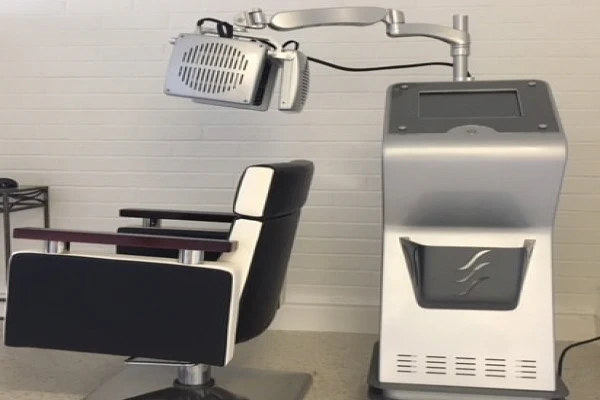
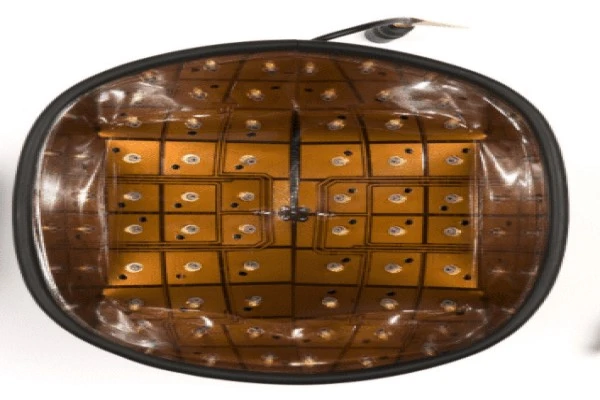
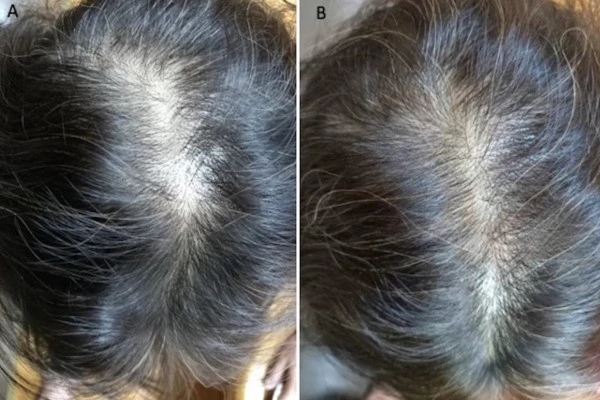
Low-level laser therapy, also known as LED therapy or light emitting diode therapy, has emerged as a promising and safe option for treating hair loss. This innovative approach aims to prevent hair loss and potentially stimulate hair growth. While scientific research is limited, some studies suggest that it may increase hair counts by up to 39%. However, it’s important to note that the clinical outcomes vary.
You may also be interested: Scalp Changes and Treatments
Facts on LLLT for Hair Loss
LLLT as an Adjunct Treatment
In the realm of hair loss disorders, low-level laser therapy should be considered as an additional treatment rather than a standalone solution. It complements medical and surgical therapies, such as anti-androgens, platelet-rich plasma (PRP), and follicular unit extraction. By combining these approaches, individuals have a higher chance of achieving desirable results.
Preserving Existing Hair Follicles
Early intervention and effective management of hair loss play a crucial role in preserving the existing hair follicles. LLLT can be part of a comprehensive treatment plan to slow down the progression of hair loss and maintain the integrity of the remaining hair.
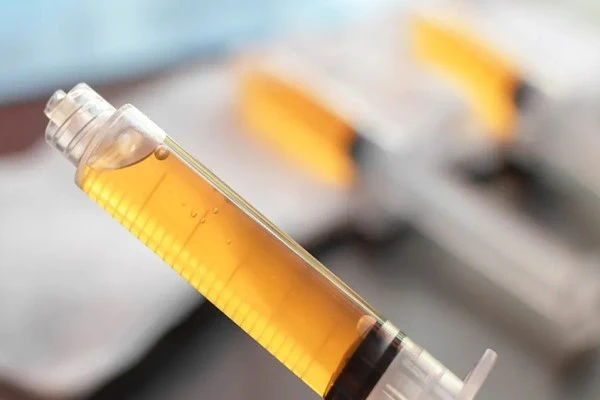
The Power of Combination: LLLT and Platelet Rich Plasma
One highly effective combination worth exploring is the synergy between low-level laser therapy and platelet-rich plasma injections. When these two treatments are combined, they can potentially enhance hair growth and improve the overall condition of the scalp. Consulting with a medical dermatologist can help determine the most suitable and effective pathway based on individual needs and circumstances.
Optimal Responses of Different Hair Loss Types to Low-Level Lasers
Low-level lasers have demonstrated effectiveness in managing various forms of hair loss. The following types of hair loss have shown positive responses to this treatment:
Female Pattern Hair Loss
Low-level lasers have shown promise in addressing female pattern hair loss, a condition characterized by thinning hair in women. By stimulating hair follicles, these lasers can potentially promote hair growth and improve the overall density of the hair.
Male Pattern Hair Loss
Men experiencing male pattern hair loss, which involves receding hairline and thinning crown, may benefit from low-level laser therapy. The lasers target the affected areas, potentially revitalizing the hair follicles and supporting regrowth.
Alopecia Areata
Alopecia areata is an autoimmune condition that causes patchy hair loss. While the exact mechanisms are not fully understood, low-level laser therapy has been shown to have a positive impact on stimulating hair growth in individuals with alopecia areata.
Telogen Effluvium
Telogen effluvium is a temporary form of hair loss caused by physical or emotional stress, medication, hormonal changes, or nutritional deficiencies. Low-level lasers can help accelerate the hair growth cycle, aiding in the recovery from telogen effluvium and restoring hair density.
Lichenoid Disorders, including Frontal Fibrosing Alopecia
Lichenoid disorders, such as frontal fibrosing alopecia, involve inflammation and scarring of the hair follicles. Low-level laser therapy has shown potential in reducing inflammation, improving blood circulation, and promoting healthier hair growth in individuals with these conditions.
How do lasers for hair regrowth function?
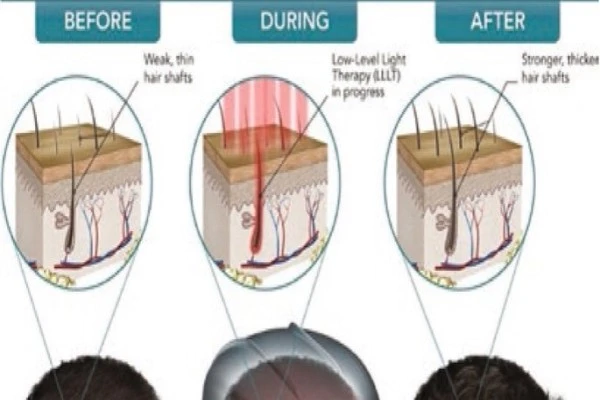
Laser therapy, including low-level laser therapy (LLLT), operates through various mechanisms to reduce hair loss and promote hair regrowth. The following processes explain how lasers can have a positive impact on hair restoration:
Prolonging the Anagen Cycle
Lasers have the ability to extend the growth phase of the hair follicles, known as the anagen cycle. By prolonging this phase, lasers help maintain the existing hairs, preventing their premature shedding and future hair loss.
Stimulating Telogen Hairs
Telogen hairs are in a resting phase and do not actively grow. Laser therapy can stimulate these dormant hairs, encouraging them to transition into the anagen phase and initiate new growth.
Activation of Stem Cells and Dermal Papillae
Lasers have shown the ability to stimulate and activate stem cells within the hair follicles. These stem cells play a crucial role in the regeneration of new hair. Additionally, lasers can also target the dermal papillae, which are responsible for nourishing the hair follicles. Stimulation of these components promotes the development of new, healthy hair strands.
Reduction of Inflammation
Inflammation can contribute to hair loss by damaging hair follicles and disrupting their growth cycle. Laser therapy has anti-inflammatory properties, reducing inflammation in the scalp and creating a favorable environment for hair regrowth.
Stimulation of Cytokines and Growth Factors
Laser therapy can trigger the production and release of cytokines and growth factors in the scalp. These substances play a vital role in regulating the hair growth cycle and promoting the development of new hair follicles.
Possible Side Effects of Low-Level Laser Therapy (LLLT)
Low-level laser therapy, utilizing low-energy light, is generally considered safe. However, it is not completely free of potential side effects. The reported side effects of LLLT are typically mild and transient. They may include:
Transient Itchiness of the Treated Area
Some individuals may experience temporary itching or a mild sensation of itchiness in the area where LLLT is applied. This discomfort usually subsides quickly and does not cause any long-term issues.
Transient Acne-like Eruptions
In rare cases, LLLT can lead to temporary acne-like eruptions on the treated area of the scalp. These eruptions typically resolve on their own without any intervention.
Reactivation of the Cold Sore Virus (Herpes Simplex)
Extremely rare instances have been reported where LLLT can reactivate the cold sore virus (herpes simplex) in individuals who are already prone to cold sores. However, this occurrence is highly uncommon.
Flare-up of Melasma
Another very rare side effect is the potential for a flare-up of melasma, a condition characterized by patches of darkened skin. However, this reaction is extremely uncommon and typically associated with specific wavelengths of light not typically used in LLLT for hair treatment.
It’s important to note that dermatologists are generally not overly concerned about the majority of potential phototoxic reactions associated with LLLT. This is because most of these reactions occur with shorter wavelengths of light, such as long wave UVA and blue light. LLLT for hair treatment primarily utilizes wavelengths in the range of 600+ to 1000 nm, which significantly reduces the risk of such reactions.
If any side effects occur during or after LLLT, it is recommended to consult with a healthcare professional or dermatologist. They can provide guidance, address concerns, and ensure appropriate management if necessary.