



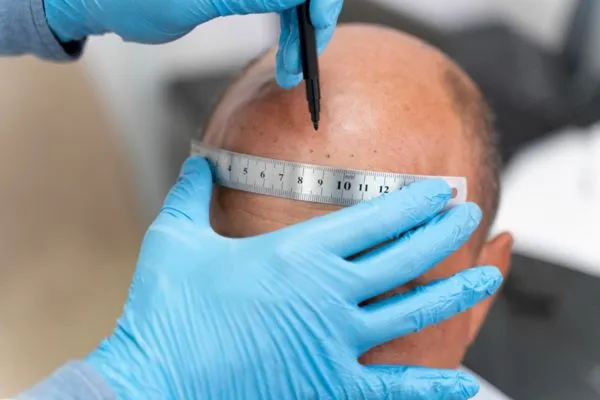
Fortunately, advances in medical science are providing new hope. One such innovation gaining momentum in the world of hair restoration is stem cell hair transplantation. This promising procedure offers a minimally invasive and biologically natural approach to hair regrowth.
What Is a Stem Cell Hair Transplant?
Stem cell hair transplants, a relatively new approach in hair restoration, utilize stem cells to stimulate hair growth in areas of hair loss or thinning. This involves extracting stem cells from the patient’s body (often from fat tissue or bone marrow) and injecting them into the scalp to potentially regenerate or activate hair follicles.
Stem cells are unique in that they can differentiate into various types of cells and also replicate themselves. When used for hair restoration, stem cells can rejuvenate damaged follicles, prolong the hair growth cycle, and even generate new follicular structures, making them an exciting alternative to traditional surgical transplants.
The Science Behind Stem Cell Hair Restoration
Unlike follicular unit transplantation (FUT) or follicular unit extraction (FUE), which relocate healthy hair follicles from one part of the scalp to another, stem cell therapy works on a cellular level. It harnesses the regenerative capacity of mesenchymal stem cells (MSCs) found in adipose tissue, bone marrow, and even the scalp itself to repair, activate, and rejuvenate hair follicles.
Key Mechanisms at Play:
- Cellular regeneration: Stem cells can differentiate into various types of cells needed to support follicular regeneration.
- Angiogenesis stimulation: They promote blood vessel formation, improving oxygen and nutrient supply to hair follicles.
- Anti-inflammatory effects: They reduce inflammation around hair follicles, which can contribute to improved scalp health.
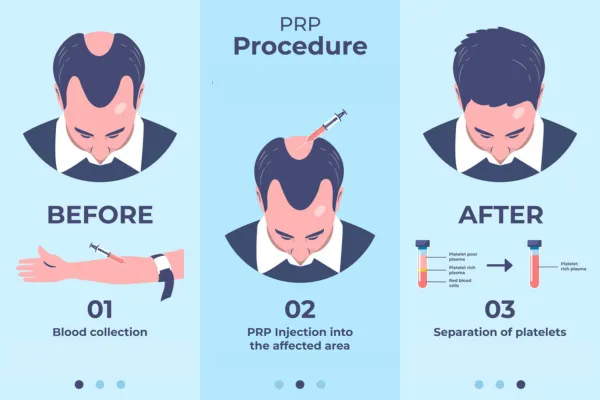
- Wound healing: Stem cells accelerate healing in the scalp, especially when used alongside micro-needling or PRP.
Together, these biological effects contribute to enhanced hair density, thicker hair shafts, and a healthier scalp environment.
Step-by-Step: How the Procedure Works
- Consultation and Evaluation
Every patient starts with a comprehensive scalp analysis and consultation. Factors like pattern of hair loss, scalp health, medical history, and lifestyle are assessed to determine suitability for stem cell treatment.
- Harvesting Stem Cells
Stem cells are most commonly extracted from:
- Adipose (fat) tissue: Typically taken from the abdomen or thigh using a minimally invasive liposuction technique.
- Bone marrow: Drawn from the pelvic bone using a fine needle.
These tissues are rich in mesenchymal stem cells, which are ideal for regenerative treatments.
- Processing
The collected tissue undergoes mechanical or enzymatic processing in a centrifuge to isolate and concentrate the stem cells, often into a solution known as a stromal vascular fraction (SVF).
- Injection into the Scalp
The concentrated stem cell solution is injected into the affected areas of the scalp, particularly where hair thinning is visible. Some clinics combine this step with microneedling or platelet-rich plasma (PRP) to enhance results.
- Post-Treatment Care
Post-procedure care is minimal. Most patients can return to their normal routine the next day, with only minor scalp redness or sensitivity that resolves within a few days.
What Kind of Results Can You Expect?
While results can vary by individual, most patients experience:
- Noticeable hair thickening within 3 to 6 months
- Improved hair density and volume
- Healthier, shinier hair
- Slower hair loss progression
Some studies and clinical cases have shown hair density increases of 29% to 30% within six months of treatment. However, full results often take up to 12 months to become fully visible.
It’s important to note that stem cell hair transplants work best in the early to moderate stages of hair loss and are less effective for completely bald areas, where follicular grafting (e.g., FUE or DHI) might be more appropriate.
Who Is a Good Candidate for Stem Cell Hair Transplants?
You may be an ideal candidate if you:
- Are experiencing early-stage hair thinning rather than full baldness
- Want a natural, non-surgical treatment option
- Have sufficient donor fat or bone marrow tissue
- Are not pregnant, breastfeeding, or undergoing cancer treatment
- Have realistic expectations about outcomes
Cost of Stem Cell Hair Transplants: What to Expect
The cost of stem cell hair transplants can be significant, potentially ranging from $700 to $12,000 per session. The final price depends on:
- Number of sessions required
- Method of stem cell extraction (fat vs. bone marrow)
- Clinic location and medical infrastructure
- Experience of the surgeon
- Any additional therapies (e.g., PRP, laser therapy)
In the UK or US, prices are typically at the higher end of the spectrum, often exceeding $10,000. However, Turkey is known for offering world-class medical expertise at a more accessible cost.
Why Choose Capilclinic for Your Hair Transplant?
Capilclinic is a leading name in hair restoration in Turkey, known for combining cutting-edge technology with medical excellence and personalized care. When you choose Capilclinic, you benefit from:
- Internationally accredited surgeons with expertise in FUE/DHI techniques
- State-of-the-art medical equipment and lab processing technology
- Transparent pricing with no hidden fees
- Dedicated patient coordinators and English-speaking staff
- Post-treatment monitoring and virtual follow-ups
Thousands of patients from across Europe and the Middle East trust Capilclinic to deliver safe, effective, and long-lasting hair restoration solutions.
FAQs: Stem Cell Hair Transplants
- Is the procedure safe?
Yes, stem cell hair transplants are considered safe when performed by qualified professionals. Since the stem cells come from your own body, there’s a very low risk of allergic reactions or rejection.
- Are there any side effects?
Most side effects are mild and temporary, such as:
- Swelling or redness at the injection site
- Mild soreness in the donor area
- Temporary scalp sensitivity
These typically resolve within a few days.
- How long does each session last?
On average, one session takes between 2 to 4 hours, depending on the amount of tissue being harvested and processed.
- Will I need multiple sessions?
Some patients see great results with one session, while others may require 2–3 treatments over a 12-month period, depending on the extent of hair thinning and their biological response.
- Can it be combined with other treatments?
Yes, many clinics combine stem cell therapy with:
- PRP (Platelet-Rich Plasma)
- Microneedling
- Low-Level Laser Therapy (LLLT)
- Topical Minoxidil or oral medications
These combinations may enhance overall outcomes.
- Is it better than FUE?
Not necessarily. It depends on your condition. FUE is more suitable for patients with extensive hair loss, while stem cell therapy is ideal for early intervention and prevention. A consultation will help determine the best option or a combination of both.
At Capilclinic, we’re trusted by thousands of patients in the UK and Europe as a leading Hair Transplant Clinic in Turkey and Spain, known for our expert doctors, advanced facilities, natural hairline results, and affordable all-inclusive packages. Reach out to our team today to start your transformation.