



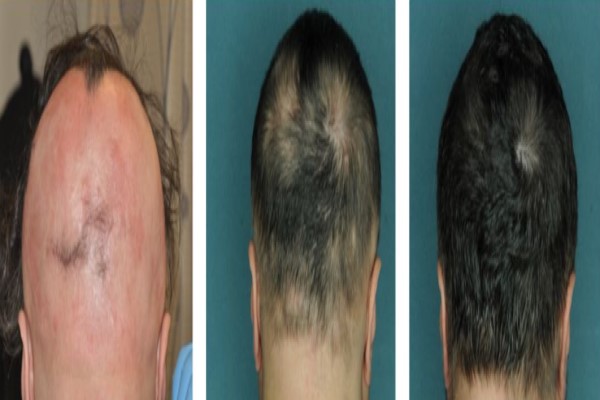
Alopecia areata is a condition characterized by recurrent episodes of hair loss, caused by the body’s immune system attacking hair follicles. It can affect any part of the body with hair, and the severity ranges from patches of hair loss to complete baldness. This disorder primarily affects young individuals and has a strong genetic component. The disease follows a pattern of flares and remissions, making it dynamic in nature. Next we will talk about Jak Inhibitors for Alopecia Areata.
The selection of treatments for individuals with alopecia areata depends on factors such as the patient’s age, the extent of hair loss, and its impact on their life. Several therapeutic options are available, including camouflage techniques and topical therapies like immunotherapy and corticosteroids. In more severe cases, systemic treatments like hydroxychloroquine may be considered. However, these treatments are off-label and have shown limited effectiveness. Moreover, severe hair loss can contribute to psychological disorders in individuals with alopecia areata.
You may also be interested: How To Style Each Type of Hair?
Breakthrough Treatment with Janus Kinase Inhibitors
The introduction of Janus kinase (JAK) inhibitors has marked a significant milestone in the treatment of alopecia areata, which is a common autoimmune disease. Although these inhibitors only provide temporary relief, with hair loss recurring after therapy discontinuation, even patients with long-standing and treatment-resistant alopecia areata have experienced remarkable hair regrowth.
This has had a profoundly positive impact on the quality of life for affected individuals. However, it is crucial to emphasize the need for well-designed studies that meet evidence-based medicine standards to confirm the efficacy of JAK inhibitors. Additionally, it is essential to remain cautious about potential risks associated with these inhibitors. The enthusiasm surrounding JAK inhibitors should not overshadow the need for responsible use, as they may carry adverse effects. Careful consideration should be given to avoid inappropriate use in patients for whom it would be ill-advised.
Experts advocate for a cautious approach to systemic therapy involving JAK inhibitors, particularly due to the insufficient establishment of their long-term adverse effects. While concerns about potential risks may appear theoretical, it is crucial to make informed and responsible treatment decisions by considering the risk, cost, and benefit. It’s important to note that alopecia areata, despite the emotional distress it causes, is not a life-threatening condition. Additionally, JAK inhibitors are prohibitively expensive, further emphasizing the need for careful evaluation before their use.
Understanding the Mechanism of there Inhibitors
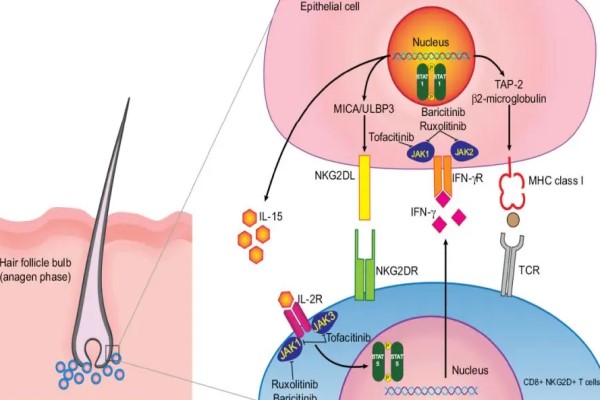
The therapeutic effectiveness of JAK inhibitors lies in their broad anti-inflammatory activities, which result from blocking multiple signaling pathways used by various cytokines. This action leads to a reduced number and activity of T cells, dendritic cells, and NK cells, as well as the suppression of macrophage activation. The broad range of potential adverse effects associated with different JAK inhibitors is due to this mechanism. These effects include severe infections caused by bacteria, fungi, mycobacteria, and viruses (e.g., recurrent herpes zoster) and even an increased risk of developing malignancies, likely due to impaired immune surveillance against tumors.
Alopecia areata poses a challenge for both patients and healthcare providers. The emergence of JAK inhibitors as a treatment option has brought hope for those struggling with this condition. However, it is essential to exercise caution, considering the lack of long-term safety data and the potential risks involved. Responsible decision-making and comprehensive evaluation are crucial to ensure the well-being of individuals with alopecia areata.
Unveiling the Dangers
In the realm of Alopecia Areata treatment, Janus Kinase (JAK) inhibitors have emerged as a groundbreaking solution in recent years. Unlike traditional immunosuppressants that suppress the entire immune system, JAK inhibitors such as Tofacitinib and Ruxolitinib target a specific biochemical pathway known as the Janus Kinase pathway. This pathway is implicated in the autoimmune response observed in Alopecia Areata.
By selectively modulating the immune system, these inhibitors effectively suppress the malfunctioning JAK pathway in Alopecia Areata patients while leaving the rest of their immune system intact. Prior to their application in Alopecia Areata, JAK inhibitors were primarily used for treating other autoimmune disorders like Rheumatoid Arthritis, Psoriatic Arthritis, Ulcerative Colitis, and rare blood cancers.
As with any medication, particularly oral immunosuppressants, it is vital to consider the potential risks before initiating treatment with JAK inhibitors. Although JAK inhibitors are generally well-tolerated by patients, this does not negate the associated risks. It is understandable that individuals with Alopecia Areata are eager to restore their hair growth and are willing to explore various options.
Nevertheless
It is essential to acknowledge and assess the risks connected to any medication, especially JAK inhibitors, prior to their usage. The prescribing physician, typically a dermatologist, must evaluate these risks to ensure the safe administration of the drug. Throughout the treatment process, the physician will continually monitor the patient for any potential risks.
While uncommon, patients undergoing JAK inhibitor therapy, such as Tofacitinib and Ruxolitinib, face an elevated risk of certain complications. These may include severe infections, malignancies such as lymphoma and other lymphoproliferative disorders, and elevated liver enzymes detected in the bloodstream. Individuals with acute or chronic liver damage are advised against using JAK inhibitors due to the risk of drug-induced liver damage.
Health Canada, the national government agency responsible for drug safety in Canada, has also found a connection between JAK inhibition using Tofacitinib and venous thromboembolic events. These events manifest as blood clots in the veins of the limbs or as pulmonary embolisms, which are blood clots in the lungs. A potential association between VTE and Ruxolitinib exists as well. It is important to note that although most patients who experienced a VTE while taking JAK inhibitors had at least one cardiovascular risk factor, it is crucial to evaluate this risk for all patients considering JAK inhibitor treatment.
Conclusion
JAK inhibitors have exhibited significant potential as a novel Alopecia Areata treatment, particularly for individuals with severe and longstanding forms of the condition, such as Alopecia Totalis and Universalis. While the primary goal of treatment is hair regrowth, ensuring patient safety remains paramount. To guarantee patient well-being, a comprehensive assessment of the associated risks is necessary to determine the suitability of the treatment. Engaging in an open and thorough discussion with a dermatologist regarding the risks linked to JAK inhibitors is essential to make an informed decision regarding their appropriateness for each individual.