



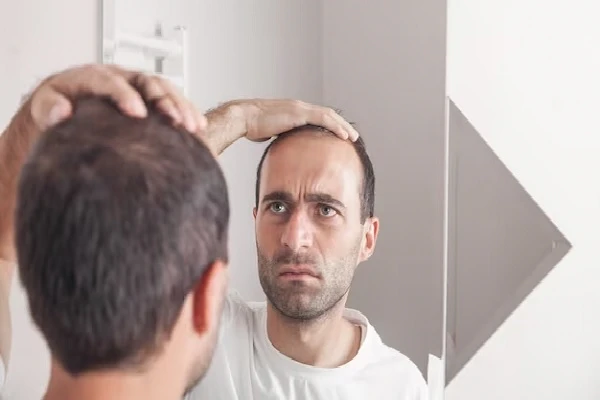
Baldness poses a significant concern for numerous individuals globally. The apprehension of progressing hair loss leading to complete baldness is widespread, prompting various research endeavours solely aimed at eradicating baldness definitively. In this article, we will talk about whether there is a cure for baldness. Scientific advancements have successfully addressed this concern.
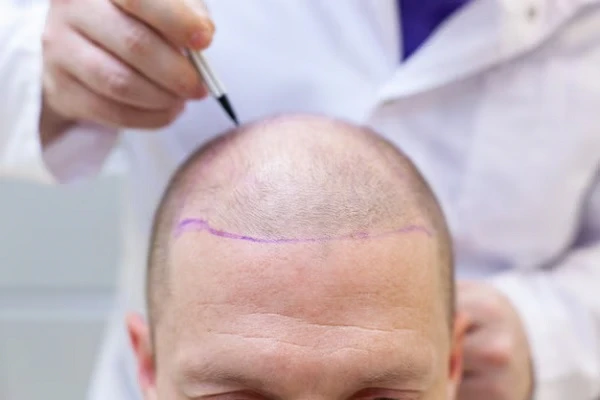
One notable method involves hair micrografts through transplantation. In this procedure, healthy follicles from the dorsal and lower lateral areas serve as donors for regions with limited or no hair density. This effectively eliminates the absence of hair in targeted areas. The process entails extracting, counting, and organizing the follicles, which are then implanted into hair-depleted regions through small incisions. These incisions allow the follicles to heal completely within a few days, facilitating the growth of a new, robust follicle in its new location. This innovative system counteracts baldness by generating new follicles in previously hairless areas.
Different Types Of Baldness
Various forms of hair loss exist, each with distinct characteristics and causes. Here are several types of baldness:
Androgenetic Alopecia
This common genetic condition is characterized by a gradual reduction in hair follicle size, leading to thinner, shorter hair and eventual follicle dormancy. It affects both men and women, with distinctive male and female hair loss patterns.
Alopecia Areata
An autoimmune disorder where the body’s immune system mistakenly attacks its hair follicles, resulting in sudden, unpredictable hair loss in round patches. It can sometimes progress to total scalp or body hair loss (alopecia totalis or alopecia universalis).
Traction Alopecia
Prolonged tension on the hair, typically from tight hairstyles, braids, or hair extensions, causes gradual hair loss. Over time, this constant pulling damages the hair follicles, often leading to hair loss along the frontal hairline and temples.
Telogen Effluvium
Significant stress, illness, hormonal changes, or certain medications trigger telogen effluvium, which disrupts the normal hair growth cycle. More hair follicles than usual enter the resting (telogen) phase, resulting in sudden and widespread shedding.
Cicatricial Alopecia
A group of rare disorders characterized by inflammation and scarring permanently destroys hair follicles. Known as scarring alopecia, this baldness prevents hair regrowth and may result from various conditions, including autoimmune diseases.
Trichotillomania
An impulse control disorder where individuals compulsively pull out their own hair, often as a response to stress or anxiety. This repeated pulling can lead to noticeable hair loss and may require behavioural therapy for management.
Chemotherapy-Induced Alopecia
Commonly associated with cancer treatments like chemotherapy, this type of hair loss occurs due to the toxic effects of the drugs on rapidly dividing cells, including hair follicles. Hair loss is temporary, and regrowth usually begins after treatment concludes.
Anagen Effluvium
Anagen effluvium primarily results from cancer treatments such as chemotherapy and radiation. It affects actively growing hair follicles, leading to sudden and severe hair shedding and complete hair loss. Hair may regrow after treatment stops.
Understanding the nuances of each type of baldness is crucial for accurate diagnosis and effective treatment planning. Consult a healthcare professional or dermatologist for personalized advice and guidance based on your circumstances.
How is the Cure for Baldness?
Groundbreaking research conducted at the Indiana University of Medicine in the United States has recently revealed a promising solution to alopecia and a cure for baldness. This involves using implanted stem cells to cultivate skin tissue containing hair follicles. Following this discovery, leading clinics worldwide adopted this revolutionary technique to remedy baldness.
Among these clinics is Capilclinic, which is known for providing stem cell treatments. They skillfully implant regenerative cells from various parts of the patient’s body into the scalp. This process revives hair follicles in previously dormant areas, effectively curing baldness. Specialized doctors at the centre have rigorously tested this procedure.
After carefully examining each patient’s unique case and confirming their suitability for this treatment, the specialist explains the procedures involved, ensuring clarity for the patient before the operation.
Why choose Capilclinic?
Discover Capilclinic’s unique approach. Offering personalized packages to patients in Spain and beyond, including centres in France and the United Kingdom, renowned Turkish professionals bring their expertise to clinics in major cities across these countries. This group of doctors specializing in hair grafting and transplants turns a once unimaginable solution to baldness into reality.
Capilclinic provides advanced treatments and interventions to remedy baldness. For detailed information or inquiries, contact our customer service team via the telephone numbers or email addresses provided on our official website.
Lifestyle Changes That May Help Prevent Baldness
Promoting a healthy lifestyle can contribute to preventing or minimizing the risk of baldness. Consider these lifestyle changes:
Nutrient-Rich Diet
Consume a well-rounded diet rich in essential nutrients for hair health. Include biotin sources like eggs, nuts, and seeds; iron from lean meats and leafy greens; and omega-3 fatty acids from fish and flaxseeds.
Scalp Hygiene
Maintain a clean and moisturized scalp. Use a mild, sulfate-free shampoo and conditioner to prevent irritation. Regular scalp massages can stimulate blood flow to the hair follicles.
Regular Exercise Routine
Remember to establish a regular exercise routine that includes both cardiovascular exercises, such as running, swimming, or cycling, and strength-training exercises, such as weightlifting or bodyweight exercises. Engaging in regular physical activity promotes overall health and helps to improve blood circulation throughout the body, including the scalp. Improved blood circulation is essential for delivering vital nutrients to the hair follicles, which in turn promotes healthier hair growth and overall scalp health.
Stress Reduction Practices
Incorporating stress management techniques into your everyday schedule can be beneficial for addressing chronic stress that may be linked to specific types of hair loss. Engage in activities like meditation, yoga, or deep breathing exercises. These practices can help reduce stress’s impact on your body and potentially mitigate its effects on hair health.
Prioritize Quality Sleep
Make sure to prioritize getting between 7 and 9 hours of uninterrupted and restful sleep each night. Quality sleep is essential for allowing the body to carry out important repair processes, which also play a role in maintaining healthy hair.
Gentle Hair Handling
Remember to avoid hairstyles like braids, tight ponytails, and buns that constantly pull on the hair, as this can lead to a condition called traction alopecia. Instead, opt for looser hairstyles and use hair accessories like scrunchies or butterfly clips that are gentle on the hair. They won’t cause damage from constant pulling and tension on the hair shafts.
Limit Heat Styling
To minimize damage to your hair, it’s best to limit the use of heated styling tools such as flat irons and curling wands. When you do use them, be sure to apply a heat-protectant product to your hair beforehand. This helps to create a barrier between the heat and your hair cuticle, reducing the risk of damage and keeping your hair healthier in the long run.
Adequate Hydration
Consuming an adequate amount of water throughout the day is important for maintaining good hydration. Proper hydration plays a crucial role in supporting overall well-being, including hair health.
Regular Hair Assessments
Periodically assess the condition of your hair and scalp. Look for any changes in thickness, texture, or unusual symptoms. Early detection can be vital in addressing potential issues.
Quit or Avoid Smoking
Quitting smoking or abstaining from tobacco products can have a beneficial impact on hair health. This is because smoking has been scientifically linked to hair loss, and eliminating exposure to tobacco can help promote better overall hair condition.
While adopting these detailed lifestyle changes, it’s essential to recognize that individual factors. Include genetics and specific health conditions that can influence hair health. If concerns about hair loss persist, seeking advice from a healthcare professional or dermatologist is recommended for personalized guidance and potential interventions.
Factors to Evaluate When Selecting a Hair Loss Treatment
In the quest to address baldness, you must consider several important factors before making any decisions. Familiarizing yourself with these key considerations can empower you to make a well-informed choice that aligns with your individual requirements.
Individual Needs and Goals
Assess your personal preferences and expectations. Consider whether you are looking for a temporary or more permanent solution. Your unique requirements will influence the most suitable treatment.
Treatment Effectiveness
Research and gather information about the effectiveness of different treatments. Look for success rates, testimonials, and scientific evidence supporting the chosen method. Understanding the potential outcomes is crucial in making an informed decision.
Medical Consultation
Prioritize a consultation with a healthcare professional specializing in hair loss. They can provide valuable insights into the causes of your baldness and recommend personalized treatments based on your medical history and current health condition.
Safety Profile
Consider the safety aspects of the chosen treatment. Investigate potential side effects and risks associated with each option. Opt for treatments with a proven safety profile to minimize adverse reactions.
Budgetary Considerations
Evaluate the cost of the treatments and assess your budget constraints. Different treatments have varying price tags, and it is essential to choose an option that aligns with your financial capacity while still meeting your expectations.
Time Commitment
Understand the time requirements of each treatment. Some approaches may necessitate ongoing maintenance, while others offer a more time-efficient solution—factor in your lifestyle and commitments to ensure compatibility with the chosen treatment plan.
Available Resources
Consider the available resources such as clinics, specialists, and support systems for the chosen treatment. Accessibility can impact the overall convenience and success of the selected baldness treatment.
Patient Reviews and Feedback
Explore reviews and feedback from individuals who have undergone the chosen treatment. Real-life experiences can provide valuable insights into each option’s effectiveness, satisfaction levels, and challenges.
Long-Term Considerations
Anticipate the long-term implications of the chosen treatment. Assess whether the results are sustainable and whether follow-up procedures or maintenance are necessary for continued success.
By carefully considering these factors, you can make a well-informed decision tailored to your unique circumstances and preferences when choosing a treatment for baldness.