



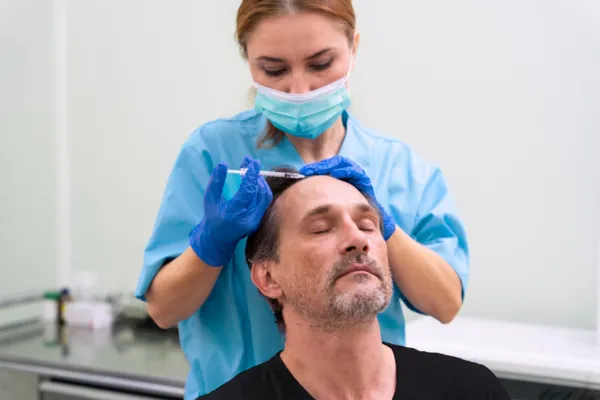
Short answer: yes, most people describe the procedure itself as essentially pain-free. That’s because your scalp is numbed with local anaesthesia, so you feel pressure or tugging but not pain. You may feel a quick sting from the first injections, but once numb, you’re comfortable. Modern options like needle-free anaesthesia devices and light sedation make the whole day smoother—and recovery discomfort is usually mild and short-lived.
What “pain-free” really means
During the procedure:
You’re awake, relaxed, and the area is numb. People notice pressure, vibration, or gentle tugging during graft extraction and placement—not sharp pain. The first seconds of anaesthetic can pinch or sting; this passes quickly. Many clinics also offer sedation, so you can doze through the day.
Right after:
Expect tightness, mild soreness, or a “sunburn” feeling around donor/recipient areas for a few days. Simple pain relief and careful aftercare are usually enough.
How clinics reduce discomfort step-by-step
1 – Local anaesthesia, tailored to you
The anaesthetist numbs the donor and recipient zones and tops up as needed so the area stays comfortable throughout.
2 – Needle-free anaesthesia (jet injectors)
Some centres use pressure-based devices to deliver anaesthetic as a fine mist. Many patients find this more comfortable than traditional needles.
3 – Sedation options
Light sedation helps anxious patients relax—or even sleep—while staying safe and responsive.
4 – Precise, minimally invasive techniques
Refined FUE/DHI methods (and, in some clinics, robotic assistance) aim for tiny punches and accurate placement—less trauma can mean a gentler recovery.
What you might feel – timeline
– First 1–3 minutes: brief stings from initial numbing injections (or less with needle-free systems).
– Procedure hours: numb scalp; only pressure/tapping/tugging sensations, not pain.
– Evening of surgery: mild soreness or tightness; over-the-counter pain relief is typically enough if your surgeon approves.
– Days 2–4: scalp feels tender; tiny scabs form.
– By the end of week 1–2: most tenderness fades; itching is common as the skin heals. Follow your aftercare plan closely.
During the Procedure (What to Expect)
– Local Anaesthesia: the core reason the day feels pain-free.
– Initial Pinch: brief; over quickly as numbness kicks in.
– Mild Sensations Only: pressure or tugging during extraction/implantation, not pain.
– Sedation (optional): helps you relax or nap, especially for longer sessions.
Advanced Pain-Minimising Techniques
– Needle-Free Anaesthesia: jet injectors deliver anaesthetic without a needle, making numbing more comfortable.
– Smart Anaesthesia Delivery: your anaesthetist adjusts the dose and timing to match the session length and zones.
– Robotic or precision-guided steps (where used): consistent punch depth/angle can reduce tissue trauma and aid comfort.
After the Procedure
– Recovery Comfort: most patients report mild, temporary soreness or tightness.
– Pain Management: your surgeon may recommend simple painkillers and cold compresses (as advised), gentle washing, and sleeping with your head elevated for a couple of nights.
Choosing comfort: clinic and surgeon matter
If you’re comparing options, especially a hair transplant clinic in Turkey, look for:
– Experienced team: an experienced hair transplant surgeon in Turkey who performs FUE/DHI daily and can tailor anaesthesia to you.
– Clear pain-control protocol: ask about needle-free options, sedation, and how they top up anaesthetic mid-procedure.
– Transparent aftercare: written instructions, direct contact after you fly home, and realistic timelines.
– What real patients say: read Hair Transplant Turkey Reviews that specifically mention comfort—how they felt during injections, numbness, and the first few nights.
Quick FAQs
Will I feel any pain during the operation?
You should not feel pain once numbed—only pressure or tugging. A brief sting can occur during the first injections. Sedation can make the day even easier.
How sore is recovery?
Most people describe mild soreness/tightness for a few days. Your surgeon will advise suitable pain relief and aftercare.
Is needle-free anaesthesia really painless?
It removes the needle, which many patients prefer, but you may still sense pressure. Either way, once the area is numb, the procedure phase is comfortable.
Does technique change comfort?
Yes. Smaller, precise punches and careful placement (e.g., refined FUE/DHI) generally mean less tissue trauma and a smoother recovery.
Any red flags after surgery?
Increasing pain, spreading redness, discharge, or fever—contact your clinic promptly.
Key Takeaway
A hair transplant is surgical, but with thoughtful anaesthesia and modern technique, the procedure itself is usually pain-free, and recovery discomfort is commonly mild and short-lived. Choose a skilled team, ask about their pain-control options, and follow aftercare closely for the most comfortable experience.
At Capilclinic, we’re trusted by thousands of patients in the UK and Europe as a leading Hair Transplant Clinic in Turkey and Spain, known for our expert doctors, advanced facilities, natural hairline results, and affordable all-inclusive packages. Reach out to our team today to start your transformation.