




You may be suffering from a condition known as hair loss. Hair loss entails hair falling off a part of your head and refusing to grow back. It could also be thinning or receding at a particular point. Whatever the case may be, no one likes it because it occurs in a conspicuous place. There are various methods of controlling hair loss. However, none is as effective as getting a hair transplant. But this treatment must be taken very good care of. To avoid suffering from an infected hair transplants. Some of these temporary methods include using shampoos, hair treatment creams and lotions, and in some cases, medication. However, all these do is reduce the rate at which the hair falls out, not prevent it or make the hair grow back.
Some other methods include wearing wigs that can be taken off at any time or having said wigs attached to your hair for a significant period. Men have the option of going for hairpieces such as toupees. These are temporary, and you always have to worry about them coming off or making frequent visits to your hairstylist. Hair loss is relatively normal in our age and time. What is also normal is a desire for a lasting solution to this condition. Unfortunately, many people either don’t know about permanent and effective solutions to hair loss or cannot afford it, so they opt for the other methods.
Infected Hair Transplants

Both methods of hair transplants can be prone to hair infections if they are not well taken care of. These infections are not so common; however, they exist. In addition, surgery typically leaves the operated area vulnerable to infections, and failure to take adequate measures afterward could lead to dire situations. An infected hair transplant occurs when bacteria penetrate open wounds on the scalp after the procedure. Symptoms can range from swelling and pain to burning sensation, abscesses, pus discharge, redness, itching, and bleeding. The infection can affect both transplanted and existing follicles.
Will I Get I Get an Infection After My Hair Transplant
You are less likely to get an infection following your hair transplant. This is thanks to the emergence of modern technologies during the hair transplant procedure. Precisely, they have reduced the risks of an infection. However, while the risks have been reduced, they are not entirely eliminated or non-existent. Due to various situations, usually unsanitary conditions, it is still possible to get an infection following your hair transplant surgery.
What Causes Hair Transplant Infection
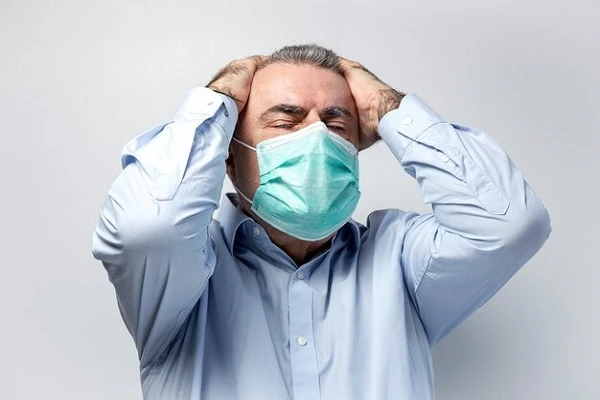
Infected hair transplants manifest in that the donor and recipient area, and they could either or both get red, itchy, and swollen. In extreme cases, there could even be bleeding. Keep in mind that itching and swelling are pretty normal, especially after surgery. However, it could get worse if you fail to follow the instructions your physician gives you.
You would need to avoid touching the donor and recipient areas. It is non-negotiable. Touching the areas would mean that you are increasing the chances of getting them infected because you don’t know how clean your hands are all the time. You also have to avoid scratching the infected area. It tends to get itchy, but bear in mind that it’s only temporary. However, scratching can lead to an infection that could either impede your recovery from the surgery or have general effects on your health.
It could also lead to scarring. The scarring can be a result of excessively scratching your scalp or disturbing the healing process by scratching. Asides from scarring, you would also have to contend with poor hair growth in the long run. You must maintain excellent hygiene while also trying to adhere to your surgeon’s instructions.
Risk Factors in Hair Transplantation
Hair transplants are effective procedures to combat hair loss and regain confidence. However, as with any surgery, there is a risk of infection. In this article, we will explore the factors that increase the likelihood of an infected hair transplant and how to prevent complications.
When to See a Doctor?
Hair transplants are effective procedures to combat hair loss. However, as with any surgery, there is a risk of infection.
How do the risks differ depending on the transplant procedure?
Some specific factors also play a role:
- Prolonged sessions: Long procedures can increase exposure to risk.
- Use of anesthesia: Very high concentrations can affect the immune response.
- Depth of incisions: Openings that are too deep can make it easier for bacteria to enter.
How can you reduce the risk of infection?
- Rigorous hygiene: Follow the postoperative indications and maintain good hygiene.
- Protects affected areas: Avoid dirt and physical activities earlier than recommended.
Other Side Effects of Hair Transplantation
In addition to infection, patients may experience:
- Sudden hair loss.
- Folliculitis.
- Cicatrization.
- Numbness of the scalp.
What are the symptoms of an infected hair transplant?
A normal hair transplant can cause swelling, pain, redness, and crusting during the healing phase. However, if symptoms worsen or persist beyond a week, you could be facing an infection. Signs of an infected hair transplant include:
- Burning or hot sensation.
- Abscesses and pus.
- Inflamed lymph nodes.
- Nausea and vomiting.
- The death of Letargo.
- Headaches and fever.
Why do some patients develop hair transplant infections?
Infections are rare, but they can occur due to:
- Low hygiene standards: If the hair transplant clinic does not maintain proper hygiene, the risk of infection increases.
- Inadequate post-operative care: Post-procedure care is crucial to success. Lack of follow-up can compromise healing and increase the risk of infection.
- Excessive scabs: The formation of scabs in the transplanted area can make healing difficult and encourage bacteria to enter.
- Underlying medical conditions: Patients with diabetes, smoking, or multiple previous scalp surgeries may be more susceptible.
Tips to Avoid Hair Transplant Infection
Since infections after your hair transplants are avoidable, you must take deliberate actions to ensure you avoid them. Here are some tips to help you avoid hair transplant infections.
- You should avoid touching the graft and donor area
- Avoid removing the scabs around your donor area
- Ensure you keep your scalp clean in line with your doctor’s instructions
- Go for your scheduled checkup after the surgery as at when due
- Avoid tobacco products, alcoholic beverages, or smoking during your recovery stage
Hair Transplants
Hair transplants are lasting solutions to hair loss. It requires a skilled surgeon who harvests hair follicles or grafts from your scalp, depending on the method chosen, and plants it at your balding or receding spot. Many clinics offer this treatment; however, you have to choose yours carefully, so you don’t endanger your health. Ensure you opt for a certified clinic. There are two significant types of hair transplants, and the difference is in the surgery methods, and not the quality of service received. Irrespective of the process you opt for, you would still be getting the desired effect.
Follicular Unit Extraction
Follicular unit extraction is the more common procedure for hair transplants. Here, hair follicles are harvested from a part of your scalp, where the hair grows densely. Hair is harvested from a place like the back of your head and planted where it is needed. This method is a lot safer and guaranteed to leave you with no scars. You would, however, have to deal with scabs after the treatment. These scabs are temporary and testify that you are indeed healing as you should.
Follicular Unit Transplant
You may decide to opt for the follicular unit transplant. This method is more complex than the FUE. It requires more time, precision, and dedication. Not just any surgeon can carry out this process, and the clinics that offer this treatment method are just a handful. Here, the surgeon takes a graft of skin from your scalp, most times the back of your head. Hair follicles are then carefully selected with tissues accompanying them. They are then transplanted into the incisions made at the point where balding occurs.
This method is what you opt for if you are looking for a natural and fast recovery rate. There is absolutely no reason for you to worry about shaving your head. It is what you opt for if you don’t want anyone to know you are undergoing or have undergone surgery.
In Conclusion
Of course, after your surgery, your physician would inform you of the things to do to ensure adequate recovery. To ensure you don’t get infections from your surgery, you have to ensure that you maintain a high level of hygiene around the donor and recipient areas. Failure to comply means you are putting your health at risk. It also means you may impede your chances of ever having a healthy growth of hair around both the donor and recipient areas. If you, however, find yourself suffering from hair transplant infections, please contact your surgeon immediately.