



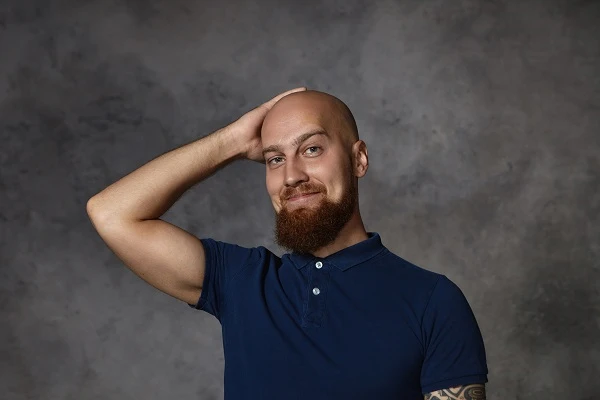
Battling baldness can be a tough challenge, especially for young individuals. We comprehend the hardships you might have encountered while trying to stop or address this issue. Our aim is to be your ally in triumphing over this struggle. We are fully aware of how baldness can harm your self-confidence, which is why we dedicated ourselves to thorough research. So, if you’re below 30 and you’re already growing bald, read this.
If you haven’t yet experienced baldness, you’re on the right path. We’ve meticulously examined preventive approaches that can help you avoid this situation. The choice is yours; you can choose to keep reading and rescue yourself from this condition, or you can opt to disregard this information and potentially endure it for a longer duration than necessary.
Why am I experiencing hair loss?
If you’re in your teens or 20s (below 30), thinning hair and receding hairlines are signs that you’re on the road to baldness. Male Pattern Baldness (MPB) or Androgenic alopecia is the primary contributor to baldness in young men. Men of all ages are affected by Androgenic alopecia. In men with (MPB), baldness can begin at a young age, possibly as early as teens. This is a common occurrence and is not out of the ordinary.
Baldness has various aetiologies, many of which involve poor lifestyle choices and harmful habits. Here, we shall return to the specific causes of hair loss to establish whether balding is normal in particular conditions.
Inheritance of male pattern baldness
MPB often causes baldness in young people. Research shows that 98.6 per cent of men inherit MPB from their parents. As early as their early twenties or even teens, males with this genetic disorder begin to lose their hair. This condition results in permanent damage to the hair follicle, and as such, baldness caused by PMB is considered permanent.
Poor nutrition
Deficiencies in zinc, protein, magnesium, calcium, iron, and Vitamins (A and B-complex) can lead to baldness and thinning of the hairline. Because of this, ensure you eat healthily and get the diet to keep your hair looking its best.
Weight loss
Some people may experience hair loss as a side effect of significant weight loss. This is particularly common in individuals who have rapidly shed a substantial amount of weight. It’s important to note that not everyone will experience this side effect, and its occurrence can vary from person to person. If you have concerns about hair loss related to weight loss, it’s advisable to consult a healthcare professional for personalized guidance and support.
Stress
Stress can also lead to hair loss and thinning hair. Young men are under more stress today than ever, leading to several other health issues. A typical hair loss condition associated with stress is Telogen Effluvium, a situation where hair follicles are forced into an inactive state. However, baldness caused by stress is considered temporary and should give way when adequate attention is given to one’s activities. Also, men who suffer from Male Pattern Baldness (MPB) are more susceptible to stress-induced hair loss.
Alcohol
Another contributing factor to balding at an early age is excessive alcohol consumption. Doctors advocate limiting your alcohol consumption to safe limits and avoiding excessive consumption. Typically, baldness caused by alcohol is likewise believed to be short-lived.
Smoking
While there is yet clear evidence on the impact smoking has on baldness, experts have concluded that smoking has significantly contributed to baldness, with most results based on simple observation and correlative studies. It is no coincidence, then, that doctors examine the effects of smoking on male pattern baldness in males in their twenties. According to research, most men start smoking in their adolescence, which has contributed significantly to the growth in baldness.
Medical conditions
Many medical disorders, including alopecia areata, psoriasis, thyroid disease, and other infections like eczema and ringworm, have been linked to hair loss. If you’re suffering from any of these, try to treat them, and you’ll be sure that your hair will be restored in time.
Hair Loss Symptoms
Hair loss is a condition that presents itself in various ways. Identifying the symptoms is pivotal for early detection and unravelling the root causes. Let’s delve into the common indicators of hair loss:
Gradual Hair Thinning
Hair loss often kicks off with a slow thinning of the hair. This typically begins at the crown or the top of the head, where hair loses its density and thickness, leading to a less lush appearance.
Receding Frontal Hairline
A classic sign in men is the receding hairline. Hair near the forehead starts to pull back, forming an “M” shape or a more pronounced forehead.
Presence of Bald Spots
Some people encounter bald spots, where hair completely vanishes in specific areas on the scalp. These patches can vary in size and often take on a round or oval shape.
Excessive Hair Shedding
An early sign of hair loss is increased hair loss during daily activities like washing, combing, or styling. If you find more hair in your shower drain, pillow, or hairbrush, it could be an initial red flag.
Thinning at Temples
In men, as they experience a receding hairline, there may be noticeable thinning at the temples. This results in the formation of a distinctive “widow’s peak” pattern, which is characterized by a V-shaped hairline at the forehead. This pattern is often a noticeable feature associated with male pattern baldness, a common condition impacting a significant percentage of men as they age.
Hair Miniaturization
Hair follicles may undergo a process known as miniaturization, resulting in the production of finer, shorter, and less pigmented hair. This often precedes more noticeable hair loss.
Sudden and Extensive Hair Loss
Telogen effluvium can cause abrupt and extensive hair loss. This condition is frequently triggered by physical or emotional stress, medication, illness, or pregnancy.
Patchy Hair Loss
Conditions like alopecia areata lead to patchy hair loss, characterized by perfectly round or oval bald patches on the scalp or other body areas.
Itching or Discomfort
Scalp conditions such as fungal infections or inflammation can lead to various symptoms, including itching, discomfort, and even hair loss in the affected regions. It’s important to address these conditions promptly to prevent further discomfort and potential long-term effects on hair health.
Gradual Thinning Across the Scalp
Female pattern hair loss causes diffuse thinning of hair across the entire scalp. Unlike specific receding hairlines or bald spots, this condition affects the whole scalp. It is common among women of all ages. While the exact cause is not fully understood, genetic, hormonal, and environmental factors likely influence it.
Increased Scalp Visibility
As hair loss progresses, the scalp becomes more visible through the thinning hair. This visibility increases when the hair is wet, under strong lighting, or styled in certain ways. You may especially notice this along the hairline and on the crown of the head.
Hair Loss Beyond the Scalp
Hair loss is not limited to the scalp; it can also impact eyebrows, eyelashes, facial hair, and other body hair. This highlights the need to consider comprehensive approaches to addressing hair loss that encompass the various areas where it can occur.
What should I do?
Now that you understand the potential causes of this condition, you’re probably seeking advice on how to manage it. There are two main strategies to consider: prevention and treatment. If you haven’t experienced hair loss yet, it’s important to take proactive measures to prevent it.
However, if you’re already experiencing hair loss, treatment options are available to help address the issue. It’s essential to seek advice from a healthcare professional before starting any treatment to ensure your safety and well-being.
Treatment options
Hair loss, especially in men with male pattern baldness (MPB), can be treated using various methods ranging from topical medications to undergoing more invasive procedures to regrow or replace lost hair. Some of the most commonly used and effective baldness treatment methods include the following ones.
Drug medications
Male-pattern baldness, which affects many men, can be addressed using prescription and over-the-counter medications. Two FDA-approved drugs, finasteride (sold as Propecia and Proscar) and minoxidil (known as Rogaine), effectively halt or slow down the progression of male-pattern baldness.
Finasteride, available only by prescription in pill form, and over-the-counter versions of minoxidil, which is a topical medication, are both effective options for treating this condition. It’s important to note that it may take at least six months for the effects of these treatments to become noticeable.
Laser hair treatment
In a recent study involving 41 men aged 18 to 48, some researchers discovered that those who underwent laser hair treatment experienced a significant 39% increase in hair growth. These findings strongly support the effectiveness of this particular treatment method.
Additionally, low-level laser therapy effectively stimulates hair follicles. Although this approach is relatively new, research has shown that it is both safe and comfortable. Many individuals find the therapy to be an enjoyable experience.
Hair transplant procedure
A hair transplant is a surgical procedure that removes hair follicles from a donor site on the body. The surgeon then implants these follicles into balding or thinning areas, known as the recipient site. Professionals use this technique to treat pattern baldness (PMB).
There are two main techniques for hair transplants: Follicular Unit Transplantation (FUT) and Follicular Unit Extraction (FUE). FUT involves removing a strip of skin from the donor area and then dissecting it into individual follicular units for transplantation. On the other hand, FUE involves the extraction of individual follicular units directly from the donor area using a tiny punch-like instrument, leaving small round scars that are often undetectable. For further details, you can search for more information about these techniques.
Is it possible to avoid going bald?
You can avoid baldness if the signs of thinning are detected early enough. Finasteride and Rogaine, two famous androgenetic alopecia therapies, have been found to reduce or stop hair loss. Consult your doctor to see if these medications are good for you, as hair loss may return after you discontinue use.
You can try the following to keep your hair in good health and to avoid baldness from occurring;
- Try massaging your scalp daily to encourage hair growth.
- Put an end to your smoking habit.
- Manage your stress and anxieties by exercising, meditating or taking deep breaths.
- Get plenty of protein, iron, and vitamins by eating a well-balanced diet.
- Do not stop taking your current medication. But if you suspect that your medication is causing more hair loss, then do well to talk to your doctor. They can recommend better alternatives.
Tips to Maintain Healthy Hair and Ward Off Baldness
Daily Scalp Massages: One effective strategy is incorporating daily scalp massages into your routine. Massaging your scalp can stimulate hair growth and help prevent baldness.
Bid Farewell to Smoking: If you’re a smoker, quitting this habit is a positive move not just for your overall health but also for the health of your hair. Smoking can contribute to hair loss.