



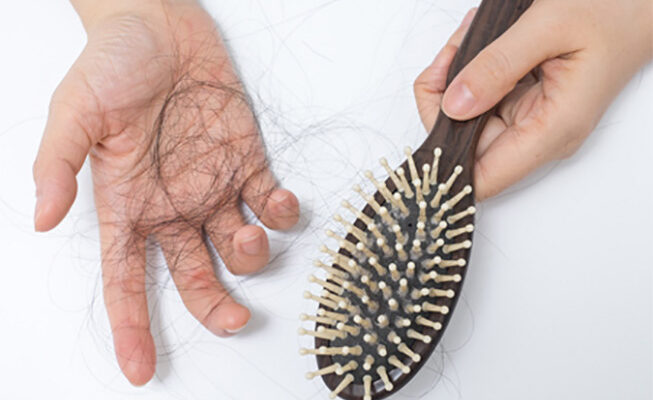
Experiencing hair loss is something many of us face at some stage in our lives. Whether it’s glimpsing a few extra strands circling the drain during a shower or noticing more noticeable thinning, the sight of hair loss can be worrying. Naturally, we begin to question if this shedding is just a normal part of life or if it flags a deeper issue. It’s key to realise that shedding a few hairs each day is a natural part of the hair growth cycle. Typically, a person sheds around 50 to 100 hairs daily. This shedding is simply part of the hair growth process and is typically balanced by the growth of new hair. Below we will talk about lose a lot of hair.
However, several factors might cause a shift, leading to more noticeable hair loss. Having a grip on the reasons behind hair loss can assist in distinguishing between what’s considered a regular shedding cycle and when it could hint at an issue requiring attention.
Normal Hair Loss
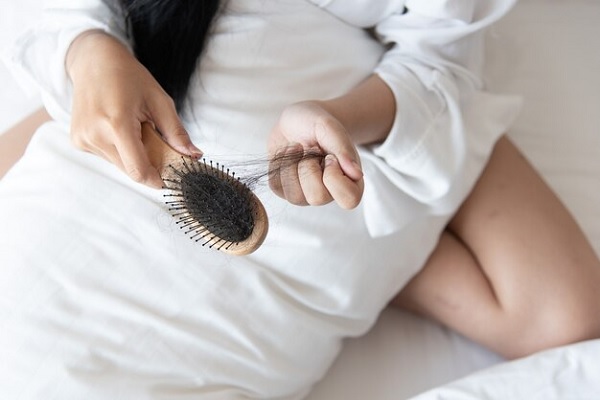
As mentioned earlier, shedding approximately 50 to 100 hairs daily is considered a standard part of the hair growth cycle. This cycle encompasses three main phases: anagen (the growth phase), catagen (the transitional phase), and telogen (the resting phase). It’s in the telogen phase that hair naturally sheds, allowing room for new growth. This consistent cycle helps maintain a balance between hair shedding and regrowth.
Several factors, including age, seasonal changes, hormonal shifts (particularly notable in women during pregnancy or menopause), and even stress, can affect the quantity of hair shed. In most instances, this increased shedding is temporary, and the hair typically regenerates itself.
Signs that hair loss is not normal
Identifying when hair loss moves beyond the normal shedding phase is vital when addressing potential concerns. Keep an eye out for these key signs:
- Increased Shedding: If you’re witnessing a noticeable surge in daily hair loss, like discovering clumps during brushing or in the shower, it might suggest abnormal hair loss.
- Bald Patches or Thinning: Noticing visible bald patches or areas where the scalp becomes more prominent due to thinning hair is a clear indicator that requires attention.
- Rapid Changes: Sudden alterations in the hair’s thickness, texture, or overall appearance should be taken seriously. A significant and rapid change might signify an underlying issue.
- Persistent Shedding: If the shedding continues consistently without showing any signs of slowing down or if it increases over time, it’s essential to delve deeper.
- Accompanying Symptoms: Other scalp-related symptoms like itching, redness, or discomfort could indicate an underlying scalp condition contributing to hair loss.
When Hair Loss Might Not Be Normal
Though a certain amount of hair loss is perfectly normal, there are occasions where excessive shedding could point towards an underlying issue. If you’re noticing substantial clumps of hair falling out, experiencing bald patches, or observing more pronounced thinning, it might be time to delve deeper into the matter.
A variety of factors can contribute to abnormal hair loss, inclusive of:
- Genetics: Pattern baldness is a prevailing genetic condition that affects both men and women, leading to gradual hair thinning.
- Medical Conditions: Certain health issues such as thyroid disorders, autoimmune diseases, and scalp infections can contribute to hair loss.
- Nutritional Deficiencies: Insufficient essential nutrients, especially iron, protein, and vitamins, can result in hair loss.
- Stress: Intense emotional or physical stress can trigger increased hair shedding.
- Medications: Certain medications and treatments, such as chemotherapy, might lead to hair loss as a side effect.
If you find yourself concerned about the amount of hair you’re losing and suspect it might not fall within the realm of typical shedding, seeking advice from a healthcare professional or a trichologist (a specialist in hair and scalp issues) would be a prudent step. These experts can aid in identifying the underlying cause and provide appropriate recommendations or treatments.
Preventing and Managing Hair Loss
Though not all forms of hair loss can be averted, there are several measures that can assist in managing and potentially lessening its impact:
- Balanced Diet: Ensuring a diet that is abundant in vital nutrients can significantly support healthy hair growth. Essential components like iron, protein, and various vitamins play a crucial role in maintaining hair health.
- Gentle Hair Care: Avoiding harsh treatments, excessive heat styling, or tight hairstyles is pivotal in preventing damage to the hair. Being gentle in how we treat our hair can go a long way in preserving its health and reducing unnecessary breakage.
- Stress Management: Incorporating practices such as meditation, yoga, or simply finding time for relaxation in our daily routines can be immensely beneficial in managing stress levels. High stress is often linked to increased hair shedding, so managing stress is key.
- Professional Advice: Seeking guidance from a healthcare professional or a trichologist can provide personalised advice and various treatment options. These experts can offer tailored solutions according to individual circumstances, aiding in managing and addressing concerns related to hair loss.
How to stop alopecia and recover lost hair
Different types of alopecia exist and we are all exposed to this desease throughout life. So true is it that, half of women and two out of three men will share the same bad luck and suffer from a hair loss if they do not undergo any treatment to repopulate the areas where hair no longer grows.
However, for this problem there is a solution. We are referring to hair transplant through the micrograft of hair follicles, taken from the lower back area of the donor’s scalp, into the bald or thinning areas of the patient. This is the FUE technique that guarantees any person suffering from alopecia a total recovery of his hair in a few months through a quick, painless and low cost intervention.
Conclusion
In conclusion, experiencing some hair loss is a natural part of life. Understanding the reasons behind it and being vigilant about changes in the pattern or extent of shedding is crucial. If you’re concerned that your hair loss might be abnormal, seeking professional advice can help identify any underlying issues and guide you towards the best course of action. Remember, while hair loss can be distressing, there are often solutions and treatments available to manage it. Taking proactive steps and seeking guidance can go a long way in addressing any concerns and maintaining healthy hair.
Everyone loses his hair, but not everyone lose a lot of hair. The most important dermatological studies, in relation to hair loss, state that it is normal for us to lose between 50 and 100 hairs daily. Some people lose up to 150 hairs a day without this being the initial symptom of a drastic fall that should put us on alert and require a medical treatment as soon as possible. However, all people who have seen that their scalp shows more thinning spots for some time now, more hair remained in the comb or in the brush when combing it or they have an excessive hair fall while washing their hair, should go to the specialist for an exam and find what may be the causes of their hair fall.
Often the causes of this fall are related to periods of stress
These usually cause a greater fall of hair follicles of the scalp as a physical reaction to a psychological problem. Hence, it is essential to go to a doctor to get a diagnosis in this regard since. In addition to relieving mental fatigue, by keeping stress under control you will begin to recover hair loss.
Another cause of hair loss is the lack of nutrients caused by poor diet. The lack of vitamin B, folic acid and some minerals, as well as an unbalanced or low diet in fruits and vegetables can ultimately result in loss of hair. Again it is advisable to go to the doctor to find out if this is our case. Since being treated we will recover lost hair.
Similarly, it is important to underline that the start of certain medical treatments. And the intake of certain medications can cause a severe hair loss in a short time. In most cases, once treatment is finished. Or the taking of certain pharmaceutical components is changed or finished, scalp will be repopulated.