



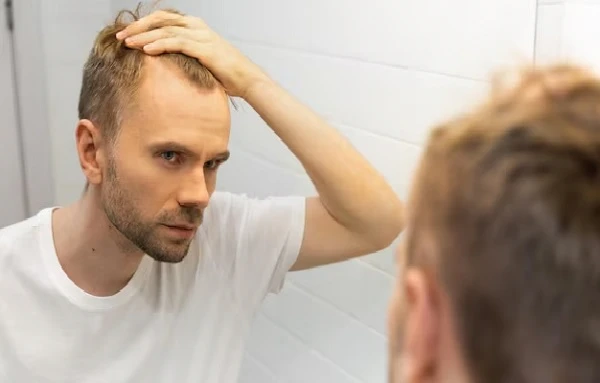
After the age of 20, the signs and symptoms that can cause some type of concern regarding hair loss are diverse. It is normal for the idea of going bald to cause anguish and fear. And this condition completely affects the appearance, giving an aged appearance to those who suffer from it. That is why acting in time is very important when it comes to avoiding hair loss. If you are going bald and wondering what you can do, below we will help you detect alopecia and treat it.
The main thing is to determine if you are going bald
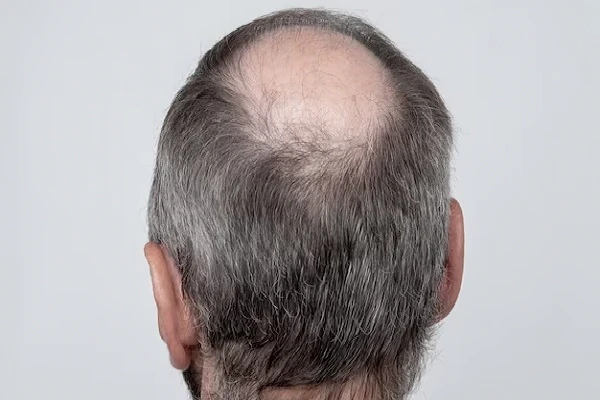
It is very easy to check if your hair is falling out more than usual. If in the morning you notice a lot of hair on the pillow or on the brush, a greater amount of hair accumulates. These are the first signs that something is not happening normally on your scalp. Also, it is the beginning of the entrances and the crown.
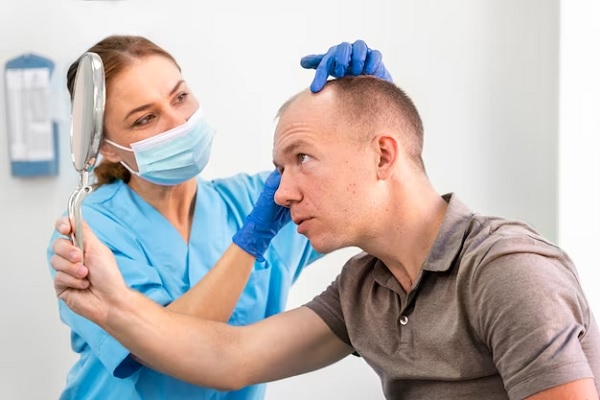
A hair health specialist will be in charge of diagnosing what you already suspect. Nowadays, there are many technologies that allow you to look at the scalp very closely. Managing to examine the capillary structures in detail to have the appropriate diagnosis.
Causes why you are going bald
Baldness can be caused by temporary or permanent reasons.
Temporal factors
Stress:
High levels of stress lead to considerable hair loss. Fortunately, this hair loss is temporary. Once the stressful episode is over, the hair will stop losing.
Thyroid imbalances
Cell development is strongly influenced by thyroid hormones. When these suffer an alteration in their levels, the function of the hair follicles can be altered.
Medicines
Any treatment that includes corticosteroids can alter the functions of the follicles. Modifying the thickness of the hair, making it brittle. Medications used for depression, arthritis, high blood pressure, cardiovascular problems or cancer can also cause this effect.
Poor nutrition
Eating disorders, such as bulimia and anorexia, malnutrition or a diet based on fats and sugars, can damage hair quality. Even leading to premature baldness. It is important that the diet is balanced, providing the body with an adequate amount of vitamins, minerals, proteins and iron.
Improper use of hair products
You could be applying a cream, conditioner or shampoo to your hair that is not suitable for your hair type. It is also possible that you are washing your hair too frequently. Or you are continuously subjecting it to dyes or straightening substances.
Other factors
A too high fever, scalp infection, greasy hair or dandruff can also cause hair loss.
Permanent factors
Androgenic alopecia
It is the most common reason for suffering from alopecia. Caused by certain genetic and hormonal factors, both in men and women. If there are too many cases of baldness in your family, it is very likely that you will also go bald. This makes preventing hair loss complex. But, currently there is an effective and long-lasting solution, hair grafting.
Alopecia areata
It is an autoimmune disease that is thought to be related to stress. But the reality is that its exact origin is unknown. This causes round patches on the scalp where hair falls out.
seasonal alopecia
It frequently appears during the transition from summer to autumn and leads to widespread hair renewal. All mammals go through this natural process.
5 keys to know if it is baldness
Greater amount of hair on the pillow and in the shower
The normal thing for a person is to lose between 70 to 100 hairs a day. But, if you start to notice a greater number of hair loss, it is alarming. Mainly if it is strands.
However, it is important to keep in mind that, during autumn and spring, it is possible to lose between 300 and 400 hairs daily.
Appearance of receding hairlines and hair loss on the crown of the head
Androgenic alopecia is the type of baldness most experienced by men. Its detection is simple, due to the pattern it presents. Hair begins to fall out first in the front, creating the well-known receding hairline. Then, the back of the head experiences capillary thinning, until the scalp is visible. Gradually, the volume of the hair begins to reduce, until leaving an almost complete bald spot.
Age
The older you are, the greater the chance of suffering from baldness. Some studies claim that half of the men who experience this problem are over 30 years old. If you are starting to lose your hair in your 20s, you may be just another case of common alopecia.
Family background
When your closest relatives, such as your father, uncles or grandparents, have been bald, the possibility that you will also be bald is greater. However, it’s not always like that. There are people who have abundant hair, having a bald father, or vice versa.
Consult with specialists
There are many factors that may be causing hair loss. The best thing, to have an accurate diagnosis, is to go to a professional.
How to stop hair loss?
An excellent option to stop hair loss and strengthen the mane is the application of platelet-rich plasma to the scalp. If you are suffering from moderate hair loss, it is a highly recommended alternative. What should be kept in mind is that this treatment does not cause new hair to grow in areas where it has already been lost. It involves the application of microinjections of growth factors into the scalp. What is known as hair mesotherapy. It lasts approximately 30 minutes and helps revitalize hair, giving it shine and strength.
In the case of suffering from androgenic alopecia, minoxidil is a highly recommended drug to stabilize hair loss. More is not able to increase the amount of hair. This product starts to give results after 3 to 4 months of use. Being a treatment that must be maintained for life, since, when it is interrupted, its effects will disappear.
When baldness has advanced too much, the only possible and highly effective option is a hair transplant. Which can be done through different techniques, according to the needs of each patient. This treatment involves taking hair follicles from an area immune to the effects of alopecia and transplanting them to the bald area. Allowing natural and permanent growth of new hair. Another form of treatment is the use of finasteride or surgical intervention to reduce the scalp. It is also feasible to use wigs and toupees to hide baldness.
Tips to avoid going bald
To prevent hair loss, it is recommended:
- Reduce the amount of chemicals applied to the hair. Replacing them with natural treatments when dyeing, straightening or styling.
- Avoid emotional instability that may cause nervousness or anxiety.
- Maintain a healthy lifestyle.
- Do physical activities, such as sports, on a regular basis.
- Have a balanced diet.
The psychological impact of going bald
- Hair health and psychology have a close relationship. Let’s remember that the scalp is the skin that covers our skull. Both the skin and the nervous system are formed in the same embryonic layer. Many skin diseases arise after an episode of stress, so hair loss is part of them.
- Many times, men see alopecia as something inevitable. While others see this future with anxiety and begin to feel insecure about their own appearance. Fortunately, many studies have determined that, for many women, bald men are more masculine and attractive.
- As it is female alopecia, the psychological impact is always negative. Well, society does not accept that a woman can go bald. Making the emotional impact greater, generating stress, anxiety, depression and isolation.
- Having beautiful hair is related as a symbol of feminine beauty. But, naturally, a lot of hair is lost during menopause. This is when hairstyles begin to be done to help camouflage the problem. Beginning social isolation in which they stop attending beaches, swimming pools, gyms, among other places.
A large-scale study of the psychological impact of losing hair concludes that
- More than 25% of the population has gone through an episode of hair loss or thinning.
- Those who experience hair loss feel that their identity has been lost. Coming to perceive yourself as a completely different person.
- The severity of the psychological impact of hair loss is very great. Mainly in women, who can develop social anxiety, loss of identity, depression, among other things.
- People with alopecia feel that health professionals do not take their problem seriously, thus increasing their distress and isolation.
- There is a risk that personal relationships will be affected due to the hair loss problem. Coming to feel discriminated against in their work space.
- A large number of those affected do not get used to the fact that they are going bald, and the passage of time does not help them accept it.
- Alopecia areata is a type of hair loss associated with stress.
Although the origin of alopecia areata is autoimmune, it has been proven that psychological factors have a close relationship with its development. Most patients, when taking their medical history, recount an episode of stress in their last weeks or months. It could be the loss of a job, a breakup, or the loss of a loved one. Situations that can trigger immunological reactions in which lymphocytes will attack the hair follicles.
Some patients in this state have an altered appearance and their hair is lost in a manner similar to chemotherapy treatment. Making the mood worse, self-esteem plummets and anxiety intensifies.