



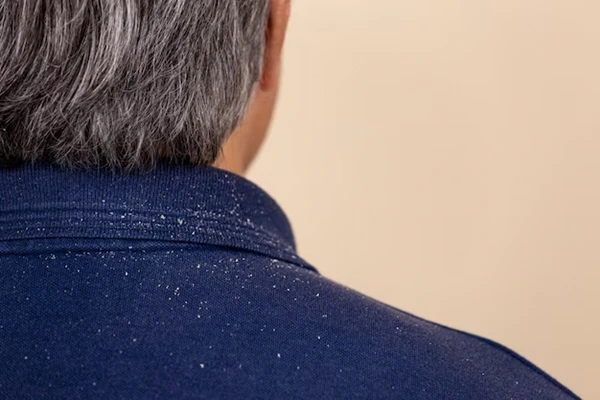
Dandruff is a disorder of the scalp that generates flakes to become visible on the scalp. Itchiness is another possible symptom. Dandruff affects most individuals at some stage in their lives, although it is most prevalent in persons between the ages of 15 and 45. Seborrheic dermatitis, allergic responses, psoriasis, and eczema are some conditions that could trigger it. One of the factors that can bring on seborrheic dermatitis is an exaggerated sensitivity to the yeast known as Malassezia, which lives on the scalp. In this article we will discuss How To Treat Dandruff in Men.
The likelihood of acquiring dandruff is increased by several factors, some of which are a person’s age, weather, stress levels, medical conditions, and hair products. Flakes are not caused by not washing or brushing hair but may make them more noticeable. People frequently feel embarrassed about dandruff; nevertheless, assistance is available. You can find a list of treatments for dandruff below.
Natural ways to treat dandruff in men
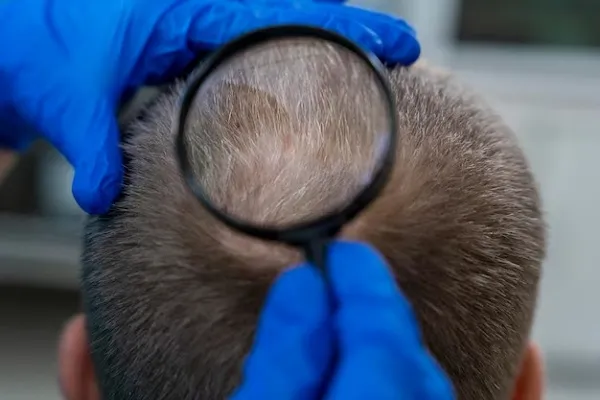
The appropriate course of action will be determined by the individual’s age, the presence or absence of any underlying disorders, and the severity of their dandruff. The following are some alterations to one’s lifestyle as well as some home remedies that can be of assistance:
Managing Stress
avoiding items that include strong chemicals and detergents as much as possible. An appropriate scalp and hair care approach may include brushing the hair frequently and consulting a dermatologist for advice. Other treatments include the following:
Omega-3s
Fatty acids with the omega-3 designation play an essential part in the functioning of your body. Also, omega-3 fatty acids are essential to maintaining healthy skin. They aid in the regulation of oil formation and hydration, facilitate the healing of wounds, and delay the onset of premature aging.
Although additional research is required, there is some evidence that omega-3 fatty acids can reduce inflammation. This, in turn, may alleviate the sensations of irritation and dandruff. Omega-3 fatty acids are abundant in fatty fish such as salmon, trout, and mackerel. Other good sources include walnuts. You might also consider taking a fish oil tablet or increasing your consumption of foods rich in omega-3 fatty acids, like walnuts, flaxseed, and chia seeds.
Probiotics
Beneficial bacteria known as probiotics have been linked to a wide variety of health advantages, including the prevention of allergic reactions, a reduction in cholesterol levels, and accelerating weight loss. These bacteria might also improve immunological function, which could assist your body in warding off the fungal diseases that are the root cause of dandruff.
A study revealed that the severity of dandruff was dramatically reduced in 60 patients when they took probiotics for 56 days. It has also been demonstrated that probiotics can assist in treating and preventing skin disorders such as dermatitis and eczema, particularly in young children and newborns.
Baking Soda
Baking soda is an effective treatment for dandruff that can be completed in a short amount of time and is easily accessible. It is thought to have a mild exfoliating effect, which can help remove dead skin cells and minimize scaling and irritation. Additionally, it possesses antifungal qualities that may prove useful in treating dandruff.
Applying baking soda immediately to damp hair and massaging it into the scalp will produce the finest effects. After allowing it to sit for one to two minutes, proceed with shampooing the hair as you normally would.
Steer Clear of Some Meals
Although there is a need for additional research on the link between nutrition and dandruff, some individuals may find that reducing their consumption of particular foods reduces inflammation, which in turn may improve the health of their scalp. Additionally, some research suggests that altering one’s diet can prevent fungal bacteria by limiting yeast development and enhancing gut flora, which may be beneficial in managing dandruff. You might wish to reduce your consumption of the following foods:
- Carbohydrates that have been processed and refined, like white bread, crackers, white pasta, and tortillas.
- Red meat
- Packaged foods
- Fried foods
- Meals and beverages with a lot of added sugar
If dandruff and irritation are severe and continue for an extended period, or if the symptoms get more severe, it is recommended that you consult a medical professional. Various over-the-counter products can help treat the flaking and itching associated with mild dandruff that does not have a specific cause.
Before beginning treatment with an anti-dandruff shampoo, clients should make a concerted effort to manually remove as many flaky or crusty areas of the scalp as they can. After carefully combing through your hair or brushing your hair to remove any flakes or loose scales, cleanse your scalp with a medicinal shampoo. It is important to remember that forcibly removing patches or plaques could make the situation worse.
Things To Watch Out for In Terms of Ingredients
The majority of shampoos that claim to treat dandruff or fungal infections include a minimum of one active ingredient:
- Ketoconazole is a component that is effective against fungal infections and is safe for people of any age.
- By inhibiting the glands on the scalp from producing natural oils, selenium sulfide is an effective treatment for dandruff. Additionally, it inhibits the growth of fungi.
- Zinc pyrithione inhibits the progression of yeast development.
- Tar from coal has a naturally occurring antifungal agent and can inhibit the overproduction of skin cells. Coal tar can potentially leave a stain on colored or chemically treated hair with prolonged use. Because it could make the scalp more photosensitive, those who use it should always wear a cap when they go outside.
The Use of Salicylic Acid
You can find tea tree oil in many different shampoos. It possesses features that make it effective against both bacteria and fungi. A study revealed that shampoo with 5% tea tree oil seems harmless and well-tolerated for dandruff treatment.
Causes of Dandruff in Men
Irritated and oily skin
Dandruff is often related to irritation of the scalp. When the skin is irritated, further flaking occurs, which can manifest as dandruff. Excess oil on the scalp can also contribute. Overactive sebaceous glands can produce more sebum, which promotes the growth of the Malassezia fungus and the appearance of dandruff.
Dry skin
Although it may seem counterintuitive, dry skin can also be a cause of dandruff. When the scalp is dry, dead cells do not shed properly and accumulate, forming visible scales. Lack of hydration and exposure to extreme weather conditions can contribute to dry scalp.
Yeast fungus (Malassezia)
This fungus is found naturally on the scalp of most adults. It feeds on the oils present in the skin and can trigger dandruff. When there is an imbalance in the Malassezia population, further flaking occurs and dandruff becomes apparent. Sensitivity to hair care products (contact dermatitis). Some ingredients in shampoos, conditioners, or styling products can irritate the scalp and trigger dandruff. It’s important to choose gentle, dandruff-specific products if you’re prone to this problem.
Other skin conditions
Diseases such as psoriasis and eczema can affect the scalp and contribute to the appearance of dandruff. If you have a pre-existing skin condition, it’s critical to treat it properly to manage dandruff.
Risk Factors
In addition to the causes mentioned, some specific risk factors for dandruff in men are:
- Age: Dandruff usually begins in early adulthood and persists into middle age. However, it is not exclusive to any age group.
- Gender: Men tend to experience dandruff more often than women.
- Diseases: Conditions such as Parkinson’s disease or a weakened immune system can increase the risk of dandruff.
Remember that while dandruff isn’t serious, it can be uncomfortable and affect confidence. It is always advisable to consult a dermatologist if dandruff persists or worsens, especially if conventional treatments do not work properly.
Conclusion
The skin problem known as dandruff causes flaky, itchy patches to appear on the scalp. This disorder has the potential to have an adverse effect on a person’s sense of self-worth as well as their general quality of life. Anecdotal evidence suggests that many natural treatments for dandruff are effective, even though only a small number of research studies have explicitly investigated the benefits of natural treatments for dandruff.
In this article, we have thoroughly explored how to treat dandruff in men, understanding its causes and strategies to maintain a healthy scalp. Dandruff can arise due to an oily or dry scalp, the presence of the Malassezia fungus, sensitivity to hair products, and other skin conditions. It is essential to identify the specific cause in order to properly address it.
In short, dandruff should not affect your confidence or well-being. Follow these tips, maintain a hair care routine, and remember that the health of your scalp is integral to your overall well-being. Until next time, and have flawless hair!