




One of the most compelling features a person has is their hair. Of course, some individuals may look attractive with bald heads, but not everyone can pull it off. This is why the hair section of the cosmetics industry sells fast – everyone is in a bid to prevent hair loss and increase growth. In this article we will talk about How to Recover the Loss of Density in the Hair?
So, if you are suffering from alopecia, which is a loss of density in the hair, you are not alone. There are many others, and this cuts across every gender. As such, this widespread need for treatments and techniques for combating hair loss has resulted in the invention and production of several effective options. In this blog post, we will consider the causes of loss of density in the hair and various ways to restore your hair to its previously voluminous state.
Causes of Loss of Density in the Hair
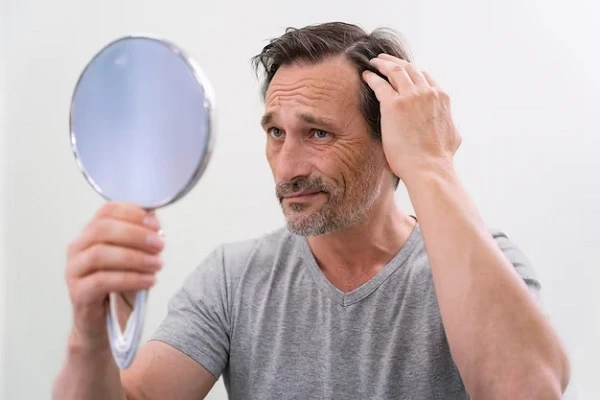
Several natural and contributory factors can lead to a loss of density in the hair. Some of them are:
Aging
Aging is a primary cause of loss of hair density, and it affects a large percentage of the population. So, if you notice your hairline receding, it may have something to do with your age.
Hair Treatment Options
The treatments you subject your hair to could also play a huge role in your hair mass. An example is applying inorganic materials to our hair, particularly through hair oils, shampoos, and conditioners that contain many potent chemicals. These ingredients weaken the hair follicles or even clog them. Some ingredients like silicone contain plastic, which eventually builds up on hair strands, trapping dirt and preventing access to water, air, and other factors that improve hair growth. You may also favor using styling combs and straighteners. Regularly exposing your hair to a high temperature may weaken it.
Genetics
Your genetics also play a huge role in your hair mass. If your family boasts of a full head of hair, then you likely will too. The same applies to pattern baldness, but this condition affects only men. It is inherited, but specialists still do not know its exact scientific background. While aging and genetics sometimes intertwine, genetics may cause a teenage boy to experience pattern baldness. This condition, also known as androgenic alopecia, spares no age.
Dietary Options
Protein is an essential nutrient for healthy hair. So, when you deprive yourself of a sufficient supply, you contribute to the loss of density in your hair. The same applies to consuming too much or too little of some foods – they can stunt your hair growth.
Medications
Finally, if you are treating some conditions like cancer, diabetes, depression, and heart diseases, you may experience a degree of hair loss, which can be temporary or permanent. If any medication is likely to result in hair loss, you will be informed on the label.
Signs of Hair Density Loss
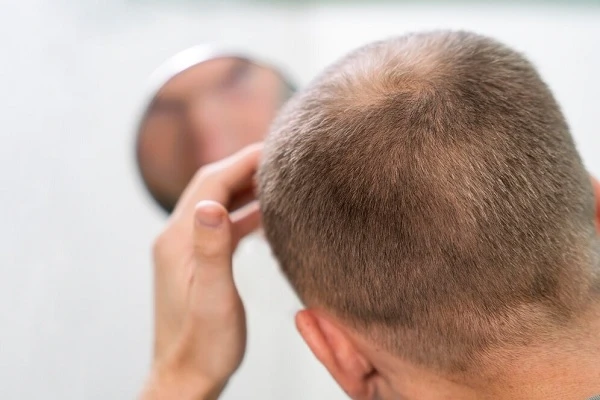
Loss of hair density can manifest gradually, and it’s essential to pay attention to subtle changes. Here is a more detailed exploration of the common signs and symptoms of hair density loss:
Increased Shedding
One of the initial indicators of hair density loss is a noticeable increase in daily hair shedding. You may find more hair in your comb, brush, or shower drain. While some hair shedding is normal, excessive shedding may signal a problem.
Thinning Areas
Hair density loss often begins with localized thinning in specific areas of the scalp. These areas may appear less densely covered with hair, leading to concerns about the overall thickness.
Reduced Volume
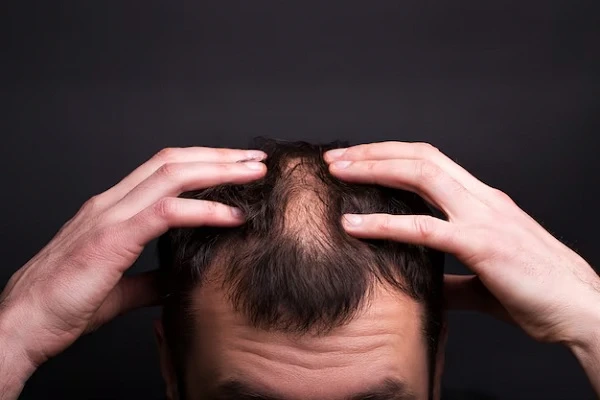
The hair may lose its natural volume and thickness. It might feel flatter, limp, and less resilient. As a result, styling the hair might become more challenging.
Receding Hairline (Male Pattern Baldness)
Men experiencing hair density loss may notice their hairline receding, resulting in less hair on the forehead. This characteristic “M” or “V” shape receding hairline is a common symptom of male pattern baldness.
Widening Part (Female Pattern Baldness)
In women, hair density loss often presents as a widening part. The part in the hair becomes broader and more apparent due to thinning hair.
Noticeable Scalp
As hair density decreases, the scalp becomes increasingly visible through the hair, especially when you part it or in well-lit conditions. This can happen in localized areas or across the entire scalp.
Weakened Hair Strands
Hair affected by density loss may become finer, weaker, and more prone to breakage. You might notice that individual hair strands feel thinner and less robust, making them more susceptible to damage.
Slow Hair Growth
Hair in areas of density loss may grow at a slower rate, or it might seem like it’s barely growing at all. Stunted growth is a common symptom of hair thinning.
Excessive Hair in Brush or Shower Drain
Observing a substantial amount of hair in your hairbrush or shower drain can be alarming. While daily hair shedding is normal, excessive hair loss is an indication of a problem.
Itchy or Irritated Scalp
An itchy or irritated scalp can accompany hair density loss, possibly due to underlying causes such as inflammation, fungal infections, or other scalp conditions.
Hair Miniaturization
In some cases, hair density loss can lead to hair miniaturization, wherein hair follicles produce finer, shorter hair. This is particularly common in conditions like androgenetic alopecia.
Psychological Impact
Hair loss can have a significant psychological impact. Anxiety, self-consciousness, and stress about your hair’s appearance can manifest as emotional symptoms, exacerbating the issue.
Family History
A family history of hair loss is a significant factor. If close relatives, such as parents or grandparents, have experienced hair density loss, you may have a genetic predisposition to it. Recognizing these detailed signs and symptoms of hair density loss is crucial for early intervention. Timely evaluation by a healthcare professional or dermatologist is recommended to determine the cause of hair loss and explore appropriate treatment options, which may include lifestyle changes, hair care practices, or medical interventions.
Seven ways to Recover the Loss of Density in the Hair

Try Natural Remedies
Natural remedies for recovering the loss of density in the hair have existed for centuries. They are also organic, which means they can restore your lost hair without eliciting side effects. Some of the natural remedies you can consider are:
Essential Oils
Essential oils are excellent for fortifying the hair with several nutrients. They also serve different purposes. For instance, lavender oil accelerates hair growth, and you can mix it with other oils like coconut or olive oil. You can also try peppermint oil, rosemary oil, lemongrass oil, thyme oil, and tea tree oil, to name a few.
Aloe Vera
Aloe vera is an effective way to increase the density of your hair. It contains vitamins, fatty acids, amino acids, plant steroids, and some minerals that contribute to hair growth. It moisturizes your hair, which is sometimes all you need to reduce hair loss. When your scalp and hair follicles are too dry, it can result in breakage, which will eventually reduce your hair density significantly.
Eggs
Although the thought of putting eggs on your hair may be repulsive, it may be just what you need to recover the loss of density in your hair. While you may choose to increase your intake of eggs and other protein, whisking the yolks and applying them on your scalp and covering your hair with it will improve hair brittleness and loss and increase its growth rate. The elements egg contains can also reduce breakage and shedding, and the less hair you lose, the more density it acquires.
Onion Juice
Another natural remedy for combating loss of hair density is onions. By now, you’re probably aware that your hair needs an adequate supply of sulfur, and onions are very rich in this element. They are also anti-inflammatory and have antimicrobial qualities. You can cut up some onions, blend or run them through a food processor, and extract the juice. Put it in a spray bottle and apply it generously to your scalp. It’ll repair your damaged hair follicles, moisturize your hair and scalp, and ultimately result in hair growth.
Rosemary Leaves
Rosemary leaves improve blood circulation around the scalp, thereby promoting hair growth. They also have anti-inflammatory and analgesic effects. You can apply the extract from boiled rosemary leaves to your scalp to unclog your hair follicles, moisturize your scalp, and carry out a host of other functions that ultimately result in an improvement in the texture and appearance of your hair.
Medications
Medications can also be used to combat hair loss and increase density. One common, over-the-counter medication for this purpose is Minoxidil, which you’ll spray on your scalp. You can also consider Finasteride but will need a prescription for it.
Hair Transplanting
Hair transplants are the go-to medical method of improving hair quality. Suppose you’re suffering from male pattern baldness, traction alopecia, or other conditions that elicit hair loss. A hair transplant is a surgical procedure where the specialist uproots some hair follicles from a healthy site and transplants them in the area with less hair.
Bottom Line
Hair loss is not a permanent condition until you cease trying. You have many options at your disposal, each one safe and effective for improving the density of your hair.