



Many people experience hair loss at some point in their lives. Losing hair can be emotionally distressing, whether it’s a receding hairline, thinning patches, or overall shedding. Knowing how to prevent hair loss is absolutely necessary. Fortunately, there are often effective solutions for halting and reversing hair loss. You may regain a full head of hair with the right treatment plan and lifestyle changes.
Hair loss, alopecia, has many potential causes, from genetics to stress to medical conditions. Understanding the reasons for your hair shedding is critical to addressing the problem. One common cause is androgenetic alopecia, a hereditary condition where hair follicles become sensitive to dihydrotestosterone (DHT), a byproduct of testosterone. This sensitivity shortens the hair cycle over time, with each new hair growing weaker until the follicle produces no hair at all. Androgenetic alopecia affects around 80% of men and 50% of women by age 80.
Other potential causes of hair loss include thyroid issues like hypothyroidism and autoimmune conditions. Other possible causes include alopecia areata, scalp infections, nutritional deficiencies, crash diets, major surgery, pregnancy, menopause, certain medications, physical or emotional stress, and traction alopecia from hairstyling. Understanding the root cause helps determine the best course of treatment, whether medical, nutritional, or lifestyle changes.
Why is my hair falling?
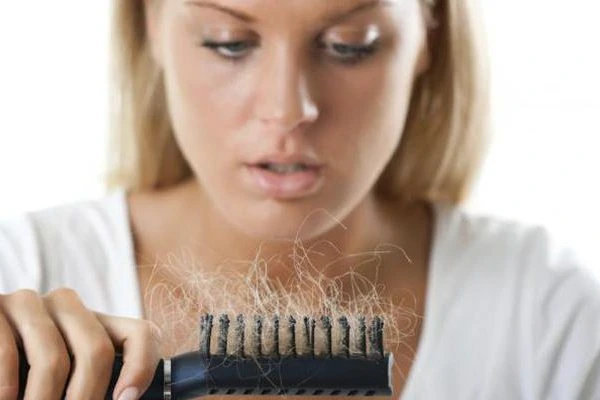
Understanding the root causes of your hair loss is essential for determining the best treatment plan. Hair shedding can result from genetic, hormonal, medical, stress-related, hairstyling, or nutritional factors. Identifying which of these issues affects you is the first step to regaining a healthy head of hair. Let’s examine each potential cause more closely to assess your situation and help you achieve thicker strands.
Genetics
If baldness runs in your family, genetics likely cause your hair loss. Inherited hair loss patterns mean you have a higher risk if your father or grandfather experienced male or female pattern baldness. Your hair follicles may be sensitive to dihydrotestosterone (DHT), a hormone that miniaturizes hair over time.
Hormones
Hormonal changes can influence shedding. For women, hair loss after pregnancy or during menopause is expected due to shifting hormone levels. Thyroid problems like hypothyroidism, where the thyroid gland doesn’t produce enough hormones, are also known triggers. In men, testosterone converts to DHT, which shrinks hair follicles.
Medical Conditions
Alopecia areata is an autoimmune disorder where the body attacks hair follicles and causes patchy hair loss. Other medical issues linked to shedding include lupus, diabetes, thyroid disorders, nutritional deficiencies, and heart and lung conditions. Consult your doctor to rule out any underlying illnesses.
Stress
Constant stress increases cortisol production, disrupting your hair’s growth cycle. Long-term stress can cause temporary or permanent shedding. Significant life changes, trauma, illness, and emotional strain are common culprits. Reduce anxiety to minimize its hair-thinning effects.
Hairstyling Practices
Heat styling, tight braids/ponytails, frequent colouring/perming, and long-term traction from extensions or weaves can damage hair over time. Opt for gentler hair routines and protective styles to avoid breakage from styling.
Nutritional Deficiencies
Not getting enough protein, iron, vitamin D, B vitamins, and other micronutrients essential for hair growth can lead to shedding. Eating disorders, fad diets, and medical conditions like celiac disease that impact absorption can deplete your locks of critical nutrients.
Remember, while these subtopics can offer insights into preventing hair loss, it is always advisable to consult a qualified healthcare professional or dermatologist for personalized advice and appropriate treatment options.
When should I consult a doctor?
Suppose you notice any changes in your skin. They might be new moles, unusual growths, or changes in existing moles’ size, shape, or colour. They also might be lesions, persistent itching, or skin irritation that doesn’t go away. In that case, it’s essential to consult a dermatologist or healthcare professional.
Additionally, if you have a family history of skin cancer or other skin conditions, it’s essential to seek medical advice. Other indications for consulting a dermatologist include persistent acne that doesn’t respond to over-the-counter treatments, chronic or severe eczema, psoriasis, rosacea, or any other dermatological concerns impacting your quality of life.
Regular skin checks are also crucial for early detection of skin cancer, especially if you have risk factors such as fair skin, a history of sunburns, or a personal or family history of skin cancer. If you notice any concerning changes or have any questions about your skin health, don’t hesitate to contact a dermatologist or healthcare professional for evaluation and guidance.
How to regrow hair?
While genetics plays a role, there are many proactive steps you can take to stop further hair loss and promote regrowth. Some of these steps include using over-the-counter medications, prescription treatments, low-level laser therapy, and hair transplant surgery. Additionally, maintaining a healthy diet, managing stress, and being gentle with your hair can also support hair health.
- Scalp massages: Gentle scalp massages with your fingertips can increase blood flow and stimulate dormant follicles. Aim for a few minutes of massage daily.
- Healthy lifestyle: Maintain a healthy, balanced diet that emphasizes protein, iron, vitamins C and B12, which are essential for hair growth. Staying hydrated by drinking water also nourishes follicles from within.
- Avoid stress: Reduce stress levels through relaxation techniques like yoga, meditation, and deep breathing. Chronic stress raises cortisol, which can accelerate hair shedding.
- Sleep well: Remember to prioritize your sleep by aiming for 7-8 hours of quality sleep each night. Adequate rest is essential, as insufficient sleep can disrupt the hair growth cycle and impact the overall health of your hair.
- Gentle styles: Avoid tight hairstyles that pull on hair follicles, such as ponytails, braids, and buns. Consider gentle styles that don’t tug on roots.
- Hair washing: Shampoo no more than 2-3 times per week as daily shampooing can dry out hair and scalp. Look for sulfate-free, paraben-free formulas.
- Avoid heat styling tools: Avoid using heat styling tools such as flat irons and curling wands. When blow-drying your hair, use a heat protectant spray or serum to minimize the potential damage caused by high heat. Consistent use of heat styling tools without protection can cause structural damage to the hair over time, leading to dryness, breakage, and overall deterioration of hair health.
- Consult the doctor for medicine: Consider a prescription medication like minoxidil (Rogaine), which stimulates regrowth when applied directly to thinning areas daily. Minoxidil is a topical solution that is commonly used to treat hair loss. It works by increasing blood flow to the scalp, which in turn stimulates hair follicles and promotes hair regrowth. When used consistently and as directed, minoxidil has been shown to be effective in slowing down hair loss and promoting new hair growth in both men and women experiencing pattern baldness or thinning hair. Stimulating hair follicles and encouraging any new medication to discuss potential side effects and ensure it is for you is essential.
Other alternatives to make hair grow
With diligent self-care, lifestyle modifications, and medical treatments tailored to the individual, it’s possible to stop hair loss and regain hair density over time. By adopting healthy habits, such as regular scalp massages, a balanced diet rich in hair-nourishing nutrients, and clinically proven hair loss treatments, you can take proactive steps to promote growth and maintain healthy, vibrant hair.
It’s essential to seek professional guidance to develop a comprehensive plan that addresses the specific factors contributing to hair loss, whether genetic, hormonal, or related to other underlying health conditions. Let’s examine different tips to keep hair healthy.
Take supplements
Supplements like saw palmetto, biotin, folic acid, iron, and vitamins D, C, and B6-12 are crucial in supporting existing hair and encouraging growth when nutritional deficiencies are a factor. Saw palmetto helps prevent the conversion of testosterone to dihydrotestosterone (DHT), a hormone linked to hair loss. Biotin, a B vitamin, is essential for keratin production, a key component of hair. Folic acid and iron contribute to scalp and hair follicle health. Vitamins D, C, and B6-12 maintain hair and scalp health. Incorporating these supplements into your daily routine can help maintain healthy hair and combat nutritional deficiencies that hinder hair growth.
Prevent inflammation
It’s essential to address any scalp conditions you may experience promptly. Both dandruff and psoriasis can lead to inflammation, which in turn weakens the hair follicles. You should consult a qualified dermatologist for personalized recommendations and targeted treatment options to effectively manage these scalp conditions.
Avoid cigarettes
If you are a smoker, it’s important to consider quitting smoking as soon as possible. Smoking can reduce blood flow to the hair follicles, negatively impacting hair growth and overall health. So, for the sake of your hair and your overall well-being, quitting smoking is a beneficial decision.
Check thyroid levels
If an underlying issue is present, thyroid levels should be carefully managed. Hypothyroidism, an underactive thyroid, has been linked to hair shedding. If you suspect you have hypothyroidism, it’s essential to consult with a doctor who can conduct the necessary tests to confirm the diagnosis. If diagnosed with hypothyroidism, doctors can prescribe medication to help regulate thyroid hormone levels and reduce hair shedding.
Laser treatments
It’s important to remember the effectiveness of low-level laser treatments. These techniques utilize red light therapy to stimulate follicles and increase growth factor production. The treatments are worth considering for individuals looking to promote hair growth. Typically, multiple sessions conducted over several months are necessary to achieve the desired results. Keep in mind that consistency and patience are key when pursuing this type of treatment.
Talk to your doctor
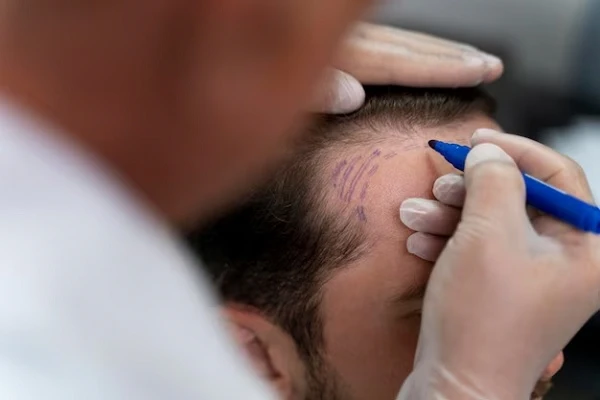
Remember to always consider hair transplant surgery as a last resort after discussing it with a dermatologist or plastic surgeon. While it can be typically highly effective for addressing bald spots, remember to be aware that it does require ongoing maintenance. It’s crucial to thoroughly discuss the procedure, potential risks, and expected outcomes with a medical professional before making any decisions.
Additionally, it is advisable to explore other non-surgical options and lifestyle changes for managing hair loss before pursuing surgical intervention. By weighing all the options and seeking expert guidance, you can make an informed decision about the best course of action for your needs.
Consistency is critical, so don’t be discouraged by slow progress – hair growth is gradual. Speaking to a trichologist can ensure the right plan is in place for long-term hair health and regrowth success.