



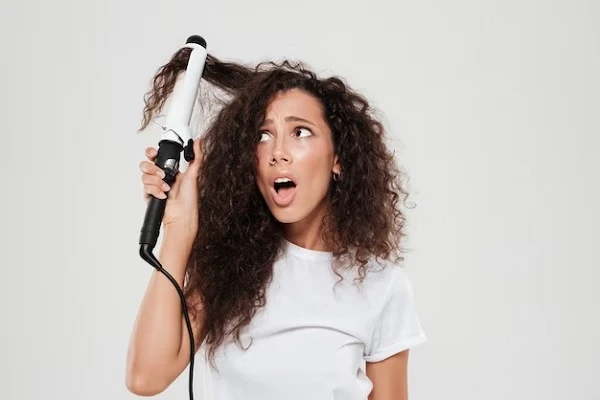
The way we need water to quench thirst is similar to how the hair needs moisture to remain hydrated. So, when you start noticing dull, frizzy, and lackluster strands, you should know that those indicate impending dryness, so it’s necessary to hydrate dry hair. If care isn’t taken in due time, this may result in hair breakage or, worse, hair damage.
As scary as this might appear, the good news is that nobody wants their hair damaged when there’s a solution to prevent it. However, the solution is only good if you understand the causes of dryness. If you’re wondering what that is and how to avoid it, you’re at the best place to find out. Here, we’ll discuss the steps to keep your hair hydrated and repair it from dryness. But before we delve into it fully, let’s first discuss what causes dryness and how to hydrate the hair.
What are the causes of dry hair?
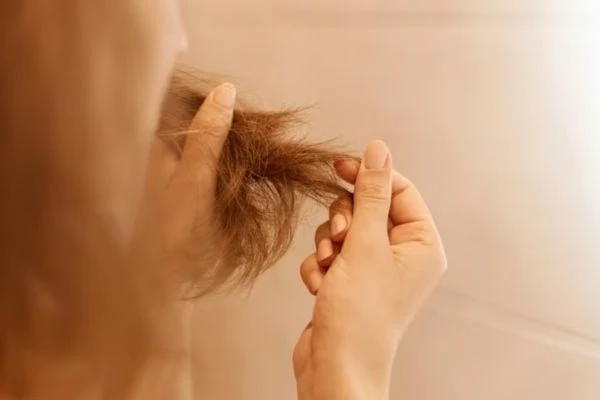
The fact remains that hair is naturally dry, but dryness is eliminated when the sebaceous glands provide oil that moisturizes the hair. So, when your hair is dry, the chances are high that the scalp isn’t supplying the much-needed moisture or oil to keep the hair hydrated. Alternatively, it could be that your hair has lost its ability to retain moisture that keeps it hydrated.
The root causes of dry hair vary from one person to another. However, they fall into the following categories: genetics, dry scalp, old age, environmental exposure, lifestyle habits like smoking, health, psychological conditions, and so on.
While each of these causes is potent enough to cause dryness in the hair, sometimes they combine to create this devastating effect that could lead to hair damage if not cared for. Now that you know what can dry your hair, how do you hydrate it or repair already dry hair? Let’s find it out!
How to hydrate the hair and repair dryness step by step
Do you have dehydrated hair and want to repair it? Then, we will tell you in detail how you can get your hair back in perfect condition. Reconstruction will take some time because it is not an overnight process. To make it easier, at CapilClinic, we want you to be able to moisturize your hair without having to invest a lot of money and time. The following are easy steps on how to keep your hair hydrated to prevent and repair dryness:
1. Use hydrating shampoos
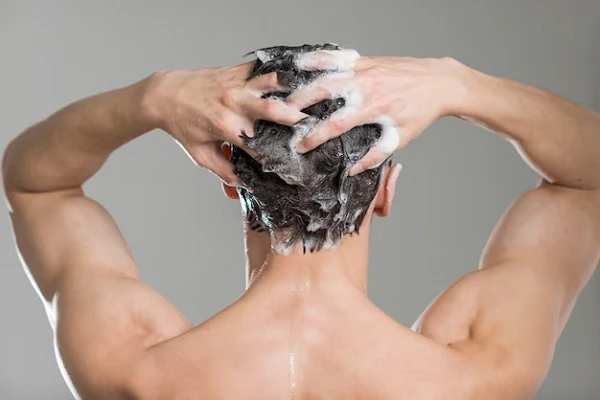
Many shampoos effectively hydrate dry hair by incorporating natural oils that are rich in nutrients. Ingredients like argan oil, avocado oil, jojoba oil, apricot oil, almond oil, and kernel oil provide essential fatty acids, vitamins, and antioxidants, which help moisturize the hair.
Using this type of shampoo can also improve the overall health of your hair by enhancing its nutritional supply. The combination of these nutrients and oils works together to showcase your hair’s best qualities, such as increased length, improved texture, and added shine. Additionally, ingredients like glycerin and aloe vera are beneficial for hydrating the ends of dry hair when included in shampoos.
2. Avoid using shampoo daily
Avoiding daily shampooing can counterintuitively hydrate dry hair by allowing the locks to take a natural regenerative course. When one decreases shampooing frequency, they create an environment where hair is encouraged to recover its natural hydrating oil.
Too frequent shampooing can also damage hair, defeating the purpose of usage. For those with naturally oily hair, a dry shampoo works perfectly by absorbing excess oil at the roots. Rather than stripping away natural oils, dry shampoo hydrates dry hair while extending the time between washes. This gives locks a chance to regain their moisture balance.
3. Practice scalp care

You may not realize that hair health depends on scalp health. To hydrate dry hair, you must practice scalp care. This hands-on care involves cleansing the scalp with scalp-friendly scrubs that maintain scalp health. Scalp massage also encourages blood flow to hair growth cells.
Avoiding excess oil on the scalp helps hydrate dry hair. That’s because the scalp naturally produces oil, keeping it smooth even without additional oils. Cutting out extra oil prevents buildup that could lead to inflammation. Inflammation can open hair cuticles and risk infection, further drying locks.
4. Stop or reduce heat styling
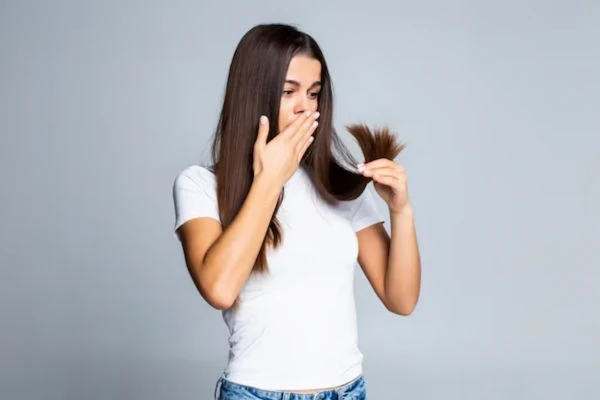
While heat styling undeniably creates beautiful temporary results, the consequences of frequent use outweigh this benefit when trying to hydrate dry hair. Tools like hair dryers and straighteners further dry locks by applying heat.
To actively keep moisture in the hair, one must stop applying heat. Most heat styling devices raise the temperature to 350°F, a level that may too damage hair. If heat cannot be avoided, one can hydrate dry hair by wearing a heat protectant and lowering the temperature to a less damaging 200°F.
5. Use leave-in conditioner
Several factors deplete moisture from hair regularly, such as frequent washing, heat styling, and environmental exposures. While completely avoiding moisture loss is impossible, restoring lost hydration keeps hair hydrated. Deep conditioning provides hydration.
Conditioners hydrate hair most when left in for an extended time, allowing the formulas to soak each strand fully. As we said before, natural oils offer nourishing alternatives for those who find conditioning products lacking. However, moderate application and regular shampooing prevent buildup from stripping hair’s hydration.
6. Avoid chemical applications
Chemical applications are good for hair straightening and are even effective. However, they pose a big threat to the oil in your hair. They sap the oil out, leaving little to nothing to keep the hair hydrated.
Hence, another effective way to keep the hair hydrated is to avoid chemical applications. They are not the ideal solution for frizzy hair. Instead, you should try natural oils that are highly effective for the hair.
Hydration techniques for different hair types
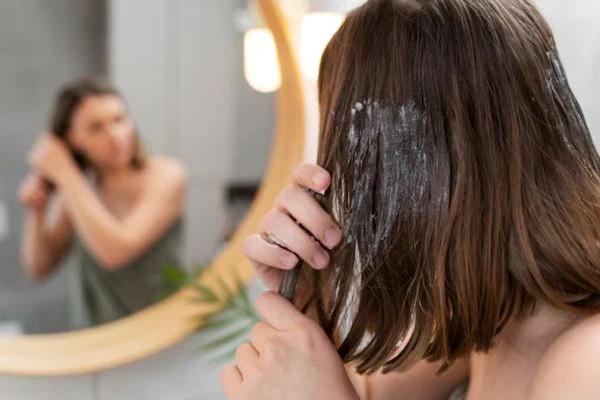
We all want hair that is soft, damage-free, and bursting with moisture. However, what works well for one type of mane may not suit another. To achieve hydrated strands, it is important to tailor your routines based on your specific hair texture. Here are some key hydration techniques to try for different hair types.
- Those with fine hair: Fine hair lacks the ability to retain moisture well and can get weighed down by thick products. To hydrate without heaviness, try a lightweight gel-based serum or leave-in conditioner smoothed through damp locks before styling. Apply sparingly and scrunch in for frizz control. For extra moisture without product buildup, follow regular conditioning with an apple cider vinegar rinse.
- Wavy hair: Ringlets and waves need just the right balance of moisture and definition. For hydration, use a cream or conditioning mask and gently smooth it onto wet strands without disrupting the natural pattern. Detangle carefully with a wide-tooth comb before plopping or diffusing hair dry for softer waves. Oil treatments provide a hit of shine without stripping waves.
- Curlies: Curls demand hydration but too much product creates frizz. For defined, nourished curls, use a generous dollop of a curl-friendly cream, raking through sections before sealing in moisture with an oil like coconut. Plop hair upside down to dry for ringlets. Cowash regularly with conditioner to refresh curls between washes. Deep treatments with shea butter or avocado smooth away frizz.
- Coily hair: Coily hair requires intense moisture care to retain soft definition. Start with a pre-poo treatment using oils like castor, coconut, or olive to nourish before shampooing. Use a moisturizing shampoo. Deep condition weekly under a plastic cap for 30 minutes or overnight. Seal moisture with cream before letting air dry or diffusing curls for kinks and coils with lasting hydration.
- Thick hair: Thick or dense manes need heavier creams and masks to fully hydrate each strand. Apply conditioning treatments from roots to ends, smoothing through sections. Leave in overnight under a shower cap for ultimate repair. Shea butter deep conditioners restore hydration without weight. Cowash one to two times per week for low-maintenance moisture between standard washes.
No matter your hair type, consistency is key for long-term hydration results. Be patient—it can take trying several methods to find the perfect moisture and styling techniques for your unique strands. Listening to hair’s needs creates healthier, better-nourished locks you’ll love.
Faq’s
How often should I use a hair mask to hydrate my dry hair?
It is recommended to use a hydrating hair mask 1-2 times per week for dry hair. Hair needs moisture regularly to stay soft and supple. A weekly hair mask treatment provides intense conditioning to rehydrate parched strands. For severely dry hair, you can even use a mask 2-3 times a week. Listen to your hair – if it still feels dry after shampooing, it needs more moisture. Continued weekly masking trains hair to retain hydration.
Will cutting my hair help to get rid of dryness and improve hydration?
While cutting hair alone may not cure dryness, it can definitely help hair appear shinier and feel softer. A trim removes damaged, dry ends that are prone to splitting. This lets moisture reach further up the hair shaft for a healthier look. Cutting also evens out choppy layers to help styling products like hair masks distribute evenly. However, regular hair conditioning is still needed to keep moisture levels up all over.
How long does it typically take to see results from hydrating treatments for dry hair?
Most people see improvements in hair hydration within 2-4 weeks of adopting a hydrating hair care regimen. Initial results like softer, shinier hair may be noticed after just a few uses. However, it can take regular weekly conditioning over 1-2 months to fully reverse severe dryness. Hair grows slowly, so continued moisture therapy allows new growth to come in nourishment.
Conclusion
Maintaining hydrated hair requires consistency and understanding of individual hair needs. Recognizing the causes of dryness—ranging from genetics to environmental factors—helps tailor effective hydration methods. Techniques like using hydrating shampoos, reducing heat styling, and avoiding chemical treatments restore moisture gradually.
Additionally, specific hydration techniques work best for different hair types, ensuring that each strand receives optimal care. Regular conditioning treatments, trims to remove damaged ends, and patience in applying these routines are essential. With ongoing commitment, hydrated, healthy hair becomes achievable, bringing shine and resilience to each strand, allowing hair to thrive naturally.