



Human hair is essentially cornified cells that develop from hair follicles. It has one of the fastest growth rates for tissues in the body, second only to the bone marrow. You can shed as many as 50 to 150 strands an average day through washing, brushing, combing, or other hair care treatments. The hair you shed daily is nothing compared to the strong-rooted 100,000 to 150,000 strands the average person has. This begs whether you can donate hair to someone who needs it.
That’s the essence of this blog post. If you have a healthy head of hair and would like to share your hair with those battling hair loss for one reason or another, please read on. We’ll explore the conditions that may result in hair loss and how you can help. So, stay with us!
What Causes Hair Loss?
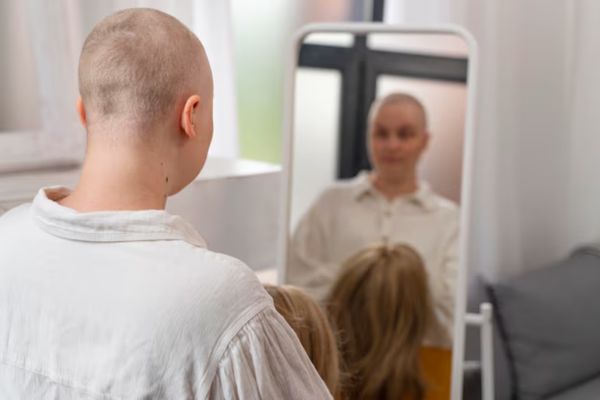
A variety of medical issues and treatments can result in temporary or permanent hair shedding. Cancer patients often experience hair loss during chemotherapy or radiation therapy as these treatments target rapidly dividing cells like those found in hair follicles. Other conditions linked to hair loss include alopecia areata (autoimmune hair loss), burns, trichotillomania (hair-pulling disorder), thyroid issues, hormonal imbalances, and chronic illnesses. Genetic factors also play a role, as seen with pattern baldness in men.
For cancer patients in particular, hair is so much more than a cosmetic concern. Losing one’s hair during treatment can serve as a visible and painful reminder of the disease. It also draws unwanted attention, questions, and stigma at a time when privacy and normalcy are critical for well-being. This is where donor hair comes in to provide continuity, confidence, and control during a difficult journey.
Can You Donate Your Hair?
The world is affected by many diseases, some of which can be genetic and caused by lifestyle choices, diet, and other factors. Some of these diseases can be life-threatening, while most can be managed effectively through technology and medicine. Examples of such diseases include cancer, high blood pressure, arthritis, and heart disease, which may lead to hair loss. Radioactive therapy is an effective treatment for life-threatening diseases like cancer and leukemia.
However, it can cause severe hair loss while targeting cancer cells and treating leukemia. The effects of these treatments can result in temporary or permanent hair loss. Many individuals undergoing treatment may not want others to know about their condition. The noticeable and rapid loss of hair can lead to uncomfortable questions that some patients prefer not to answer. One way to help is by donating hair to make wigs for those in need. You can donate your hair to someone you know or send it to facilities that handle hair donations. Your donated hair can bring happiness to those in need, giving a new life to the locks you were considering discarding.
Why is it important to Donate Your Hair?
If you’ve been growing out your hair or are simply ready for a change, consider donating your cut locks rather than throwing them away. With each hair donation, you can literally change someone’s world. Your hair will be used to create a high-quality, human hair wig through an accredited organization like Locks of Love or Wigs for Kids. These custom wigs provide both physical and emotional benefits:
- Comfort and confidence: A real hair wig looks, feels, and acts just like the recipient’s original hair. This allows them to regain self-esteem and feel normal again.
- Versatility: Human hair accepts heat styling, coloring, perming, and other treatments for a natural look. Synthetic wigs cannot match this versatility.
- Longevity: Donated hair is professionally crafted into wigs that can last 1-2 years with proper care. This saves recipients ongoing costs of replacement.
- Anonymity: A wig allows patients to choose if, when, and how they share their illness story. Hair loss is no longer a “tell.”
- Inclusiveness: Wigs empower kids and adults across gender, racial, cultural and religious identities to feel beautiful as they are.
How to Donate Some Hair?
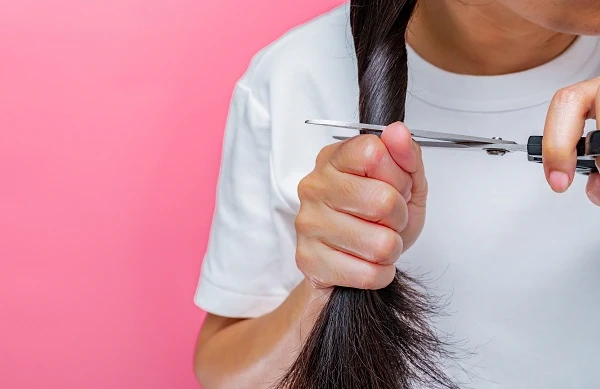
By now, we’re confident you already know you can donate hair, whether fine, coarse, or medium. However, you must follow some steps and meet some requirements before your donation becomes worthy of acceptance. You can either cut the tresses yourself or go to a salon to get it done.
There are donation salons that partner with hair donation collection centers. You can look up the closest one and go there to have your hair cut. Without further ado, here are the steps:
Ensure it’s clean and dry
When you donate hair, only dry tresses are acceptable. This is because wet hair will develop mold during the transportation process and eventually get thrown out. To ensure that your strands meet this requirement, it’s best to cut them just after your most recent wash and make sure that they are completely dry before sending them for donation.
Cut it well
Now, when cutting the hair yourself or at a salon, ensure the hair is in four sections before snipping. You can also make it six, which is much better because it’ll result in generous amounts afterward. If you’re doing it yourself, make a parting at the center of your head. Then, part the hair again, starting from the center of your head, where you made the first part.
Tie these sections into a tight ponytail to prevent the strands from coming unraveled during transportation. You can use tight rubber bands to secure the ponytails and cut the hair right above the bands. Finally, wrap the ponytails in packaging paper and ship them out.
The Requirements for Acceptable Hair
It’d be challenging to maintain order if donating hair had no requirements. People will donate all sorts of locks, which will take too much time to sort through. So, the average center that accepts hair donations has these requirements:
- In order to donate your hair, it needs to be a minimum of 12 inches in length, even if it’s curly. If you have curly hair, you can straighten it and then measure it before cutting.
- Your hair must be in its natural state, so colored, permed, or highlighted hair cannot be donated. However, if your hair has temporary color or highlights, you can wash it out before cutting and donating it.
- If your highlights or hair dye is temporary, you can wash it out before donating the hair. Remember to wash first, then cut after.
- It’s possible to donate gray hair, but not all organizations accept it. Therefore, it’s important to check with the organization before cutting and donating gray hair.
The Donation Process
When your hair grows to the desired length and meets all criteria, scheduling a haircut donation is simple. Book an appointment at a participating salon, which will bundle your hair into sections before shipping it to charity partners. You can also cut hair at home; just be sure to follow bundle/parting instructions.
Most charities cover shipping costs and provide donation bags, labels, and instructions as needed. Packages can be dropped off at post offices or arranged for curbside pickups. Your gift of hair could then help someone undergo cancer treatment with confidence, express their identity proudly, or feel beautiful inside and out once more.
By paying it forward with your cut locks, you have the power to change lives through renewed self-esteem, normalcy, and hope. For those experiencing hair loss, the gift of a custom human hair wig is priceless. I hope sharing my story inspires you to consider donating hair and bringing a smile to someone facing a challenge. Your gift will grow and continue giving long after your hair has.