



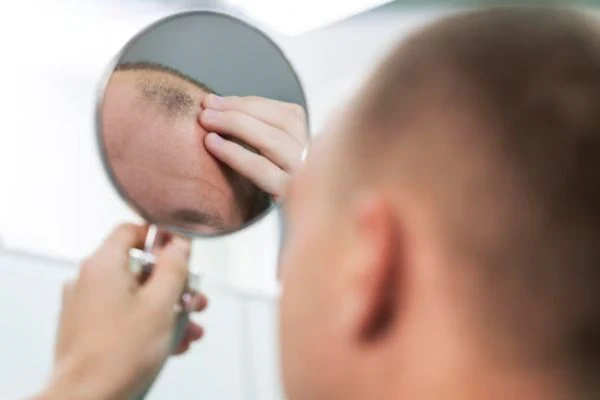
Hair loss is a concern for people of all ages and genders. Among the various options available to combat this issue, hair grafting has gained popularity due to its effectiveness and long-lasting results. However, individuals considering hair transplants often inquire about the timeframe for noticeable changes. When a patient opts for this procedure, it’s essential to provide them with our undivided attention. In this article we will talk about How Long Does It Take to See the Final Results of a Graft.
This isn’t primarily due to potential risks, as hair grafting is one of the fastest and safest cosmetic procedures. Instead, it’s crucial to take precautions to minimize setbacks and expedite the enjoyment of its benefits. This article will explore the timeline for achieving the final outcomes of a hair graft. Let’s delve into the world of hair grafting.
Understanding Hair Grafting
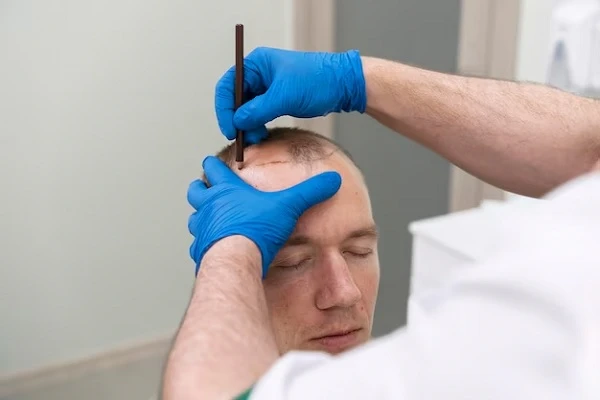
Hair grafting, also known as hair transplantation, is a specialized surgical procedure devised to combat the challenges of hair loss and thinning. This complex process entails the extraction of healthy hair follicles from specific regions of the body, typically the back or sides of the head, where hair is less susceptible to thinning or balding. These extracted follicles are then meticulously relocated to the targeted area, often the crown of the head, where hair regrowth is desired.
Hair transplantation encompasses two primary techniques, each with its own intricacies:
Follicular Unit Transplantation (FUT)
In the FUT method, a strip of skin containing a cluster of hair follicles is carefully removed from the donor area. Subsequently, this strip is dissected into individual follicular units, a process that demands precision and expertise. These individual follicular units are then transplanted to the recipient area to promote natural hair growth.
Follicular Unit Extraction (FUE)
FUE represents a more minimally invasive approach. It involves the direct extraction of individual hair follicles from the donor region, often one at a time. This meticulous process is followed by the transplantation of these extracted follicles into the recipient area, where they are strategically placed to encourage the growth of new hair.
The timeline for achieving the final results of a hair graft varies from person to person, influenced by factors such as the extent of hair loss, individual healing capabilities, and the specific technique employed. Generally, here is an overview of what can be anticipated at each stage of the process:
Immediate Post-Procedure
After the hair transplantation procedure, there may be some redness, swelling, or minor discomfort in the treated areas. However, this typically subsides within a few days.
Initial Growth
The transplanted hair follicles enter a resting phase before starting to grow new hair. Initial signs of growth can typically be observed within a few months.
Significant Growth
Substantial hair growth becomes more noticeable in the months following the procedure, with many individuals experiencing significant improvements within six to twelve months.
Final Results
The full and final results of the graft become apparent around the one-year mark. At this stage, the transplanted hair blends seamlessly with the existing hair, providing a natural and fuller appearance.
It’s important to note that the timeline for achieving final results can vary, and some individuals may see continued improvements for up to 18 months after the procedure. Close post-operative follow-up care is crucial to monitor progress and address any concerns that may arise during the recovery and growth stages.
Timeline Until we Reach the Final Results of a Graft
Immediate Postoperative Period (0-2 weeks)
During the Immediate Postoperative Period, which spans the first 0-2 weeks following the hair grafting procedure, you may experience some common occurrences in the transplanted area. These may include redness, swelling, and heightened sensitivity. It’s also quite usual to notice the formation of scabs and small crusts around the newly implanted hair follicles.
To ensure the success of your hair transplant, it is crucial to strictly adhere to post-operative care instructions and avoid engaging in physically demanding activities during this early stage of recovery.
Early Growth Phase (2-4 months)
As you transition into the Early Growth Phase, which typically lasts from 2 to 4 months after the procedure, you might notice some of the transplanted hair falling out. This is a natural phenomenon referred to as “shock loss” and should not cause concern. The good news is that new hair growth will begin, albeit initially appearing fine and colorless.
Intermediate Growth Phase (4-6 months)
Moving on to the Intermediate Growth Phase, which occurs between 4 to 6 months post-surgery, the hair that has been transplanted will continue to grow. Over time, its texture will progressively resemble that of your original hair. This is an exciting phase for most patients, as they start to observe significant enhancements in the thickness and density of their newly transplanted hair, bringing them closer to their desired results.
Maturation Phase (8-12 months)
In the maturation phase, which typically spans from 8 to 12 months following your hair transplant, the transplanted hair follicles undergo a fascinating transformation. During this period, you’ll notice a gradual thickening and coarsening of these transplanted follicles. This natural process brings them closer to mirroring the original hair characteristics observed in the donor area, which is usually at the back of your head.
A remarkable increase in hair density becomes evident during this phase, contributing to a progressively enhanced overall aesthetic outcome. As time goes on, your newly transplanted hair will continue to blend in more seamlessly with your existing hair, resulting in a more natural and fuller appearance.
Final Results (12-18 months)
As you reach the 12 to 18-month mark after the hair transplant procedure, you should have a comprehensive understanding of the final results. By this time, the transplanted hair will have seamlessly integrated with your natural hair, achieving a virtually indistinguishable blend.
One of the most gratifying aspects of this stage is that you’ll experience a significant reduction in concerns about hair loss in the treated area. The transplanted hair is now firmly rooted and resilient, giving you long-term confidence in the restoration of your hair.
Factors Impacting the Recovery Timeline
The timeline for observing the full effects of a hair graft is subject to various factors, each with its unique influence:
- Individual Healing Process: The rate at which an individual’s body heals is a highly personalized experience. Leading to potential variations in the timing of the healing process. Factors such as genetics, overall health, and lifestyle play a role in this individual healing pace.
- Surgical Technique: Different hair transplant techniques, such as Follicular Unit Transplantation (FUT). And Follicular Unit Extraction (FUE). Come with their own recovery periods and timelines for visible outcomes. FUT, which involves removing a strip of scalp, may have a slightly different healing timeline compared to FUE, where individual hair follicles are extracted.
- Extent of Hair Loss: The degree of hair loss and the number of grafts required can significantly impact the final results. And the duration needed to observe noticeable improvements. Extensive hair loss and a higher number of grafts may necessitate a longer recovery period.
- Patient Compliance: The speed of recovery can be enhanced by strict adherence to post-operative care instructions provided by the surgeon. This includes refraining from activities that may disturb the grafts and faithfully following the prescribed medication regimen and topical treatments.
- Medical Conditions: Underlying medical conditions or the use of specific medications can affect the rate of recovery and hair growth. Chronic health issues or medications that interfere with the body’s natural healing processes can slow down the overall healing timeline.
Managing Expectations in Detail
Effectively managing expectations is pivotal when undergoing a hair transplant procedure. While the results can be exceptionally satisfying, it’s essential to understand that they do not manifest instantaneously. Here’s a more detailed breakdown of strategies to manage expectations effectively:
- Consult with a Specialist: Engage in a comprehensive consultation with a seasoned hair restoration specialist. Share your hopes and concerns openly to receive an honest and individualized assessment of your unique situation. A specialist can evaluate factors such as your hair loss pattern, donor area, and overall health to provide tailored insights.
- Stay Informed: Take the time to educate yourself about the typical hair grafting process, including the various stages of graft growth. Understanding the natural progression of hair growth after a transplant can alleviate unnecessary worry during the healing phase. It’s essential to recognize that new hair growth takes time and follows a specific pattern.
- Follow Post-Operative Care: Adherence to post-operative care instructions is critical for achieving the best possible results. This includes avoiding activities that might disrupt the newly transplanted grafts. As well as consistently following the prescribed medications or topical treatments. Your surgeon will provide specific guidelines to ensure a smooth and successful recovery.
- Plan for Multiple Sessions: Depending on the extent of your initial hair loss and your desired outcome. It’s important to be open to the possibility of multiple hair grafting sessions. Some individuals may need more than one session to achieve their desired level of hair density and coverage. Discuss this possibility with your surgeon during the initial consultation to establish a realistic treatment plan.
Steps to Take Before Having A Hair Implant
Prior to getting a hair implant, there are some important steps to consider. To start, it’s crucial to locate a skilled professional, like the experts you’ll find at Capiclinic. After the surgery, there will be follow-up appointments to check how the grafting process went and determine if any touch-ups are needed. During this time, your trust will be in the capable hands of the medical team.
final results of a graft Conclusion
Hair grafting is a proven and effective method to combat hair loss and boost hair density. While the procedure may require patience, the end results are well worth the wait. Understanding the typical timeline and managing your expectations can make the journey towards a fuller and more voluminous head of hair a smoother one. If you’re considering hair grafting, it’s wise to consult with a certified specialist, such as those at Capiclinic. Who have the expertise to guide you through the process and provide personalized recommendations to maximize your final results.