



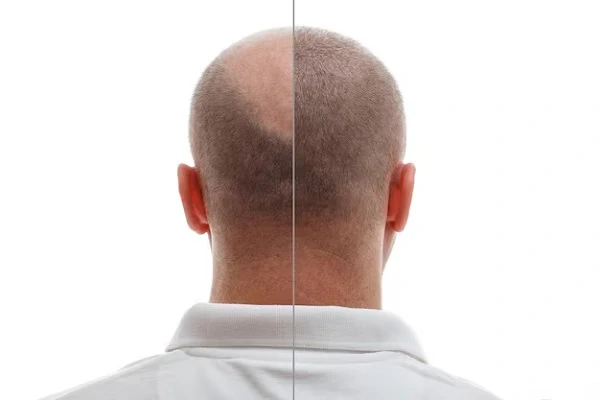
A hair transplant is a surgical procedure designed to combat hair loss by moving the follicles from one area to another of the body, known as the donor site, to the bald or thinning area, known as the recipient site. The most common type of hair transplant is the Follicular Unit Transplantation or Follicular Unit Extraction. In this article we will talk about How A Hair Transplant Is Performed. In FUT, a strip of the donor’s skin comprising hair follicles is extracted. The strip is then divided into separate follicular units, which are tiny groups of hair follicles. These units are then implanted into the recipient site, where hair growth is desired.
FUE, on the other hand, involves the extraction of individual follicular units directly from the donor site using a small punch-like instrument. The harvested follicles are then transplanted into the recipient site. Both procedures aim to provide a natural-looking and long-lasting solution to hair loss. The success of a hair transplant depends on various factors, including the surgeon’s skill, the quality of the donor hair, and the patient’s overall health. After the procedure, there is a recovery period, and over time, the transplanted hair starts to grow, blending in with the existing hair.
Performing Hair Transplant
When faced with an elevated level of hair loss, the optimal solution for restoring lost hair and triggering growth in areas that had seemingly ceased to do so is to undergo a hair graft intervention.
Among the various methods available, the most advanced and successful one to date is the Follicular Unit Extraction (FUE) technique. This sophisticated procedure involves the meticulous removal of follicular units—small, natural groupings of one, two, three, or four hairs, along with their associated glands, erector muscles, and blood vessels. These units are carefully harvested from a designated donor area, typically situated at the back of the head.
Following the extraction, the collected follicular units undergo a delicate transplantation process. They are meticulously grafted into the targeted areas where hair is lacking or entirely absent. This intricate procedure ensures not only the relocation of hair follicles but also the accompanying elements necessary for sustained and natural hair growth. Overall, the FUE technique stands out as a cutting-edge approach, providing optimal results in hair restoration.
How Is Hair Graft Surgery?
Embarking on the journey of hair transplantation involves a meticulous process, consisting of several nuanced phases aimed at restoring a patient’s hair. Let’s delve into each stage with greater detail:
Comprehensive Patient Assessment
The procedure initiates with an exhaustive check-up, where both the donor and recipient areas undergo thorough scrutiny. Through a detailed analysis, the patient’s suitability for transplantation is established, and the most suitable technique catering to their individual needs is identified. This phase serves as the foundation for explaining the entire process to the patient, providing insights into the forthcoming journey of hair recovery.
Localized Anesthesia Application
As the operation is inherently non-invasive, the initial step involves the precise application of local anesthesia to the donor area. This careful administration sets the stage for the subsequent extraction of follicles, ensuring a pain-free experience for the patient.
Follicle Extraction Process
Once the anesthesia takes effect, the extraction of follicular units commences. Employing specialized tools such as a precision punch or extractor, the follicles are delicately removed. This step demands utmost precision to ensure the viability of the extracted follicles for transplantation.
Grouping and Preservation of Follicles
After the extraction, the harvested follicles are meticulously grouped together. To maintain their optimal condition until reimplantation, they are carefully preserved in a solution with a controlled low temperature. This meticulous preservation process guarantees that the follicles remain viable and healthy for the subsequent stages of the transplantation.
Incisions
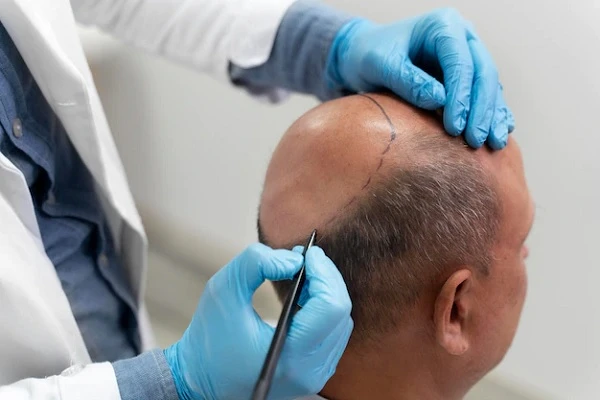
Following the completion of hair extraction, the next critical phase involves the intricate process of creating tiny incisions in the bald area to accommodate the grafting of previously harvested hair. These meticulous incisions mark the beginning of the hair placement or grafting phase, a pivotal step in the overall procedure.
Follicular Precision
The extracted follicles are delicately reimplanted one by one into the meticulously crafted incisions in the donor area. This phase demands the utmost precision from the surgeon, as they must consider not only the angle but also the depth of insertion to ensure a seamlessly natural graft with enduring results.
Time Investment
The duration of this follicle implantation process can extend up to six or seven hours, contingent upon the quantity of follicles slated for transplantation. For those opting for a comprehensive scalp graft, spanning approximately eight hours, the procedure is strategically divided into two four-hour sessions. This approach allows for periodic breaks, ensuring the well-being of both the patient and the medical team.
Post-Operative Care
In the initial hours post-surgery, patients may observe mild inflammation in the scalp, accompanied by the formation of scabs. These scabs, serving a protective function, naturally dissipate in the ensuing days. After a three-day period, the protective bandage is gently removed, empowering the patient to gradually resume a normal lifestyle and return to work with confidence.
Who Is A Good Candidate For A Hair Transplant?

A well-suited candidate for a hair transplant possesses a combination of specific characteristics, and a thorough evaluation by a qualified medical professional is crucial for personalized guidance. Here are more detailed criteria for potential candidates:
Hair Density and Quality
The donor area’s hair should not only be sufficient in quantity but also exhibit good density and quality. The hair in this region typically serves as the source for transplantation, and its health influences the success of the procedure.
Stability of Hair Loss
Candidates should demonstrate a stable pattern of hair loss. Transplants are most effective when the hair loss has plateaued, preventing the risk of further recession that could compromise the transplanted follicles.
Health Status
Good overall health is paramount. Candidates should not have uncontrolled medical conditions, as certain health issues. Like poorly managed diabetes, can hinder the healing process and increase the risk of complications.
Medication and Health History
A comprehensive review of the candidate’s medical history is essential. Some medications or health conditions may contraindicate the procedure, and a thorough assessment ensures the individual’s safety and well-being during and after the surgery.
Realistic Expectations
Candidates must have realistic expectations regarding the outcomes of the procedure. While a hair transplant can yield substantial improvements. It might not fully restore the original hair density, particularly in cases of extensive baldness.
Procedure Understanding
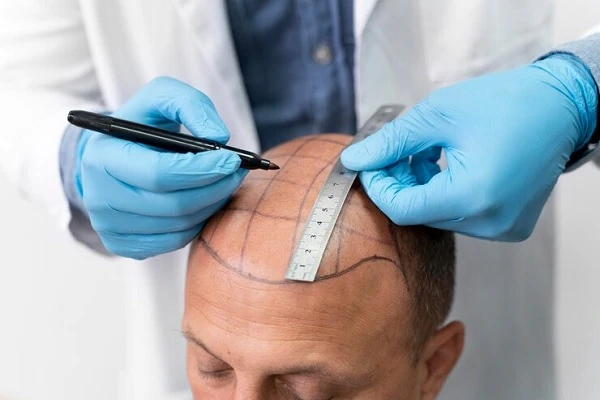
A thorough understanding of the hair transplant process is crucial. Candidates should be well-informed about the various techniques (FUT or FUE). Potential risks, and the post-operative care required for optimal results.
Emotional and Psychological Preparedness
Recognizing the psychological impact of hair loss, candidates should be emotionally prepared for the transformative journey of a hair transplant. This includes understanding the time required for transplanted hair to grow and integrate with the existing hair.
Absence of Contraindications
Candidates should not have medical conditions or be on medications that could compromise the success of the procedure. Certain autoimmune diseases or blood clotting disorders may pose risks and need careful consideration.
Age Consideration
While there’s no strict age limit for a hair transplant, candidates should ideally be beyond their late teens when patterns of hair loss become more apparent and predictable. The decision for a hair transplant is nuanced, and a detailed consultation with a qualified hair restoration specialist. Is crucial for a comprehensive assessment of the individual’s suitability and potential success with the procedure.
Benefits of Hair Transplants
- Permanent and Lasting Results: Hair transplants provide a permanent solution to hair loss, utilizing the patient’s own healthy hair follicles for sustainable and enduring results.
- Natural Aesthetics: Transplanted hair grows naturally, seamlessly integrating with the existing hair in terms of color, texture, and pattern, creating a more authentic appearance.
- Enhanced Psychological Well-being: The restoration of a fuller head of hair often contributes to increased self-confidence and improved self-esteem, positively impacting the individual’s overall mental health and well-being.
- Low Maintenance Requirements: Once the transplanted hair has fully grown, it requires no special care beyond regular grooming and maintenance, offering a convenient and low-maintenance solution.
- Customized and Natural-Looking Results: Hair transplants allow for a highly customizable approach, enabling surgeons to design a new hairline and density that align with the patient’s unique facial features and aesthetic preferences.
Risks and Considerations
- Surgical Risks: As with any surgical procedure, there are inherent risks such as bleeding, infection, and adverse reactions to anesthesia. However, these risks are typically minimal when performed by experienced and skilled surgeons in a sterile environment.
- Potential for Scarring: The Follicular Unit Transplantation method may result in a linear scar in the donor area. While the Follicular Unit Extraction technique may cause tiny, scattered scars. Advanced techniques and proper care can minimize the visibility of these scars.
- Postoperative Discomfort: Patients may experience temporary discomfort, swelling, or itching in the treated areas immediately after surgery. These effects can be managed with prescribed medications and typically subside as the healing process progresses.
- Financial Considerations: Hair transplants can represent a significant financial investment. Prospective patients should carefully weigh the potential benefits against the associated costs and consider their budget.
While the benefits of hair transplants are considerable, individuals contemplating this procedure should be aware of the associated risks and considerations. Consulting with a qualified and experienced medical professional. Allows for a detailed assessment of individual circumstances and a more informed decision-making process.