



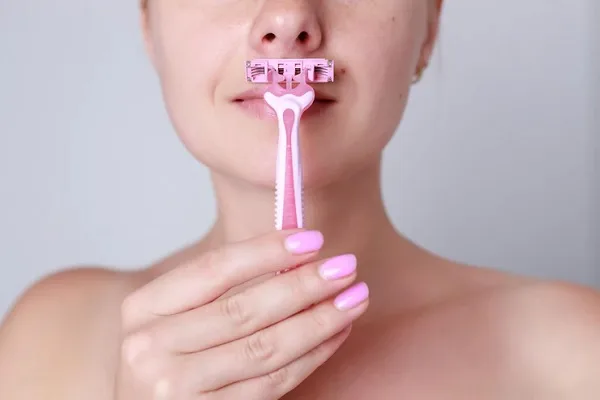
Hormonal hirsutism is a condition that affects a significant number of women and individuals assigned female at birth (AFAB). An abnormal increase in hair growth characterizes it. Unlike the soft, fine hair commonly known as “peach fuzz” that typically adorns certain body areas, those affected by hirsutism may develop thick, dark, and coarse hair in unexpected locations.
Common areas for this unwanted hair growth include the chin, upper lip, chest, abdomen, and back. While hormonal hirsutism can be a source of distress and self-consciousness, effective treatments are available, offering a ray of hope for those seeking relief from this condition.
What is Hormonal Hirsutism?
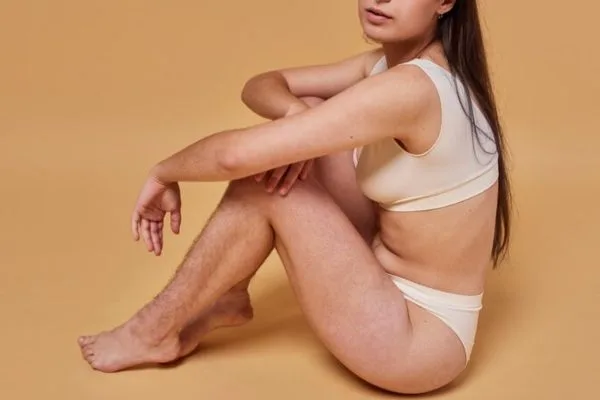
Hormonal hirsutism is a condition that can significantly impact a woman’s confidence. It is characterized by excessive, coarse hair in areas typically associated with male hair growth, such as the face, chest, and back. Hormonal imbalances, specifically an increase in androgens, often called male hormones, cause this condition, among other conditions.
At Capilclinic, we understand the impact of conditions like hormonal hirsutism on confidence and quality of life. We are here to provide hope and reassurance. Our approach combines advanced knowledge with compassionate care, guiding our patients toward effective solutions. From medical evaluations to tailored treatments, our goal is to address the underlying causes of hirsutism while supporting natural hair health.
Causes of Hormonal Hirsutism
As we said before, hormonal hirsutism is a medical condition that causes excessive hair growth in women. It results from a significant imbalance in male hormones, collectively known as androgens. These hormones, including testosterone, play a key role in developing masculine traits and influence body hair growth and distribution. Let’s see in detail the factors that contribute to the development of hormonal hirsutism.
Polycystic Ovarian Syndrome (PCOS)
Polycystic Ovarian Syndrome, commonly referred to as PCOS, is the leading cause of hormonal hirsutism. This intricate hormonal disorder manifests as an imbalance in the body’s hormone levels, particularly the overproduction of androgens.
Remember that androgens are often considered male hormones. Women with PCOS may experience a variety of symptoms, including irregular menstrual cycles, weight gain, and acne, alongside the excessive hair growth that marks this condition.
Adrenal Gland Disorders
Disorders that affect the adrenal glands can significantly contribute to hormonal hirsutism. These small glands are located on top of each kidney. Conditions such as congenital adrenal hyperplasia, a genetic disorder that impacts adrenal hormone production, and Cushing’s syndrome, which is characterized by an overproduction of cortisol, can lead to elevated levels of androgens.
The excess hormones resulting from these conditions can cause unwanted hair growth associated with hormonal hirsutism and other physical changes and potential health complications.
Medications

Certain medications may contribute to hormonal imbalances, leading to increased androgen levels and the subsequent development of hormonal hirsutism. For example, anabolic steroids, often misused for enhanced athletic performance or muscle growth, can significantly raise androgen levels.
Similarly, progestin-only contraceptives, which are hormonal birth control methods, can have side effects that include the exacerbation of hirsutism in susceptible individuals.
Genetics
In addition to these factors, genetics can also play an essential role in hormonal hirsutism. Some people may have a hereditary predisposition to develop this condition due to their genetic makeup.
A family history of hormonal disorders may increase the likelihood of experiencing symptoms of hirsutism, suggesting that the underlying causes may be rooted in one’s genetic lineage.
What are the symptoms of Hormonal Hirsutism?
Excessive hair growth is often the most noticeable and distressing symptom for women with hormonal hirsutism. The hair growth appears in a male-pattern distribution, typically on the face, chest, abdomen, and back.
In addition to the physical symptoms, hormonal hirsutism can also have a significant impact on a woman’s emotional well-being and self-esteem. The condition can lead to feelings of self-consciousness, social anxiety, and depression. In short, you should consult a doctor if you have one of the following symptoms:
- Increased terminal hair growth on the face, such as a beard or moustache.
- Increased terminal hair growth on the chest, abdomen, back, or other androgen-sensitive areas.
- Thickening and darkening of existing body hair.
- Irregular or absent menstrual periods.
- Oily skin.
- Deepening of the voice.
- Increased muscle mass.
- Enlargement of the clitoris.
How do you know if you have hirsutism?
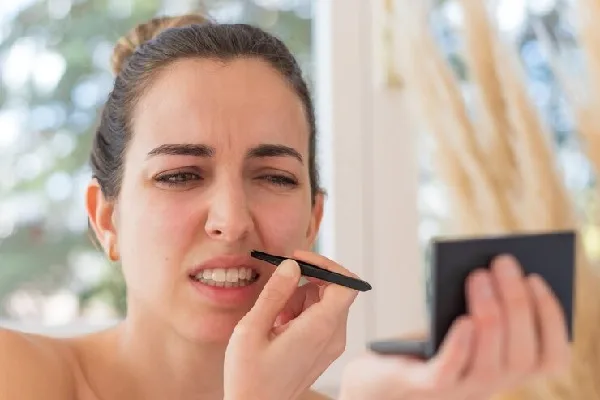
The healthcare medic will conduct a thorough physical examination to evaluate the presence and extent of unusual hair growth, a condition known as hirsutism. During this assessment, the doctor will focus on the areas where excessive hair growth is noted and examine the skin for additional physical signs associated with hirsutism, such as acne or other dermatological changes.
After an initial diagnosis, the specialist may utilize the Ferriman-Gallwey scale to quantify the severity of hirsutism. This established scale systematically assesses hair growth across nine specific body regions typically affected by hirsutism: the upper lip, chest, upper arms, upper abdomen, lower abdomen, thighs, upper back, lower back, and buttocks.
Each of these areas is scored from 0 to 4 based on the density and thickness of hair present. A score of 0 signifies the absence of excessive hair growth, while a score of 1 indicates light hair growth that may not be particularly noticeable. A score of 2 represents moderate hair growth, and scores of 3 and 4 reflect more advanced stages of hirsutism, with 4 signifying severe hair growth in that specific area.
The cumulative score from these regions helps the doctor determine the degree of hirsutism and can guide further evaluation or treatment options tailored to the patient’s needs.
How do you treat hirsutism hormones?
The specific treatment plan will depend on the underlying cause of the hormonal imbalance and consider the severity of the symptoms. Additionally, the patient’s preferences are key in shaping the approach. To ensure effective management, working closely with a healthcare provider is essential. For instance, specialists like endocrinologists or dermatologists can help develop a personalized treatment strategy. This approach should address the root cause while managing the symptoms of hormonal hirsutism.

That said, there are several treatment approaches for managing hormonal hirsutism. They often involve a combination of medical and cosmetic interventions.
1. Medications
Antiandrogen medications
These are specialized drugs designed to combat the effects of androgens. Notable examples include spironolactone, cyproterone acetate, and finasteride. By blocking androgen receptors and inhibiting their action, these medications effectively reduce hair growth in areas where it may be unwanted.
Oral contraceptives
Birth control pills containing a combination of estrogen and progestin not only serve their primary purpose of preventing pregnancy but also play a vital role in managing hormone levels. By regulating the menstrual cycle and reducing the production of androgens, these pills can significantly lower the incidence of hirsutism, the condition characterized by excessive hair growth.
Insulin-sensitizing agents
Medications such as metformin are often prescribed to address underlying hormonal disorders like polycystic ovary syndrome (PCOS). By improving insulin sensitivity, these agents help to normalize hormone levels and mitigate symptoms associated with hormonal hirsutism.
2. Topical Treatments
Eflornithine cream
This FDA-approved topical solution is specifically formulated to slow the rate of facial hair growth. Consistent application can significantly reduce unwanted facial hair, making it a valuable option for women seeking to manage hirsutism.
Retinoids
Topical retinoids, such as tretinoin, are commonly used in skincare. When applied to areas with coarse, dark hair, they promote cell turnover and can enhance the overall appearance of the skin while helping to soften and reduce the visibility of unwanted hair.
3. Cosmetic Procedures
Electrolysis
Electrolysis is a time-tested hair removal method that uses electrical currents to destroy individual hair follicles. This technique ensures a permanent solution to unwanted hair and is effective on all skin types. However, it may require multiple sessions for optimal results.
Laser hair removal
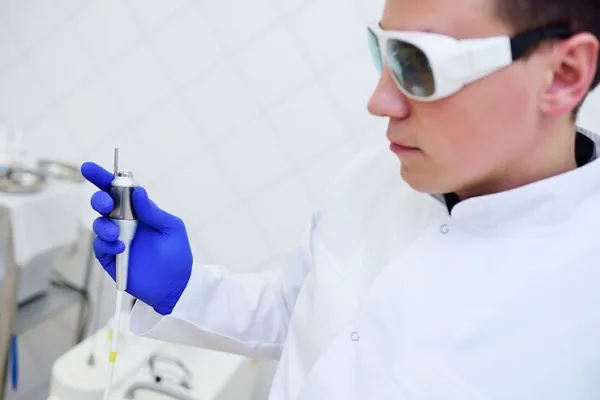
This cutting-edge treatment employs concentrated beams of light to target and destroy hair follicles, resulting in a significant and often permanent reduction in unwanted hair. Hair laser therapy is particularly effective for larger areas and is favoured for its precision and long-lasting results.
4. Lifestyle Modifications
Weight management
Adopting and maintaining a healthy weight is essential for regulating insulin levels and balancing hormone production. For many women, even modest weight loss can significantly improve symptoms associated with hormonal imbalances.
Exercise
Regular physical activity helps with weight management and plays a critical role in addressing conditions such as PCOS. By affecting hormone levels, exercise can significantly reduce androgen production and improve overall health.
Stress management
Stress can have a negative impact on hormone levelsls, exacerbating conditions like hirsutism. Stress-relief techniques such as yoga, meditation, or professional counselling can help stabilize hormone levels, improve overall health and manage unwanted hair growth.
Faq’s
When should I see a doctor for hirsutism?
Consult a doctor if you notice sudden or severe hair growth, irregular menstrual cycles, or other symptoms like rapid weight gain or acne. Early diagnosis is key to effective treatment.
Are there non-medical treatments for hirsutism?
Non-medical treatments include lifestyle changes, such as weight management, and hair removal techniques, such as shaving, waxing, laser hair removal, or electrolysis.
How is hormonal hirsutism diagnosed?
Diagnosis involves a physical examination, medical history, and blood tests to measure androgen levels. Imaging tests like ultrasounds or CT scans may be used to detect underlying conditions such as PCOS or adrenal disorders.
Conclusion
Hormonal hirsutism is a condition that significantly impacts individuals’ confidence and quality of life, but it is treatable with the right approach. Early diagnosis and personalized treatment plans are essential for managing the symptoms effectively. Medical treatments such as anti-androgen medications, oral contraceptives, and topical solutions, combined with lifestyle modifications like weight management and regular exercise, can help control excess hair growth. Additionally, cosmetic procedures like laser hair removal and electrolysis offer long-term solutions. With the support of healthcare professionals, those affected by hirsutism can find relief and regain their confidence.
At Capilclinic, we’re trusted by thousands of patients in the UK and Europe as a leading Hair Transplant Clinic in Turkey and Spain, known for our expert doctors, advanced facilities, natural hairline results, and affordable all-inclusive packages. Reach out to our team today to start your transformation.