




However, when cortisol levels remain elevated due to chronic stress, like that experienced in high-pressure jobs, it can have adverse effects. Long-term elevated cortisol can lead to health issues such as anxiety, depression, digestive problems, heart disease, sleep disturbances, and weight gain. The persistent presence of high cortisol can disrupt almost every bodily function, making it crucial to manage stress effectively to maintain overall health and well-being. Understanding how cortisol works and recognizing its signs can be the first step in mitigating its negative effects.
High-Pressure Jobs and Cortisol Levels
The Connection
High-pressure jobs often require long hours, quick decision-making, and multitasking, all of which can contribute to chronic stress. This constant state of alertness keeps cortisol levels high, leaving the body in a perpetual “fight or flight” mode. The relentless demands and expectations of these roles can lead to a continuous cycle of stress, where the body’s natural ability to cope becomes overwhelmed.
Over time, this can lead to burnout and a range of health problems. Individuals in high-stress occupations, such as corporate executives, surgeons, and air traffic controllers, may find themselves dealing with these issues more frequently. The physical and mental toll of maintaining high cortisol levels can decrease work performance, increase absenteeism, and even lead to long-term health consequences if not managed properly. Recognizing the link between job stress and cortisol is essential for developing coping strategies that can mitigate these risks.
Signs and Symptoms
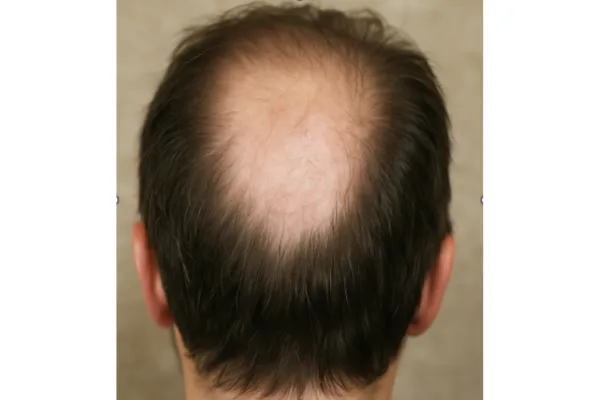
One of the less obvious signs of high cortisol levels is changes in hair health. Excess cortisol can impact the hair growth cycle, leading to hair thinning or loss. If you notice your hairline receding or your hair becoming thinner, it might be worth considering your stress levels and their potential impact on your health. A receding hairline or noticeable hair loss can be alarming, but it can also serve as an early warning sign that your body is struggling to manage stress effectively.
Other symptoms of elevated cortisol can include fatigue, irritability, headaches, difficulty concentrating, and frequent colds or infections. These symptoms can be easily overlooked or attributed to other causes, but they often indicate that your body is under excessive stress. If you’re experiencing several of these symptoms, it may be time to assess your stress levels and consider strategies for managing them. Paying attention to these signs can help you address stress before it leads to more serious health issues.
What Your Hairline Is Telling You
The Science Behind Hair and Stress
Hair is a unique biological material that can provide a timeline of stress exposure. When cortisol is released into the bloodstream, it eventually makes its way into the hair follicles. Over time, the hormone is incorporated into the hair shaft, providing a historical record of stress exposure. This means that your hair can essentially act as a stress diary, recording periods of high stress that might not be immediately apparent through other means.
Research has shown that individuals with higher hair cortisol levels are more likely to experience hair loss. This association suggests that monitoring hair cortisol levels could serve as a useful tool for assessing chronic stress and its effects on health. By analyzing hair samples, researchers and healthcare professionals can gain valuable insights into an individual’s stress history, potentially leading to more tailored and effective stress management strategies.
Suggested Reading: Stress and Hair Loss: Is Telogen Effluvium Reversible?
Monitoring Your Hairline
Taking note of changes in your hairline or hair texture can be an early warning sign of elevated stress levels. If you notice significant changes, it might be beneficial to consult with a healthcare professional to explore possible causes and solutions. It’s important to approach these observations with an understanding that stress management is a multifaceted process, and changes in hair health can be an integral part of that.
Monitoring your hairline can also serve as a proactive measure in your overall health strategy. By regularly assessing your hair’s condition, you can catch signs of stress early and take steps to mitigate its effects before they become more severe. This approach can complement other stress management techniques, providing a holistic view of your body’s response to stress.
Stress Management Strategies
Managing stress is crucial for maintaining healthy cortisol levels and overall well-being. Here are some strategies to help reduce stress and its impact on your health:
Exercise Regularly
Physical activity is one of the most effective ways to reduce stress and lower cortisol levels. Exercise increases endorphin production, which can elevate mood and improve overall mental health. Aim for at least 30 minutes of moderate exercise most days of the week. Incorporating a variety of exercises, such as cardio, strength training, and flexibility exercises, can provide a comprehensive approach to stress reduction.
Regular exercise not only benefits your physical health but also has a profound effect on your mental well-being. It can help improve sleep, increase self-confidence, and provide a healthy outlet for stress and frustration. By making physical activity a regular part of your routine, you can create a powerful buffer against the effects of chronic stress.
Practice Mindfulness and Relaxation Techniques
Mindfulness practices, such as meditation, yoga, and deep breathing exercises, can help calm the mind and reduce stress. These techniques promote relaxation and can lower cortisol levels over time. They encourage a state of mental clarity and emotional balance, which can be particularly beneficial in high-pressure environments.
Engaging in mindfulness practices can also enhance your ability to cope with stress when it arises. By developing a regular practice, you can train your mind to respond more calmly and effectively to stressful situations. This not only helps in reducing cortisol levels but also improves overall resilience to stress.
Get Adequate Sleep
Sleep is essential for regulating cortisol levels. Aim for 7-9 hours of quality sleep per night. Establish a regular sleep schedule and create a restful environment to improve sleep quality. Consider limiting screen time before bed, creating a calming bedtime routine, and ensuring your sleep environment is conducive to rest.
Adequate sleep allows your body to recover from daily stressors and prepares you for the challenges of the next day. It plays a critical role in mood regulation, cognitive function, and overall health. By prioritizing sleep, you can enhance your ability to manage stress and reduce the risk of elevated cortisol levels.
Maintain a Healthy Diet
Eating a balanced diet rich in fruits, vegetables, lean proteins, and whole grains can support overall health and help regulate cortisol levels. Avoid excessive caffeine and sugar, which can contribute to stress and cortisol production. A nutrient-rich diet provides the necessary vitamins and minerals that support the body’s stress response systems.
Focusing on whole, natural foods can also improve energy levels, mood, and mental clarity, making it easier to handle stress. By adopting mindful eating habits, you can ensure that your diet supports your body’s needs and enhances its ability to cope with stress.
Foster Social Connections
Strong social ties can provide emotional support and help buffer against stress. Make time to connect with friends and family, and seek support when needed. Engaging in social activities and maintaining relationships can provide a sense of belonging and purpose, which are critical components of mental health.
Social interactions can also offer opportunities to share experiences, gain perspective, and receive encouragement. By fostering meaningful connections, you can create a supportive network that helps you navigate the challenges of high-pressure environments more effectively.
Set Boundaries and Manage Workload
If you’re in a high-pressure job, it’s important to set boundaries to prevent burnout. Prioritize tasks, delegate when possible, and learn to say no to unnecessary commitments. Creating a healthy work-life balance can significantly reduce stress. Being mindful of your workload and setting realistic expectations can prevent feelings of overwhelm.
By setting clear boundaries, you can protect your time and energy, allowing you to focus on what truly matters. This approach not only helps in managing stress but also enhances productivity and job satisfaction.
When to Seek Professional Help
If stress becomes overwhelming or unmanageable, it’s important to seek professional help. Mental health professionals can provide support, guidance, and coping strategies to help manage stress and its effects on health. They can also help determine if there are underlying conditions contributing to elevated cortisol levels. Seeking professional help can be a proactive step in addressing stress and preventing more serious health issues.
Therapists and counselors can offer personalized strategies and interventions tailored to your specific needs and circumstances. They can also provide a safe space to explore stressors and develop effective coping mechanisms. By reaching out for professional support, you can take control of your stress and improve your overall well-being.
Conclusion
In high-pressure jobs, stress is often an inevitable part of the equation. However, recognizing the signs and symptoms of elevated cortisol levels, such as changes in your hairline can help you take proactive steps to manage stress. By adopting healthy lifestyle habits and seeking professional help when needed, you can better manage stress and protect your health in the long run.
Remember, your hairline might just be the first clue that your body is telling you it’s time to slow down and take care of yourself. Being attentive to the signals your body sends can empower you to make informed decisions about your health and well-being. Taking proactive steps to manage stress can lead to a healthier, more balanced life, even in the most demanding of jobs.
At Capilclinic, we’re trusted by thousands of patients in the UK and Europe as a leading Hair Transplant Clinic in Turkey and Spain, known for our expert doctors, advanced facilities, natural hairline results, and affordable all-inclusive packages. Reach out to our team today to start your transformation.