




Lustrous, radiant hair doesn’t come by chance; it grows from intentional care and nourishment. Achieving vibrant, healthy locks involves more than just the right products—it requires a holistic approach that nurtures your body from within. The journey to beautiful hair starts with a balanced diet rich in essential vitamins, minerals, and healthy fats.
Each nutrient plays a key role in fortifying strands, promoting growth, and maintaining shine. In this article, you’ll learn about the essential nutrients, lifestyle habits, and other practices that can boost your hair’s health and appearance, helping you attain the breathtaking mane you’ve always dreamed of.
What does food have to do with healthy hair from within?
When you prioritize a balanced, nutrient-rich diet, you provide your hair with essential building blocks for growth. Adding healthy lifestyle habits and food sets you up for the strong, lustrous locks you desire. Let’s see what you should do to make your hair brighter.
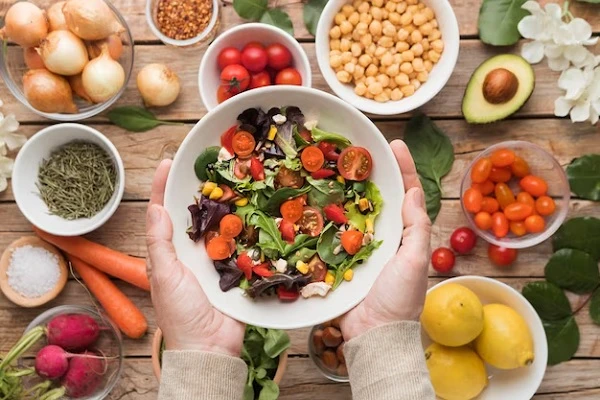
Superfoods
In addition to the classics, incorporating nutrient-dense “superfoods” into your diet can provide an extra boost for your hair. Foods like avocados, walnuts, spinach, and wild-caught salmon are rich in omega-3 fatty acids, vitamins, and antioxidants that nourish the scalp and support healthy hair growth from the inside out.
- Omega-3 Fatty Acids: These healthy fats keep the scalp hydrated and prevent dry hair. Include foods like salmon, walnuts, chia seeds, and flaxseeds.
- Vitamins A and C: Both aid in the production of sebum, which moisturizes the scalp. Incorporate foods like spinach, carrots, oranges, and strawberries.
- Antioxidants: Incorporating antioxidant-rich foods into your diet helps nourish hair and protect it from oxidative stress. Add some blueberries, strawberries, blackberries, oranges, lemons, grapefruits, almonds, sunflower seeds, and walnuts to your diet. You can also try eating spinach, kale, carrots, sweet potatoes, and Green Tea (Polyphenols).
Nutrients
One of the key players in hair health is nutrients like biotin for hair, also known as vitamin B7. Biotin is responsible for converting the food we eat into the building blocks needed for strong, lustrous hair. Biotin deficiencies have been linked to hair thinning and brittleness. Other vital nutrients include iron, which supports healthy blood flow to the scalp, and zinc, which aids in cell division and protein synthesis – both crucial for robust hair development.
- Biotin: This B vitamin aids in strengthening hair and nails. Good sources are eggs, nuts, seeds, and sweet potatoes.
- Iron and Zinc: Iron carries oxygen to hair follicles, while zinc supports hair repair and growth. Find these nutrients in leafy greens, beans, and pumpkin seeds.
Proteins
Protein intake is also paramount, as hair is primarily composed of a protein called keratin. Ensuring adequate dietary protein provides the necessary amino acids to regenerate hair strands continuously. Without sufficient protein, hair can become weak, prone to breakage, and may even start to shed excessively.
- Protein: Include protein-rich foods like lean meats, fish, eggs, beans, and nuts to help support growth.
How can you achieve healthy hair from within?
We have already mentioned how you can get healthy hair from within, thanks to foods that contain different vitamins, proteins, and antioxidants; these foods not only help you to have a balanced diet that keeps your hair healthy, but they also help your general health by providing a healthy diet (which should be combined with physical exercise). In fact, there is a type of ‘exercise’ that will also help keep your hair healthy in the first place. Let’s look at some other ways to keep your healthy hair from within.
Nourish from Within
- Drink plenty of water throughout the day to nourish hair follicles and prevent dryness.
- Consider supplementing with hair-specific vitamins or collagen if dietary intake is insufficient.
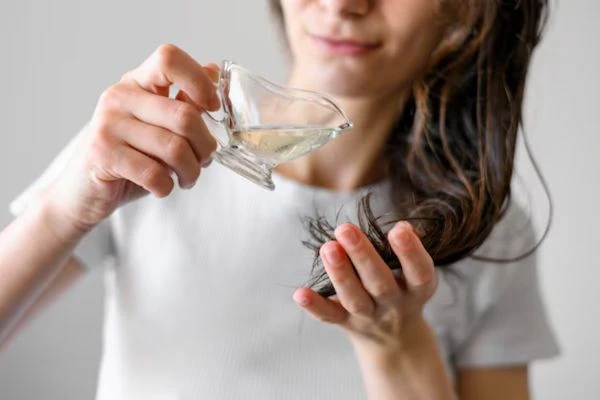
Oiling
- Oil provides the hair with nutrients like minerals, vitamins, and essential fatty acids.
- Coconut and argan oil are the products that dermatologists and other hair professionals recommend the most.
Gentle hair care routines
- Use sulfate-free, moisturizing shampoos and conditioners to cleanse and hydrate the hair without stripping its natural oils.
- Limit the use of hot styling tools such as blow dryers, curling irons, and straighteners to prevent breakage and repair damaged hair.
- Opt for soft, microfiber towels or air-drying to minimize friction and tangling.
- Incorporate gentle, wide-tooth combs or brushes to detangle hair without excessive pulling.
Scalp health maintenance

- As mentioned at the beginning, one of the exercises you can do to have healthy hair from within is to massage the scalp regularly. This way, you will help to stimulate blood flow and nutrient delivery to the hair follicles.
- Use a gentle, clarifying shampoo once a week to remove product buildup and prevent clogged hair follicles.
- Consider using hair serums or oils that contain nourishing ingredients like argan, coconut, or rosemary.
Stress Management
- Engage in stress-reducing activities like meditation, yoga, or deep breathing exercises, as chronic stress can contribute to hair loss or thinning.
- Prioritize self-care and ensure adequate sleep; rest is crucial for hair growth and overall well-being.
Protect from environmental factors
- Use sun protection, such as hats or UV-blocking hair products, to shield your hair from sun damage.
- Avoid excessive exposure to harsh chemicals, chlorine, or saltwater, which can dry out and weaken the hair.
Will my hair be healthier if I wash it frequently?
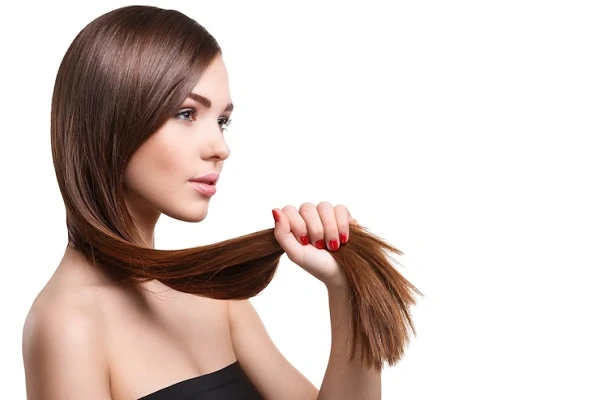
When it comes to hair care, the natural oil production of your scalp should be the primary factor in determining how frequently you wash your hair. If you have an oily scalp, you might find yourself needing to wash your hair weekly or even more often. On the other hand, if your hair tends to be drier, perhaps due to chemical treatments, it could be beneficial to wash it less frequently.
As you age, your scalp tends to produce less oil, which may mean you don’t need to shampoo as often. However, skipping regular washes can lead to an accumulation of flakes and other potential issues like dandruff or scalp conditions. When you do wash your hair, it’s best to focus on the scalp rather than the ends. This approach helps prevent frizz and coarseness caused by excessive scrubbing.
Remember to always follow up your shampoo with a conditioning treatment unless you’re using a 2-in-1 product. Conditioning your hair can greatly enhance its look by boosting shine, cutting down on static, increasing strength, and offering some protection against harmful UV rays, especially for those with damaged hair.
DIY tips for a healthy hair and scalp
A few DIY tips harness the power of nutrient-rich ingredients to revitalize your hair. From deeply conditioning coconut oil masks to stimulating rosemary-infused oils, among others, these natural solutions can help address various hair concerns.
Coconut oil hair mask
Coconut oil is a versatile, nourishing ingredient that can deeply condition and strengthen hair. To create this luxurious DIY treatment, simply warm up a few tablespoons of high-quality, virgin coconut oil. Gently massage the warm oil into your scalp and work it through the length of your hair, ensuring even coverage from roots to ends.
Once your hair is fully coated, cover it with a shower cap or warm towel to help the oil penetrate more deeply. Allow the coconut oil mask to sit for 30 minutes to an hour, then rinse it out thoroughly. The fatty acids found in coconut oil can help improve the overall elasticity and strength of your hair, reducing the risk of breakage and damage. Your strands will be left feeling soft, silky, and deeply nourished.
Avocado hair mask
Avocados are rich in vitamins, minerals, and healthy fats that can work wonders for your tresses. To create this deep conditioning treatment, simply mash up a ripe avocado and mix it with a tablespoon of honey and a few drops of olive oil. The honey provides additional moisture and softening properties, while the olive oil helps to seal in hydration.
Once you’ve blended the ingredients into a creamy consistency, apply the mask to your hair, focusing on the ends where dryness and damage are most prominent. Allow the mask to sit for 20-30 minutes, then rinse it out thoroughly. The avocado’s rich, creamy texture can help smooth and soften dry, brittle hair, leaving it feeling nourished, supple, and revitalized.
Apple cider vinegar rinse

One key benefit of using an Apple Cider Vinegar (ACV) rinse is its ability to help balance the pH of your scalp. Maintaining the proper pH level is essential for creating an optimal environment for healthy hair growth. The acidic properties of ACV can also help remove product buildup and gently clarify the scalp, leaving your hair feeling refreshed and revitalized.
To create this simple yet effective DIY treatment, simply mix 1-2 tablespoons of high-quality apple cider vinegar with a cup of water. After shampooing your hair, use this ACV rinse as a final step before conditioning. The mixture can help seal the cuticles and lock in moisturewhile also imparting a healthy shine to your locks.
Rosemary hair oil
Rosemary is a powerful herb that can stimulate blood circulation and promote healthy hair growth. To create this nourishing DIY treatment, start by infusing a carrier oil, such as jojoba or almond oil, with fresh rosemary sprigs. Allow the mixture to steep for 2-3 weeks, giving the rosemary ample time to impart its beneficial properties into the oil. Once the infusion is complete, you’ll have a potent, fragrant hair oil that you can incorporate into your regular hair care routine.
When applying the rosemary-infused oil, focus on massaging it into your scalp and working it through the length of your hair, particularly in areas where you may be experiencing thinning or slow growth. The antioxidants and anti-inflammatory compounds found in rosemary can help nourish the hair follicles and create an optimal environment for healthy hair development.
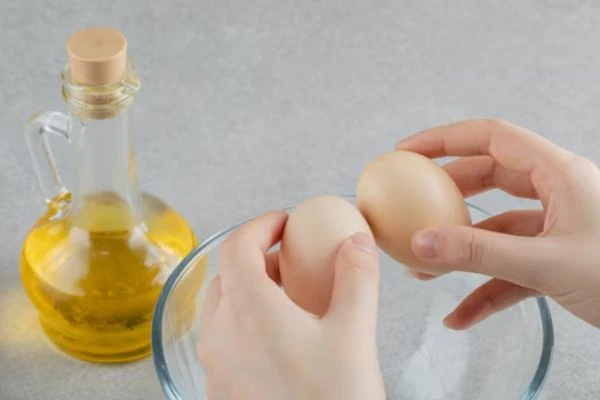
Egg yolk hair mask
Faq’s
How can I stimulate healthy hair growth?
To encourage healthy hair growth, ensure adequate intake of growth-promoting nutrients like biotin, protein, and iron. You must also massage your scalp regularly to increase blood flow and nutrient delivery to the follicles. Remember to avoid excessive stress, get enough sleep, and consider using hair growth serums or supplements.
How can I prevent hair breakage?
To prevent hair breakage, maintain a balanced diet, stay hydrated, and avoid over-styling. Regularly trim your hair, use a gentle shampoo, and condition your hair to keep it hydrated. Protect your hair from heat styling and harsh chemical treatments.
How often should I wash my hair for optimal health?
Washing frequency depends on your hair type and lifestyle. For most people, washing 2-3 times a week is ideal to maintain a healthy scalp and prevent dryness. However, people with oily hair may need to wash more frequently.
Conclusion
Achieving healthy hair is a multifaceted process that goes beyond just using the right products. It requires a balanced, nutrient-rich diet, proper hydration, and a commitment to overall well-being. By incorporating essential vitamins, minerals, proteins, and healthy fats into your meals, you nourish your hair from within. Additionally, practising good hair care routines, managing stress, and protecting your hair from environmental factors can enhance its health and appearance. With consistent effort and the right approach, you can enjoy strong, radiant hair that reflects your commitment to self-care and nourishment.