



Your chosen hairstyle significantly impacts your appearance when you want to look stylish and polished. While some trendy hairstyles might seem appealing, they could detract from your look. This guide highlights hairstyles you should avoid and shares expert tips for selecting the most flattering options for your hair and face.
Identifying which hairstyles you should avoid ensures you always appear confident and put-together. Certain styles, whether outdated or unsuitable for your face shape, should be avoided. By understanding these pitfalls and steering clear of them, you empower yourself to make better choices that enhance your look and boost your confidence.
Why are there hairstyles you should avoid?
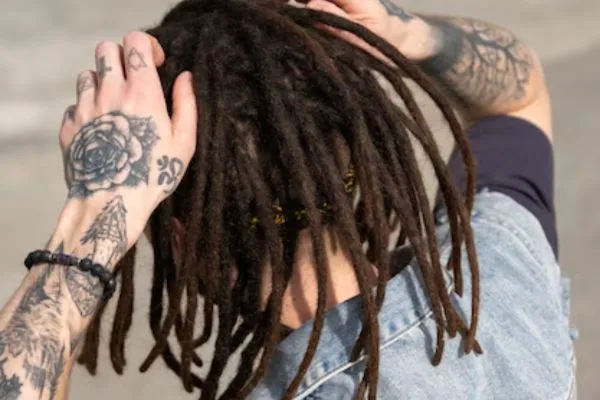
There are some hairstyles you should avoid for various reasons. Some may not suit a person’s face shape or hair texture, while others may require high maintenance or damage hair. It’s essential to choose a hairstyle that complements your features and fits your lifestyle.
Your strands could experience more damage than is strictly required if the pattern is too restrictive or requires excessive heat. If you’re having a poor hair day, you might assume that a sloppy top ponytail is a simple solution. But in reality, it might be making the situation even more severe. Knowing the hairstyles you should avoid will help protect your hair.
It is only sometimes simple to identify hairstyles that are good for your hair. You probably aren’t even aware that you’re putting additional stress on your strands the vast majority of the time. These hairstyles may appear innocuous or handy at the time, but they are detrimental to healthy hair. This will ultimately result in premature loss. That is why it is vital to know the hairstyles you should avoid.
Hairstyles you should avoid
Many potentially damaging factors may not show their effects immediately. However, frequently using the same hairstyle can harm your hair’s health over time. Simple adjustments can make a significant difference. For example, you can loosen your grip or lower the heat on hot tools while styling. These small changes help maintain your hair’s health and well-being. Staying aware of elements that can negatively affect your strands is crucial. Below is a list of hairstyles you should avoid:
Ponytails
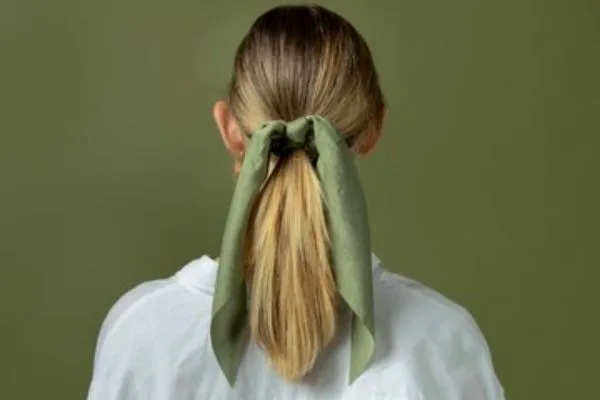
Although ponytails are a simple and fast haircut, they can be detrimental to your strands if you do them too often. According to experts, using elastic hair ties that are too tight can damage the hair shaft, leading to fraying. If you cannot bear to part with the beloved ponytail, you might want to consider using fabric hair bands instead.
They are kinder to your hair and won’t leave marks on your scalp. Instead, wear your hair in a short ponytail. This is an obvious choice for those who want to keep their hair in good condition. Even though a low ponytail might not be the most flattering hairstyle for everyone, you can spice up this appearance in various ways.
Experts suggest adding curls or waves to your hair to give it more texture and volume. The low ponytail also relies heavily on placement. Raise the ponytail so that it does not lie flush against the base of your neck but is lifted slightly higher. This lifts the facial features rather than pulling them downward.
Long extensions
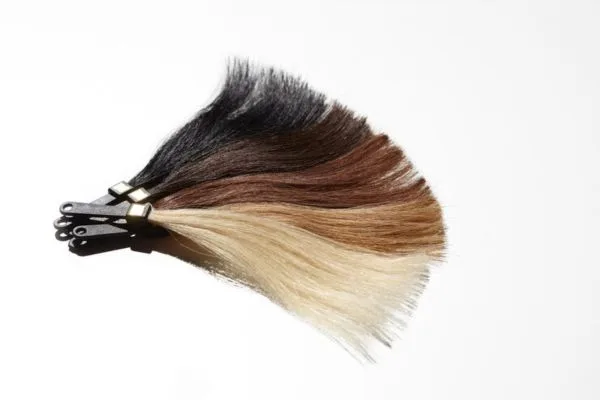
Long, flowing hair often evokes a sense of allure and sophistication. However, the quest for length and volume through hair extensions can harm your natural locks. Experts caution that clip-in extensions, while convenient, can place undue stress on the hair roots, potentially leading to hair loss or damage.
To maintain the health and integrity of your hair, consider repositioning the clips each day to minimize strain and permanently remove them before bedtime. This practice helps preserve your hair’s natural texture and bounce and allows it to breathe, promoting healthier hair growth and reducing the risk of damage.
Teased poofs
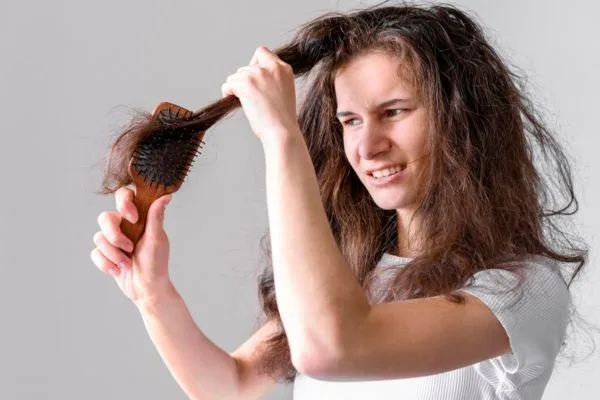
While teasing your hair can create stunning height and fullness, this styling technique can also damage your tresses. Backcombing, or teasing, involves combing through the hair in reverse, resulting in knots and tangles that can compromise the hair’s overall health. Over time, this can lead to significant damage, including breakage and split ends, making it crucial to consider healthier alternatives.
Aggressively pushing strands backwards can lead to numerous issues, including frizziness and breakage. Instead of reaching for your comb, experiment with volumizing products that provide lift and body without the damaging effects of backcombing.
Stick straight strands
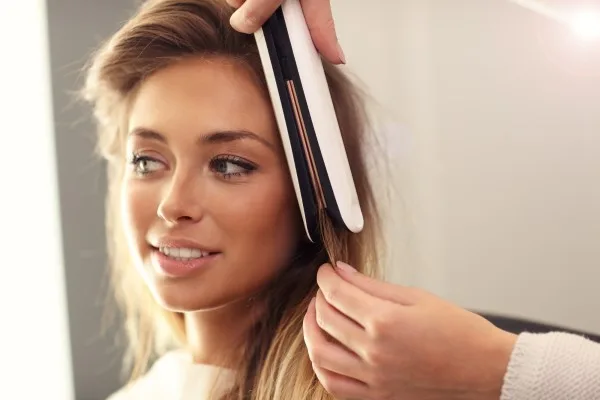
Straightened hair may appear polished and elegant, but the heat from styling tools necessary to achieve this style poses a risk to your strands. Applying high temperatures causes the hair to become malleable, but repeated exposure can lead to dryness and brittleness. This can result in long-term damage, including loss of natural shine and texture, making it essential to protect your hair when using heated styling tools.
If you must use heated styling tools, it’s essential to protect your hair by applying a heat protectant spray beforehand. This precaution can significantly reduce the thermal damage your hair endures, allowing you to enjoy a straightened look while keeping it healthy.
Tight braids
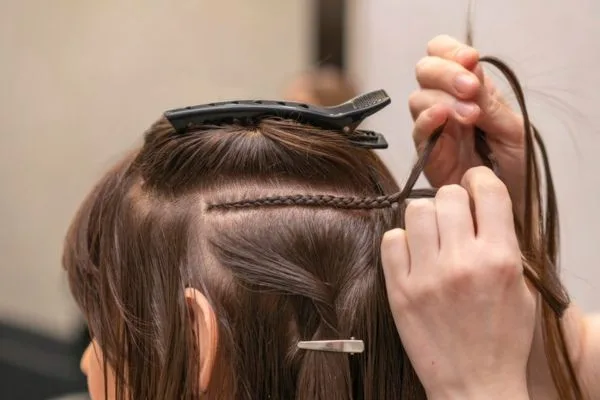
Braids are a trendy and stylish choice for individuals with various hair textures. They showcase remarkable versatility and allow for creative expression. However, it’s essential to be mindful that donning braids too tightly or too frequently can significantly damage delicate hair strands.
When braids are pulled excessively, the strain on the hair follicles can become immense. That leads to detrimental consequences such as breakage and weakened strands. To maintain optimal hair health and resilience, it is highly recommended that you allow your hair to rest and rejuvenate between tightly styled braid sessions, giving it the care it deserves.
Wet hairstyles
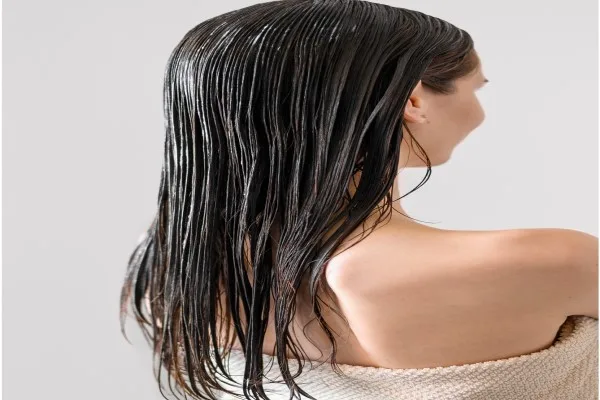
After a refreshing shower, the urge to swiftly gather your damp hair into a bun may be strong, but this seemingly harmless habit can lead to unintended consequences for your locks. When your hair is still wet, it is particularly delicate; securing it tightly with an elastic band can create pressure that leads to breakage and split ends.
The strands, already weakened by moisture, are more susceptible to damage during this time. To preserve the health of your hair, it’s wise to allow it to air dry partially or even fully before styling. By taking this extra step, you can significantly reduce the risk of harm and keep your tresses looking vibrant and strong.
Braids close to the hairline

Face-framing braids add a playful touch and make hairstyles look trendy. They can also make hairstyles appear more adorable. However, the hair along the hairline is thinner and weaker than other parts. That makes this delicate area more susceptible to damage. Tight braiding in this region can cause snapping and breakage. It also stresses the hair follicles by subjecting strands to higher tension, which can result in significant hair loss, known as traction alopecia.
To help safeguard this fragile area, consider braiding farther back on the crown of your head. This technique minimizes stress on your hairline and allows it to maintain its strength and integrity. Additionally, you could incorporate looser braids or styles that distribute tension more evenly across the scalp.
Tight top-knots
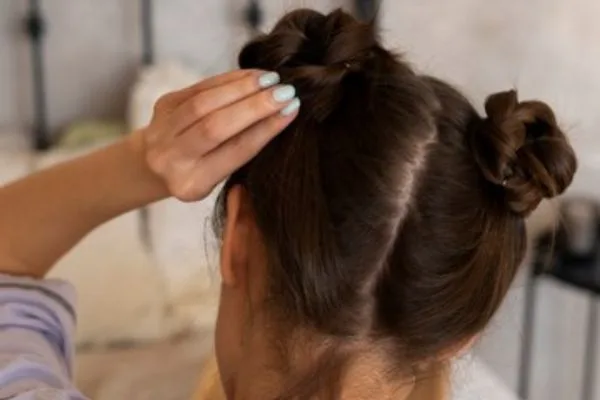
On days when styling feels impossible, many individuals resort to the simplicity and convenience of a tight top knot. While effective in taming unruly or unmanageable hair, this classic hairstyle has notable drawbacks. Pulling the hair back tightly can create unnecessary traction at the roots, which may lead to discomfort and, over time, contribute to hair thinning or loss due to the constant stress on the hair follicles.
Despite its polished and put-together appearance, limiting the frequency of wearing a tight top knot is vital to maintaining hair’s health. Instead, consider opting for a loose, casual bun. This alternative provides a laid-back aesthetic, ensures greater comfort, and significantly reduces stress ur hair follicles. By embracing this more relaxed hairstyle, you promote healthier hair growth. Also, you contribute to scalp vitality, minimizing the risk of damage associated with tight hairstyles.
Faq’s
What are the most flattering hairstyles for my face shape?
The most flattering hairstyles often depend on your face shape. For example, those with round faces may benefit from styles that create length, such as a lob or side-part style. On the other hand, those with square faces may look best with soft, layered styles that balance out the angular features. Avoiding unflattering hairstyles ensures you enhance your natural features effectively.
How to determine my hair type to know the hairstyles you should avoid?
Determining your hair type involves considering thickness, texture, and curl pattern. Knowing your hair type can help you select the most flattering hairstyles. You can also avoid those that do not suit your unique needs.
How often should I get a haircut to maintain a flattering style?
The frequency of haircuts can vary depending on your hair type and the style you’re aiming for. Generally, getting a trim every 6-8 weeks is recommended to keep your hair healthy, maintain a flattering style, and avoid unflattering hairstyles.
Conclusion
Knowing which hairstyles you should avoid allows you to maintain healthy and beautiful hair. Certain styles, like tight ponytails, heavy extensions, or excessive heat styling, can cause significant damage. Avoiding these unflattering options protects your hair’s health and improves your overall appearance. You can enhance your hair’s condition by loosening hairstyles, using protective products, or giving your hair time to rest. These small changes make a big difference in preserving its vitality. Prioritizing hair-friendly choices helps you achieve a polished and confident look with ease.
At Capilclinic, we’re trusted by thousands of patients in the UK and Europe as a leading Hair Transplant Clinic in Turkey and Spain, known for our expert doctors, advanced facilities, natural hairline results, and affordable all-inclusive packages. Reach out to our team today to start your transformation.