



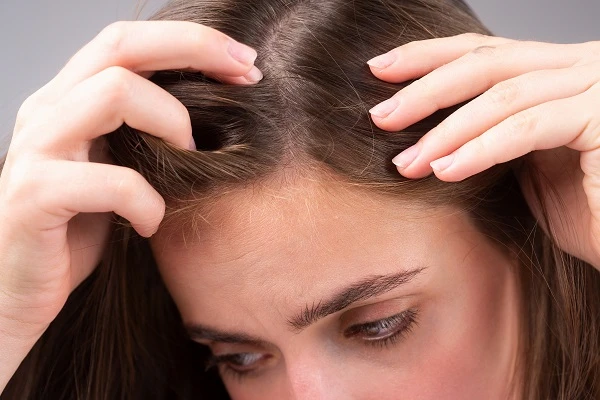
Frontal alopecia is one of the various hair loss types that affect women. Post-menopausal women are most likely to be affected. It’s common for this ailment to cause a symmetrical ring of hair loss that extends down to the eyebrows, leaving only a few hairs remaining in the bald area. When the hair follicles are exposed, the remaining skin can be pale, glossy, or damaged, with redness around them.
Due to the fact that the visible signs of frontal fibrosing alopecia (FFA) are more noticeable than FPA’s widespread thinning, many people avoid discussing hair loss. For one thing, there is no effective treatment. Even the treatment outcome varies widely, which is why many people are now considering adopting wigs and various hairstyles to disguise the signs of this hair. Top-fitting styles can be used for frontal fibrosing alopecia since they conceal the frontal scalp without exacerbating the problem. Here are a few hairstyles that should perfectly suit your facial shape and hair texture.
Bob with an asymmetrical parting for frontal alopecia
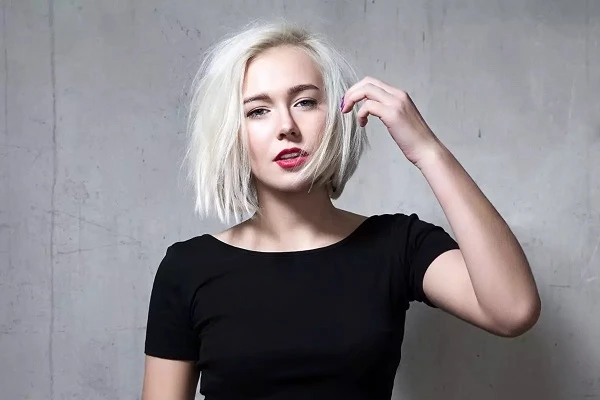
Do you think the standard bob is a little too familiar? Then an asymmetrical bob with a deep side parting may be a good option for you to try out. Asymmetrical hairstyles are both a fashion statement and good concealment for those who are experiencing receding hairlines. The side half of the design further enhances the elegance of the style. You should go for this look if your hair is straight and long. You can, however, experiment with any type of hair you choose.
Line bob
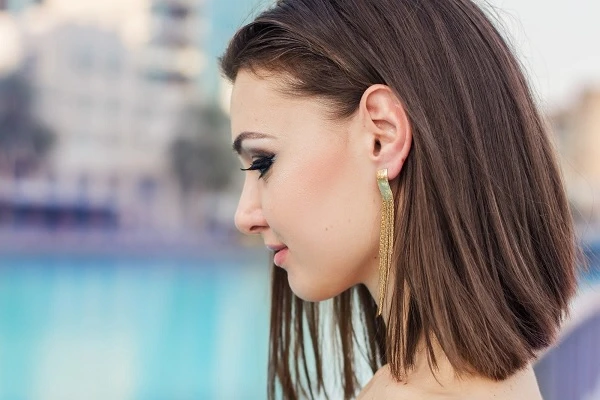
This style is ideal for everyday work because it does not require any straightening or fixing; the cut falls naturally across your forehead to conceal a receding hairline. The cut is flattering on practically every face shape, but it is particularly striking on the round face. Play around with your bangs; they will undoubtedly give a quirky element to your overall appearance.
The thick, long bangs
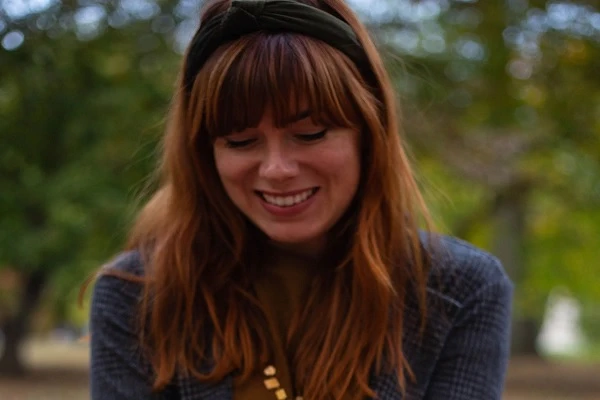
Is your hairline starting to look a little sparse? On the other hand, the long blunt bangs are the only hairstyle that may totally cover your forehead and receding hairline. This haircut allows you to style the rest of your hair in any way you like while keeping your bangs in place.
Short Bob with Bangs
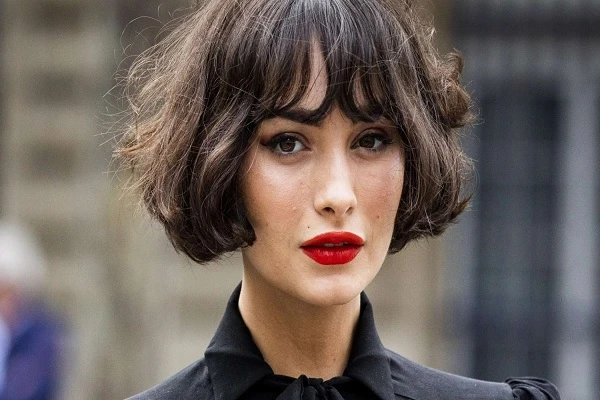
Short hair is the best option when it comes to a low-maintenance hairstyle. The above-the-brow short bob bang hairstyles are also excellent choices if you currently have short hair. Frontal fibrosing alopecia can be disguised with a bob with bangs that fall just below your eyebrows. Women who are always on the go and don’t have a lot of time to spend on their hair will love this hairstyle because of its short length. On the other hand, Bangs make you look younger and more appealing.
A Messy Ponytail
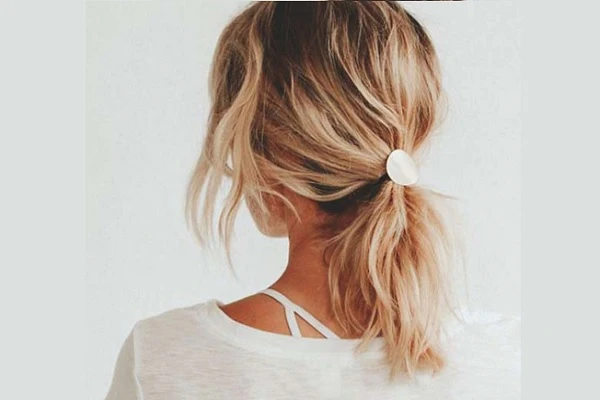
The ponytail is a popular modern hairstyle for both men and women. You don’t need any special equipment or processes to get the look, and it can be dressed up or down with ease. Try to keep your ponytail messy and if possible. If you mess it up a little, the hair will come out in different places; this will help cover the hairline and give the head more volume.
The Jagged part
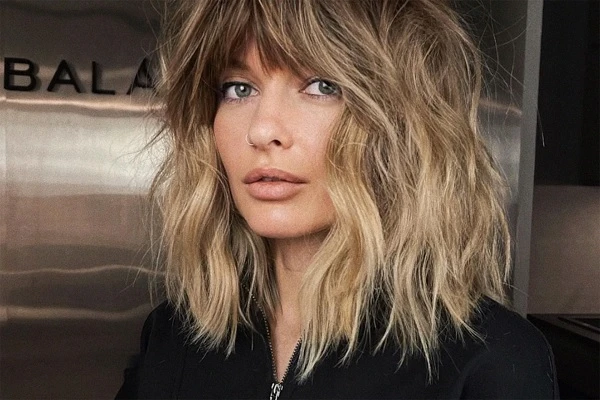
This style is ideal for women who are just beginning to see a receding hairline. When it comes to hairstyles for teens, this one is a no-brainer. For a strikingly jagged effect, each layer is jagged. As a result, you may now have a fashionable haircut without worrying about your hairline.
Layers around the face
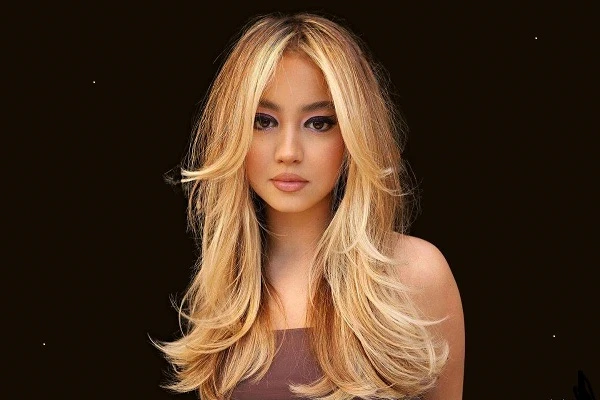
If you’re suffering from a receding hairline caused by Frontal fibrosing alopecia, then layers around the face are another excellent option for you. In addition to boosting volume, layers will completely cover the hairline. It doesn’t matter if you part your hair in the middle or to the side when you have front layers! The layers in your hair will make your hair appear thicker. If you have thin or fine hair and want to give the illusion that it is fuller, try this hairstyle.
The shortened ‘Hun’
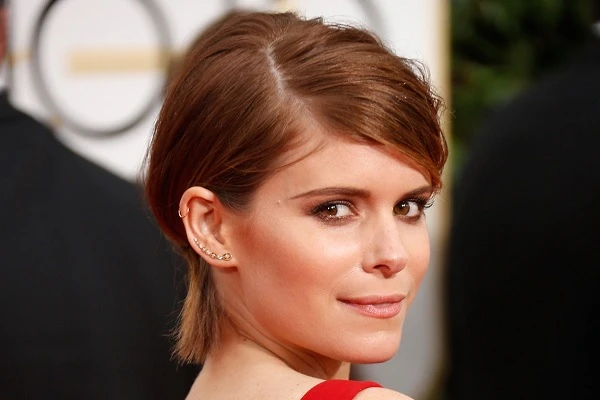
The half-bun hairstyle is a hot new trend in the fashion industry. Thanks to its magical effect, our hairline is no longer the center of attention. With a bit of help from your loose locks, you’ll be able to hide a portion of your receding hairline. The rest of your hair is trimmed to shoulder length and styled with beachy waves.
Wispy front layers
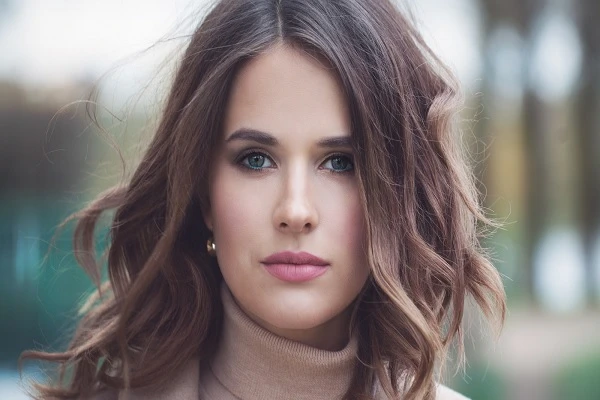
These light and wispy front layers can also be used to hide a receding hairline in women. A center part allows them to cover both sides of the face and draw attention to the hair strands rather than their hairline. Your face will be well framed by the layers, which will also thicken your hair. Make people stare at your good looks wherever you go when you wear this to work or any other occasion!
Deep side part
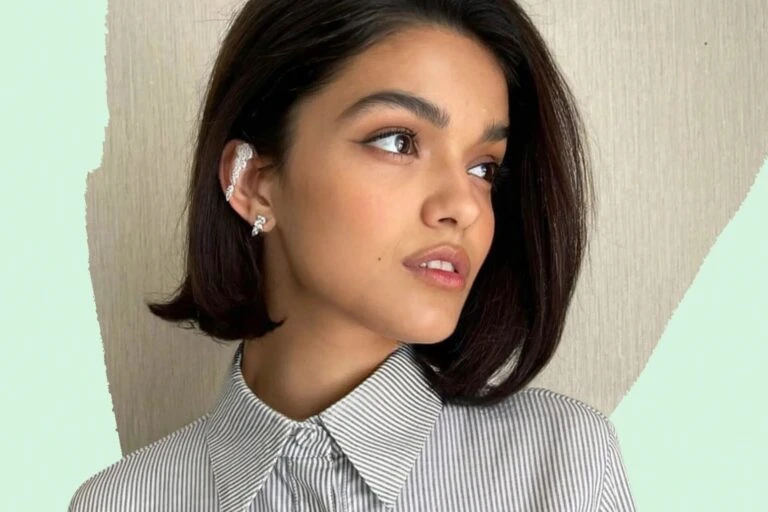
This side portion is distinct from others since it begins from the rear of the head, moves forward, and then turns to the side. You can curl your hair using a curling iron to give waves and texture to achieve a more natural look. It’s an excellent choice for women with a receding hairline who want to dress up for special occasions as well as wear it every day.
Ponytail with a twist
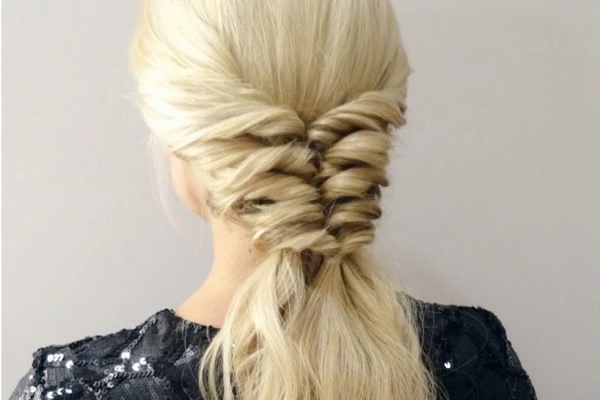
This hairstyle for ladies with a receding hairline is fashionable. If you want to accentuate your hairline but don’t want to pull your hair back, you can go for a more voluminous and textured ponytail. Teasing your hair in the front layer creates a puffy, voluminous look. Pulling your hair back into a loose, high ponytail is also an option at this point Puffing out the top of your hair is a terrific way to draw attention away from your hairline and may be worn on any occasion.
The choppy bob
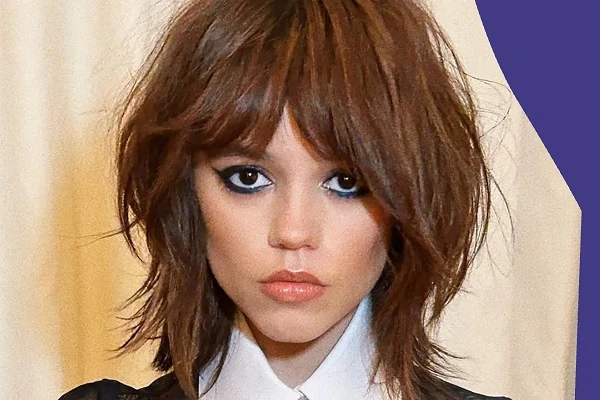
For women with receding hairlines, this is an excellent haircut choice. Adding volume to your head, especially at the forehead, is a huge benefit of the choppy haircut style. Angled to one side, it provides even more protection. For ladies, the edgy fringe and sloppy style are ideal for covering up a poor hairline. It also doesn’t require a lot of time and effort to put together and is a simple “style as you go” type of thing.
Hair Accessories

Creative use of hair accessories like headbands, scarves, or decorative hair pins can be a stylish way to mask the affected area. These accessories not only conceal but also introduce a fashionable element to the overall appearance.
Hair Color

Experimenting with hair color can be a strategic move to reduce the contrast between the affected hairline and the forehead. Lightening or darkening the hair can minimize the visibility of FFA and draw less attention to it.
Why Have a Hairstyles That Conceals Frontal Fibrosing Alopecia
Frontal Fibrosing Alopecia (FFA) is a type of hair loss that predominantly affects the frontal hairline and eyebrows. It can be distressing for those who experience it, as it can lead to noticeable changes in one’s appearance. Hairstyles can play a crucial role in helping individuals with FFA conceal the effects of this condition and boost their confidence. Here’s why having a suitable hairstyle is important for those with Frontal Fibrosing Alopecia:
Camouflage the Hairline Recession
FFA often causes a receding frontal hairline. A well-chosen hairstyle can help to mask this recession by strategically styling the remaining hair to cover the affected area. This can create a more balanced and natural look.
Boost Self-Esteem
Dealing with changes in one’s appearance due to FFA can be emotionally challenging. A hairstyle that conceals the condition can help individuals feel better about themselves and boost their self-esteem.
Create a Sense of Normalcy
Maintaining a hairstyle that hides the effects of FFA can contribute to a sense of normalcy. It allows individuals to continue their daily routines without feeling self-conscious about their appearance.
Minimize Unwanted Attention
People with FFA may experience unwanted attention or questions about their condition. A suitable hairstyle can deflect such attention, allowing individuals to maintain their privacy.
Adapt to Changing Hair Texture
FFA can alter the texture and density of the remaining hair. A well-thought-out hairstyle can adapt to these changes, making it easier to manage and style the affected hair.
Variety of Options
There is a range of hairstyles that can be tailored to conceal FFA, such as layered cuts, bangs, or longer hair that can be strategically arranged to cover the affected areas. This diversity of options allows individuals to choose a style that best suits their preferences and comfort.
Professional Guidance
Consulting with a hairstylist experienced in working with individuals with FFA can provide valuable insights and recommendations on suitable hairstyles. They can offer advice on cuts, colors, and styling techniques that can help conceal the condition effectively. In summary, having a hairstyle that conceals Frontal Fibrosing Alopecia is important for the emotional well-being and confidence of individuals dealing with this condition. It allows them to regain a sense of normalcy and privacy, adapt to changing hair texture, and feel better about their appearance. Consulting with a professional hairstylist can further enhance the effectiveness of concealing FFA through hairstyle choices.