




The damage to your hair may be caused by how you style it, especially if it feels fragile or thinning. Several other hairstyles could be beneficial to the general health of the hair. Your strands could experience more damage than is strictly required if the pattern is too restrictive or requires excessive heat. If you’re having a poor hair day, you might assume that a sloppy top ponytail is a simple solution to the problem. However, it might make the problem even more severe. Knowing the hairstyles to avoid will help protect your hair.
It is only sometimes simple to identify hairstyles to avoid and the ones that are good for your hair. You probably aren’t even aware that you’re putting additional stress on your strands the vast majority of the time. These hairstyles may appear innocuous or handy at the time, yet, in reality, they are detrimental to the health of your hair. That is why it is important to know the hairstyles you should avoid.
Why are there hairstyles to avoid?
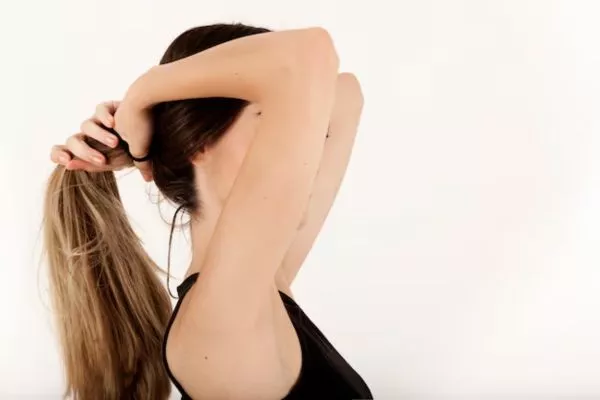
You should consider various essential factors when evaluating certain hairstyles, particularly those related to hair’s long-term health. Choosing the wrong style can lead to damaging effects, such as breakage, excessive tension on the roots, and compromised scalp health. It’s vital to understand how various techniques and maintenance practices can impact the integrity of your hair strands over time, ensuring you make informed decisions that prioritize aesthetics and your hair’s well-being.
Hair damage and breakage
One of the most significant issues associated with certain hairstyles is the potential for hair damage and breakage. Styles that employ excessive tension, such as tight ponytails, braids, or buns, can place undue stress on the hair strands, leading to structural weakness.
Additionally, frequent use of heat-styling tools—like straighteners, curling irons, and blow dryers—can strip moisture from the hair, resulting in brittleness and breakage. Furthermore, applying harsh chemicals found in hair dyes and treatments can weaken the hair cuticle, causing it to become limp and lifeless over time.
Hairstyles to avoid Traction Alopecia
A serious concern for those who frequently wear tight hairstyles is traction alopecia. This condition is characterized by gradual hair loss that occurs when hair is constantly pulled tight. Styles such as very tight braids, cornrows, and man buns can create excessive tension on the scalp, damaging hair follicles and leading to permanent hair loss if maintained over long periods. Understanding the importance of allowing the scalp to breathe and the hair to rest can significantly reduce the risk of this condition.
Uneven growth patterns
Certain hairstyles can disrupt the natural cycle of hair growth. For instance, styles that dramatically shorten or shave sections of hair, such as mullets or undercuts, can create imbalances in growth patterns. This may result in uneven lengths and even bald spots, as the hair may take longer to regain its length in certain areas. Awareness of how different styles affect growth can be beneficial in maintaining a more harmonious appearance.
Premature ageing of the hair
Excessive heat and chemical treatments not only cause immediate damage but can also accelerate hair ageing. Over time, this can manifest as premature greying, increased dryness, and a loss of vibrancy and shine. Environmental exposure and aggressive styling and treatments can further exacerbate these issues, making preventive measures imperative.
Overall hair health
Ultimately, the overarching principle is that any hairstyle you should avoid and compromise your hair’s health and integrity should be reconsidered. Healthy, resilient hair serves as the foundation for any striking hairstyle. It’s vital to prioritise hair care by using nourishing products and techniques. that enhance strength and vitality while allowing for exploring current trends.
What are the hairstyles to avoid?
Even though many of these potentially damaging variables don’t have an immediate effect, it’s important to remember that you have the power to maintain the health of your hair. Simple changes like easing your grip on the style or turning the heat down on the hot tools can make a big difference. Therefore, it’s up to you to know the factors that can adversely affect your hair. Here’s a list of hairstyles you should avoid:
Ponytails: The first of many hairstyles to avoid
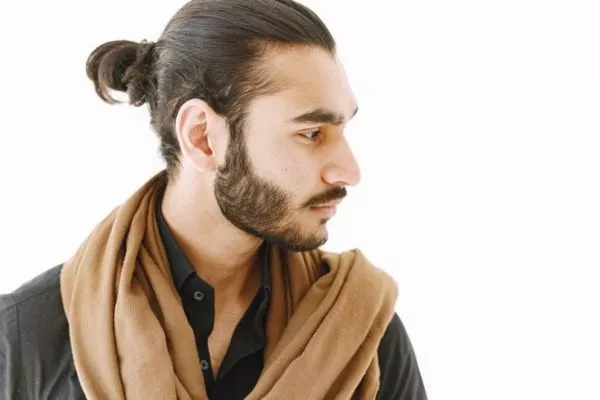
Wearing a ponytail is quick and easy, but frequent use can harm your hair. Tight elastic hair ties may damage the hair shaft and create frayed ends. To protect your hair, switch to fabric hair bands, which are gentler and won’t leave marks. Consider a shorter ponytail to keep your hair healthy.
You can enhance the look by adding curls or waves for more texture and volume if you choose a low ponytail. Position the ponytail slightly higher on your head to lift your facial features rather than pulling them down.
Long extensions
Long, luxurious hair may indeed be very seductive. However, using extensions to achieve length and volume can be extremely harmful to your natural hair. Experts warn that clip-in extensions can damage your hair by straining at the roots and even tearing them off. Try inserting the clips in a new spot each day and taking them out at night to maintain the hair’s natural texture and bounce.
Tight Top-Knots
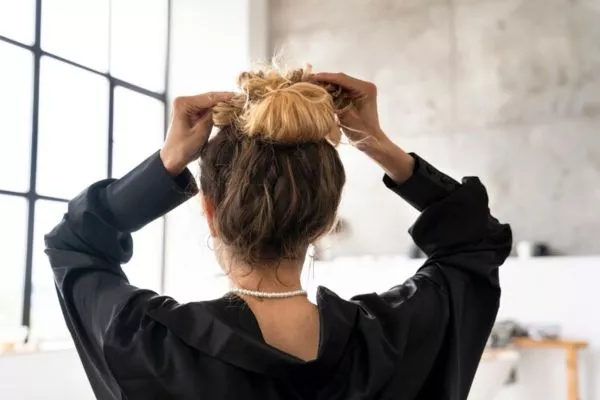
When we have a bad hair day, many find that wearing our hair in a tight top knot is the most effective method to cope with it. This results in traction at the hair roots, which can be uncomfortable and pulls the hair back tightly. This might cause damage to the hair follicles over time, which will result in thinning hair. Even though there are a lot of people who like this sleek hairdo, you should only wear it occasionally. Choose to create a loose, untidy bun instead because it is much easier.
Altering your hairstyle can help maintain its vitality and resilience. It benefits the strands and helps your style appear in its current state. Even if you don’t have to give up entirely on these hairstyles, it is helpful to be aware of how detrimental recurring hairstyles may be.
Teased hair
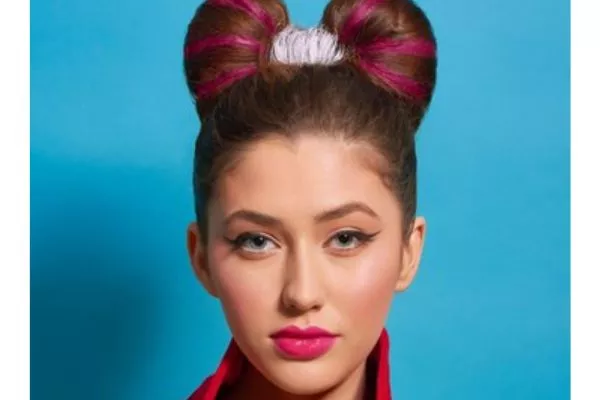
Even while it may increase fluff and volume, the strands of your hair may suffer from using it. Backcombing, also known as teasing, is a technique used to add volume to the hair by combing the strands in the other direction. You effectively go backwards through your hair with the comb, resulting in knots and tangles. It is the absolute worst. Try utilizing style products that add volume to your hair instead of going for a comb to create volume in your hair.
Stick straight strands
Although flat hair does not cause damage, the heated styling equipment required to achieve this look does. By heating the hair extremely high, you force it into submission.
According to the opinions of various specialists, doing so is not the best thing for the strands. If you have no choice but to work with hot instruments, you should use a heat protective agent spray first to reduce the burns you sustain.
Wet hairstyles to avoid
Putting your hair up in a bun just after you get out of the shower is tempting, but you shouldn’t. It’s not good for your strands to put damp hair in a ponytail or bun because it can cause breakage. The elastic can force the strands to break, which is exacerbated by the fact that wet hair is naturally weaker hair.
Tight Braids
Braids are a chic style option for women with all hair textures. However, they can damage hair if worn too often. Pulling the hair excessively tightly puts stress on the follicles, which can cause the hair to break, split, or weaken.
Braids close to the hairline
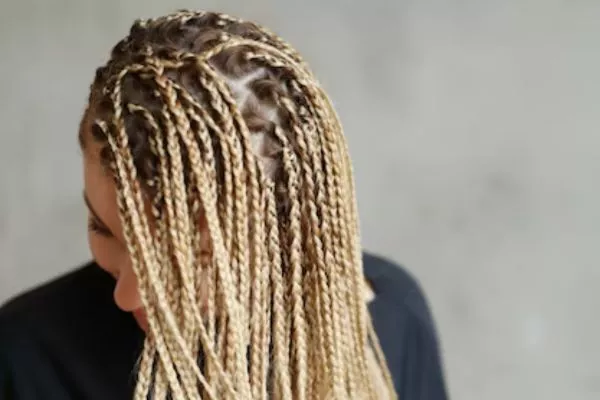
It’s impossible to overstate how adorable face-framing braids are, but you should be aware that they might damage your strands. According to experts, the area surrounding your hairline is where your hair is at its weakest and is, therefore, most prone to breakage. As a result, the thin hair is more likely to break or snap when braided tightly. By moving the braids farther back on the crown, you can help maintain the health of your hair.
Faq’s
Are all tight hairstyles on the “hairstyles to avoid” list?
Not necessarily. A sleek bun or ponytail can look chic, but the key is to avoid taking it to the extreme when it comes to hairstyles to avoid. Styles that pull too tightly on the scalp, like very tight braids, cornrows, or man buns, can lead to a condition called traction alopecia and gradual hair loss. The best approach is to keep any pulled-back styles loose and comfortable.
Does that mean I have to ditch my heated styling tools?
Not at all! Hot tools like blow dryers, curling irons, and straighteners can absolutely be part of your styling routine. The key is to use them in moderation and with proper precautions. Always use a heat protectant product, keep the temperature on the lower side, and give your hair breaks in between uses to avoid excessive damage.
Is long hair considered one of the hairstyles to avoid?
No. When cared for properly, long, flowing hair can be absolutely gorgeous. The key is to avoid putting excessive stress on the ends. These are the oldest and most fragile parts of the hair. Be gentle when brushing and styling to minimize damage. Use moisturizing products to maintain hydration and resilience. Additionally, schedule regular trims to keep the ends healthy and strong. These steps are crucial for protecting your hair, especially when considering hairstyles to avoid.
Conclusion
Understanding the hairstyles to avoid is key to maintaining healthy, resilient hair. Certain styles may seem convenient or fashionable, but they can cause long-term damage, including breakage, thinning, or even permanent hair loss. Adopting gentler styling practices can safeguard your hair’s vitality and strength. Use protective products and allow your hair to rest. Remember, healthy hair is the foundation for any stunning look. Prioritize care and make thoughtful styling choices to keep your hair looking its best.
At Capilclinic, we’re trusted by thousands of patients in the UK and Europe as a leading Hair Transplant Clinic in Turkey and Spain, known for our expert doctors, advanced facilities, natural hairline results, and affordable all-inclusive packages. Reach out to our team today to start your transformation.