



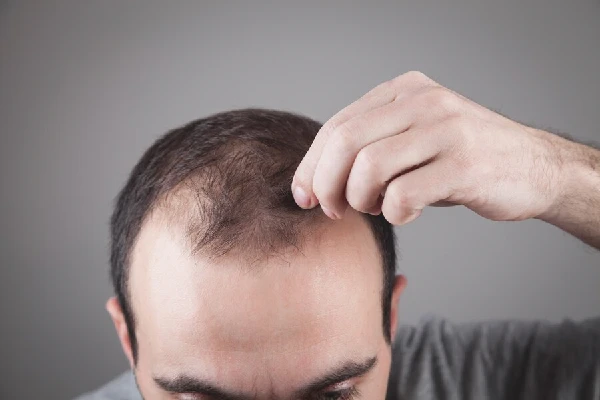
Our hair significantly shapes our appearance, playing a crucial role in our overall beauty. When we face hair loss, whether from shedding or reduced volume, the change in our look is evident. It becomes a priority to seek a swift resolution to restore our desired appearance. In this article, we will discuss hair with little volume and how to increase it.
It’s important to keep in mind that a decrease in hair volume can be a sign of ongoing or impending hair loss. However, it is often associated with temporary factors. By addressing these underlying issues, it is possible to reverse the situation and restore the familiar and desired hairstyle that we’re used to.
Factors that Affect Hair Volume
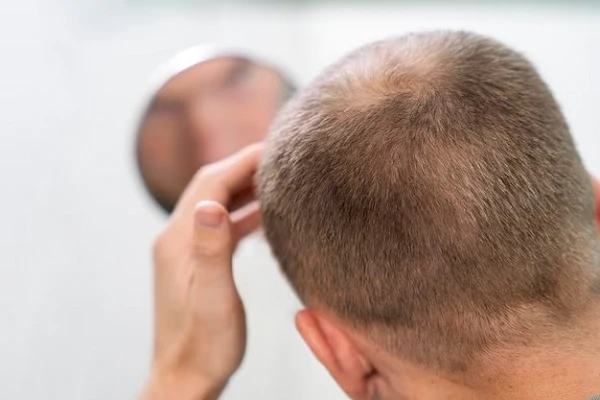
There are various factors that can impact the volume of hair. Let’s delve into an analysis of the key components that play a significant role in determining hair volume:
Genetic Influences
Genetic predisposition plays a significant role in determining hair thickness as well as the density and distribution of hair follicles on the scalp. This genetic influence affects various aspects of hair health, including its texture, volume, and overall appearance.
Hair Structure and Texture
The complex interplay between the cuticle, cortex, and medulla layers of the hair shaft contributes to its texture. It influences how light interacts with the strands and thereby affects the perceived volume.
Hair Diameter Variation
The diameter of individual hair strands varies among individuals. While fine hair may appear less voluminous, thicker strands tend to create an illusion of fuller locks.
Scalp Health Dynamics
Many factors, including sebum production, pH levels, and microbial flora, collectively contribute to scalp health. An optimal scalp environment fosters robust hair growth and volume.
Hormonal Complexity
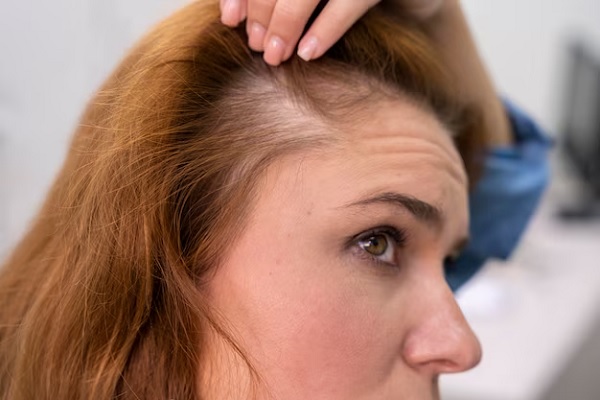
Hormonal fluctuations throughout life stages can impact hair growth cycles. Hormones such as estrogen, testosterone, and thyroid hormones are pivotal in determining hair volume.
Nutritional Nuances
Micronutrients, including vitamins (especially A, E, and D), minerals (such as iron and zinc), and proteins, act as building blocks for hair. Dietary deficiencies can result in weakened hair structure and reduced volume.
Environmental Interplay
Environmental stressors, such as UV radiation, pollution, and temperature extremes, can damage the hair cuticle. They can lead to structural changes that may compromise volume over time.
Styling Methodologies
Frequent use of heat styling tools, chemical treatments, and hairstyles exert tension on the hair shaft. They can cause damage, thinning, and decreased volume.
Product Formulations
The formulation of hair care products is crucial. Lightweight, volumizing products that provide adequate moisture without weighing the hair down are optimal for promoting volume.
Age-Related Transformations
Aging impacts the hair growth cycle, leading to hair thickness and density changes. The gradual reduction in melanin production can also influence the perception of volume.
Medication and Health Correlations
Certain medications and health conditions, such as autoimmune disorders or hormonal imbalances, can significantly impact hair volume. Their intricate interplay necessitates tailored interventions.
Individuals can make informed decisions about their hair care routines by considering these intricate details. They can also make better lifestyle choices and nutritional habits to nurture and optimize hair volume.
How to Give More Volume to the Hair
In addition to experimenting with various haircut techniques to boost hair volume, there are additional practices that can significantly contribute to overall hair health.
Firstly, consider integrating pre-wash massages into your weekly hair care routine, ideally two to three times a week. Opt for natural products or those expressly recommended by a hair care specialist. These massages are crucial in stimulating blood circulation, ensuring follicles receive the necessary nutrients for robust and healthy growth.
Moving on, it’s essential to prioritize the detangling process before washing, especially if you have fine and smooth hair. Use a comb with soft and wide teeth to prevent potential damage to the scalp. Avoid combs with thick and closely spaced prongs. During this process, employ gentle and careful movements to minimize stress on the hair.
Lastly, be mindful of the ingredients in your hair care products. Avoid shampoos and conditioners that contain silicones and parabens, as these can adversely affect hair health. Instead, opt for products enriched with vitamins B5, C, and E and ingredients like coconut oil or almond extracts. These elements contribute to the strengthening of hair follicles, resulting in a visibly healthier appearance crucial for achieving the desired volume.
Specialist Recommendations
According to various specialists, it’s advisable to wash your hair using warm water rather than very hot water. The reason for this is that warm water is believed to impart more texture to the hair, subtly increase thickness, and contribute to the longevity of your chosen hairstyle.
The recommended approach involves applying conditioner from the midsection to the ends of your hair. This should be done after ensuring your hair is well-drained post-shower and thoroughly towel-dried. Such a conditioning method enhances your hair’s overall appearance significantly.
Experts recommend an unconventional but effective method for the final rinse: flipping your head upside down. Additionally, after your shower, let your hair air-dry within a towel turban for a few minutes. This technique not only aids in drying but also allows you time to prepare or engage in other activities.
When combing your hair, especially if it’s okay and tends not to get tangled easily, consider using your hands instead of a comb. This hands-on approach is considered the least invasive to hair follicles and gentler on the scalp. Embrace using your fingers as natural picks for a more delicate touch.
Styling Techniques to Achieve Maximum Volume
Achieving voluminous hair involves more than just basic styling; it requires a nuanced understanding of various techniques. Here’s an in-depth look at specific methods to enhance volume in your hair:
Blow-Drying for Volume
To maximize volume while blow-drying, start with a volumizing shampoo and conditioner to create a solid foundation. Section your hair and use a round brush to lift the roots while blow-drying. Additionally, flipping your head upside down during the process can create added lift and volume. Consider using a diffuser attachment to enhance natural curls and waves while maintaining volume.
Using Rollers or Velcro Curlers
Rollers and Velcro curlers are classic tools for achieving volume and bounce. Opt for larger rollers for a more substantial volume. After washing and conditioning your hair, apply a volumizing mousse or foam to damp hair before setting the rollers. Allow your hair to dry naturally or use a hooded dryer for a heat-assisted approach. Once the rollers are removed, gently tousle the hair for a natural, voluminous finish.
Teasing Your Hair
Teasing, or backcombing, is a technique that adds immediate lift and volume. Begin by sectioning your hair and focusing on the crown area. Take small sections and backcomb toward the roots, working your way down. Use a fine-tooth comb or a teasing brush for precision. Once teased, smooth the top layer without brushing out the volume underneath. Finish with hairspray to set the teased sections and maintain volume throughout the day.
Adding Texture with Hairspray or Mousse
Hairspray and mousse are versatile products that can enhance texture and volume. Apply a volumizing mousse to damp hair for a textured look, focusing on the roots. Use a diffuser attachment while blow-drying to amplify the product’s effects. Alternatively, hairspray can be applied to dry hair in layers, lifting sections and spraying at the roots for targeted volume. Choose a flexible-hold hairspray to maintain a natural feel while keeping the volume intact.
Long-Term Strategies for Thicker, Fuller Hair
Many share the aspiration of achieving and maintaining thicker, fuller hair. While genetics play a significant role in determining hair growth and thickness, several long-term strategies can help you achieve your hair goals. These strategies focus on promoting overall hair health, addressing underlying issues that may contribute to hair loss, and adopting hair care practices that enhance volume and fullness.
1. Maintain a Healthy Diet and Lifestyle
A healthy diet is essential for overall health, including hair growth. Ensure your diet includes a variety of nutrient-rich foods, such as:
- Protein: Protein provides the building blocks for hair growth. Include lean proteins like fish, poultry, beans, and lentils in your diet.
- Biotin: Biotin is a B vitamin that plays a role in hair growth and structure. It is found in eggs, avocados, nuts, and seeds.
- Vitamin C: Vitamin C is an antioxidant that promotes collagen production, essential for healthy hair follicles.
- Iron: Iron deficiency can lead to hair loss. Include iron-rich foods like red meat, beans, and leafy green vegetables in your diet.
- Zinc: Zinc is another mineral that plays a role in hair growth. It is found in oysters, beef, and pumpkin seeds.
2. Take Hair Growth Supplements
Hair growth supplements can provide additional nutrients to support hair growth and thickness. Some popular hair growth supplements include:
- Biotin: Biotin is a B vitamin that has been shown to promote hair growth in some studies.
- Saw palmetto: Saw palmetto is an extract from a palm tree that may help prevent hair loss in men.
- Minoxidil: Minoxidil is an over-the-counter medication that is applied to the scalp to promote hair growth.
- Finasteride: Finasteride is a prescription medication used to treat male pattern hair loss.
3. Consider Hair Loss Treatments
If you are experiencing significant hair loss, you may consider hair loss treatments. These treatments can include:
- PRP (Platelet-Rich Plasma): PRP involves injecting your own platelets into your scalp to promote hair growth.
- Laser therapy: Laser therapy involves using low-level laser light to stimulate hair follicles.
- Hair transplantation: Hair transplantation involves surgically removing hair follicles from one area of the scalp and transplanting them to another area.
Remember, achieving thicker, fuller hair takes time and effort. Be patient and consistent with your hair care routine, and you will see results.