




Hair transplant with grey hair has become increasingly popular among individuals seeking natural-looking results, regardless of their age or hair colour. This innovative technique allows surgeons to relocate healthy hair follicles—even if they are grey—into areas with noticeable hair loss. The most important point to remember is that grey hair follicles are just as viable as pigmented ones for transplantation. With advancements in technology, outcomes are now more consistent, providing restored volume without compromising the hair’s natural appearance.
While some may believe that grey hair is unsuitable for transplantation, modern methods such as FUE hair transplant (Follicular Unit Extraction) prove otherwise. In this technique, individual grafts are harvested and precisely implanted in thinning areas. This approach ensures a high survival rate for grey follicles and yields results that blend seamlessly with the surrounding hair. As a minimally invasive method, FUE significantly reduces downtime and scarring.
Hair transplant for men, especially those with grey hair, continues to see rising demand, thanks to personalised solutions and evolving surgical practices. Surgeons assess factors like hair density, texture, and contrast between skin and hair to plan the hair transplant with grey hair. This detailed planning phase is crucial to achieving a natural result, even with grey strands. Additionally, patients should note that success largely depends on the expertise of the clinic and the customisation of the technique.
Many are also concerned about affordability. While procedures in the UK vary, understanding the hair transplant cost in the UK is vital for informed decision-making. For those exploring international options, a comprehensive hair transplant package Turkey can be an attractive alternative, often including accommodation and aftercare.
What is a hair transplant with grey hair?
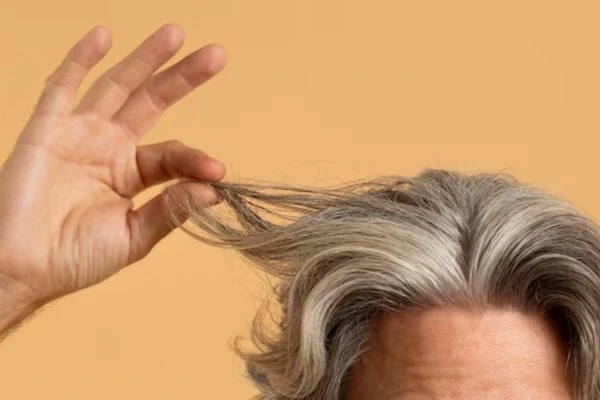
The key challenge with hair transplant with grey hair lies in its visibility during the extraction and implantation phases. Because grey or white hair can be difficult to see against the scalp, surgeons must use specialised tools and lighting. Despite these difficulties, experienced professionals can achieve excellent results by adapting their techniques to the specific needs of grey-haired patients. For instance, hair follicles are still healthy and viable even if the hair has lost its pigment, which means they can grow just as successfully after transplantation.
Moreover, grey hair often retains the same growth patterns and density as pigmented hair. As a result, when performed correctly, a hair transplant treatment for ageing hair can deliver very natural-looking results that blend seamlessly with the existing hairline. It does not matter if it is a hair transplant for men or women. Additionally, surgeons take care to match the direction, angle, and density of transplanted follicles to the natural hair for optimal results. Patients can be confident that their newly implanted hair will grow harmoniously with their existing strands.
Is a hair transplant with grey hair possible?
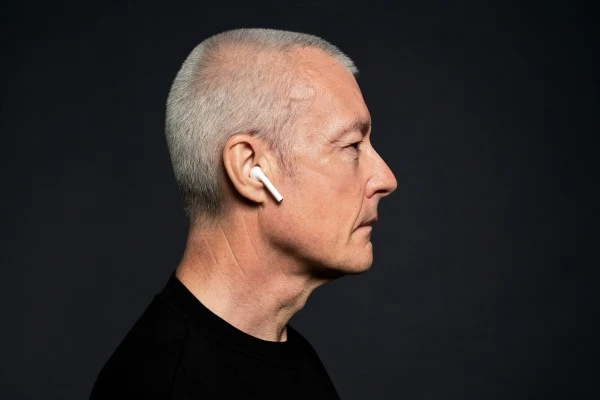
Hair transplant with grey hair is absolutely possible, as grey hair follicles remain healthy and strong, just like any other hair type. These follicles can be successfully used in a hair grafting procedure. During the process, the surgeon carefully selects healthy hair follicles from the donor area, regardless of whether the hair is grey or darker. Then, these follicles are transplanted into bald or thinning scalp areas, where they continue to grow naturally and produce hair, maintaining their original colour.
It is important to understand that grey hair tends to appear thinner than darker hair, which may make it more challenging to achieve full coverage in the recipient area. Therefore, the surgeon might need to transplant a higher number of grafts to reach the desired density. This ensures that the overall result looks natural and satisfactory. Additionally, because grey hair’s texture and appearance differ from darker hair, it can influence the final look of the transplanted hair. For this reason, patients are encouraged to discuss their expectations thoroughly with their surgeon.
Moreover, some patients may have undergone a FUE hair transplant previously and wonder how grey hair will respond in a new procedure. It is reassuring to know that grey hair follicles respond well to grafting techniques and continue to grow after transplantation. With modern techniques and expert surgeons, the success rate of hair transplants with grey hair is high. Hence, having an open dialogue about hair colour, texture, and coverage needs is essential to achieve the best possible outcome.
Is hair transplant with grey hair effective?
Hair replacement for grey hair can be a highly effective solution for hair loss, but its success depends on several key factors. These include the patient’s age, the degree of hair loss, and the quality and texture of the donor hair. Furthermore, understanding these variables is essential before undergoing the procedure.
Research consistently shows that hair transplant with grey hair significantly restores hair growth in both men and women suffering from pattern baldness. For example, a study published in the Journal of the American Academy of Dermatology reported notable increases in hair density and thickness after hair grafting. This reinforces the effectiveness of the treatment across diverse patient groups.
Although grey hair tends to be thinner and less dense compared to darker hair, it remains a viable donor source. Grey hair can still be successfully transplanted, leading to healthy and natural growth in the recipient area. However, it is important to manage expectations since the texture and appearance of the transplanted hair might differ slightly from the patient’s original hair. Additionally, full blending with surrounding hair often requires some time.
Patients interested in hair restoration for grey hair should seek advice from an experienced hair transplant surgeon. The specialist can evaluate individual cases and recommend the most suitable treatment plan. Many clinics also offer a hair transplant package in Turkey, which combines quality care with competitive pricing, making the procedure more accessible to international patients.
How is the recovery after hair grafting?
Recovery involves several important stages, from managing initial discomfort to the gradual regrowth of hair. Proper care during each step significantly impacts the outcome and longevity of the transplant.
Step 1: Initial recovery and managing discomfort
After a hair transplant with grey hair, patients usually experience mild discomfort and swelling. This reaction is normal as the scalp adjusts to the newly transplanted follicles. The discomfort tends to peak within the first two or three days but then gradually subsides. Proper care during this phase is vital to avoid infections and ensure graft survival.
Managing these symptoms carefully can make a big difference. Patients should take any prescribed pain medication and anti-inflammatory drugs as directed. Also, keeping the head elevated while resting helps reduce swelling. Avoid touching or scratching the treated area to prevent irritation and damage to the delicate grafts.
Step 2: Protecting the transplanted area
Immediately after the procedure, protecting the transplanted scalp is crucial. Patients should avoid strenuous physical activity for at least a week. Exercise increases blood flow and sweating, which can negatively affect the healing grafts. Similarly, exposure to direct sunlight should be avoided as UV rays may harm the sensitive scalp.
Doctors often recommend wearing a loose-fitting bandage or head covering to shield the area. This barrier prevents dust, dirt, and accidental bumps from disturbing the grafts. Additionally, patients should sleep with their heads elevated to limit swelling. These simple precautions significantly improve the chances of successful hair growth.
Step 3: Resuming daily activities and work
Most patients can return to work and normal routines within seven to ten days after their hair transplant for grey hair. However, it is important to ease back into activities gradually. Avoiding heavy lifting or intense exercise during this time reduces the risk of complications.
While everyday tasks are possible, patients should still handle their scalp gently. Hair washing routines should follow the surgeon’s specific instructions. Gentle washing promotes cleanliness without damaging the new grafts. Transitioning carefully back to normal life supports a smoother recovery and better results.
Step 4: Hair shedding and regrowth
One important aspect of recovery is the initial shedding phase. After a few weeks, transplanted hairs may fall out. This shedding often alarms patients, but it is completely normal. It indicates that the scalp is healing and preparing to produce new hair growth.
New hairs usually begin to appear within two to four months after the transplant. Over time, these hairs thicken and blend with existing hair, creating a natural look. Patience is key during this phase. Following all post-operative care instructions helps stimulate healthy hair growth.
Step 5: Following post-operative care
Strictly following the surgeon’s post-operative care is essential for success. This includes taking medications to reduce pain and swelling and avoiding certain hair products. Patients should use only recommended shampoos and conditioners to support scalp health.
Additionally, maintaining a healthy lifestyle boosts recovery. A balanced diet rich in vitamins and minerals supports hair growth. Regular check-ups allow the surgeon to monitor progress and address any issues early. Remember, the hair transplant cost in the UK or another country often reflects the quality of aftercare and expertise offered, which can influence final results.
Conclusion
Hair transplant with grey hair treatments offers a promising solution for those seeking to restore thinning or lost hair with a natural appearance. Although the recovery process after hair grafting can take several months, most patients find they can return to their usual routines within a week to ten days. It is essential to follow the surgeon’s post-operative care instructions carefully to ensure the best possible outcome.
Patience is key during the regrowth phase, as the transplanted hair gradually blends in with the surrounding hair, providing a fuller and more natural look. With proper care and attention, hair grafting can effectively address hair loss issues, even in cases involving grey hair, helping patients regain confidence in their appearance.
Choosing the right clinic for a hair transplant is equally important to achieve satisfactory results. At Capilclinic, we specialise in tailored hair transplant procedures that consider the unique characteristics of grey hair, ensuring a seamless and natural finish. Our experienced team supports you throughout the entire journey, from consultation to recovery.
If you are interested in a hair transplant involving a grey hair solution, we invite you to visit our website at capilclinic.uk! Discover how our expert team can help you achieve the hair restoration results you desire with care and professionalism.