



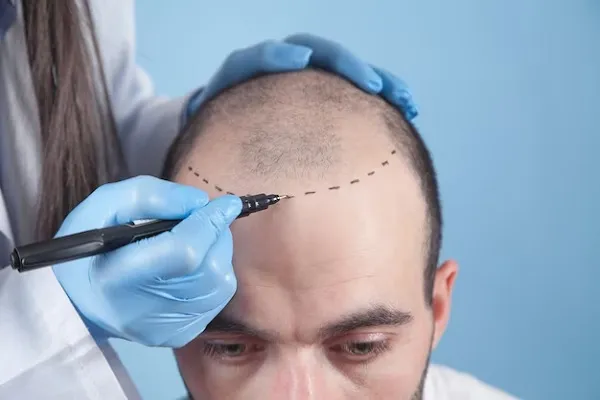
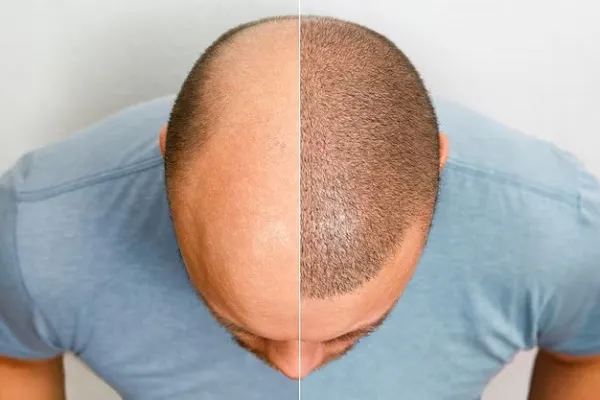
However, evaluating hair transplant before and after photos from trusted clinics is crucial to assess outcomes. Many candidates face uncertainty when choosing between hair transplant London or international options. This blog explores the science, success factors, and challenges of forecasting results. With expert care and proper aftercare, a hair transplant will work for most, offering a transformative path to renewed confidence.
How to know if a hair transplant will work?
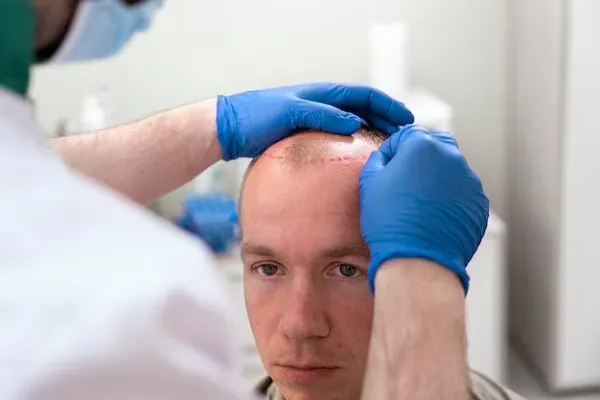
Hair transplant will work effectively in many cases, but its success depends on multiple critical factors that vary from one patient to another. These include the surgeon’s experience, the patient’s overall health, and the quality and availability of donor hair on the scalp. Hair transplantation remains one of the most reliable methods for restoring hair in individuals facing different types of alopecia or pattern baldness. When evaluating candidacy, it’s important to review detailed hair transplant before and after images to establish realistic expectations.
The American Society of Plastic Surgeons (ASPS) highlights that hair transplant procedures typically result in moderate to significant increases in hair density. However, patients seeking major transformation might require complementary techniques such as scalp reduction, tissue expansion, or skin flap surgery to achieve their goals. These procedures are usually considered when the donor hair supply is limited or when broader coverage is needed across the scalp. Success also hinges on the post-surgical care and adherence to recovery protocols advised by medical professionals.
Success rates of hair transplants
There is currently limited large-scale research offering universal success rates for hair transplantation, but smaller, focused studies provide strong evidence of effectiveness. One particular study examined individuals who received Follicular Unit Extraction (FUE) with the combined use of scalp and body or beard hair. These patients were monitored for an average of 2.9 years, and most reported high satisfaction levels. Their average rating of the outcome was 8.3 out of 10, indicating a substantial degree of confidence in the long-term viability of the results.
Another promising finding relates to the integration of platelet-rich plasma (PRP) therapy with FUE procedures, which further boosts results. In a separate study, 100% of participants who received PRP with their transplant showed over 75% hair regrowth after six months. Those in the PRP group experienced increased hair density, faster recovery, and improved skin regeneration when compared to the control group. These enhancements can improve patient outcomes and raise overall satisfaction, especially for individuals curious about how a hair transplant will work in their specific situation.
What are the types of hair transplant?
Understanding the type of technique used helps determine whether a hair transplant will work for each individual case. During a hair transplantation procedure, the specialist extracts hair follicles from an area with high hair density. This donor area is most often located at the back of the scalp, where hair tends to be more resistant to loss. Next, the extracted follicles are implanted into tiny incisions made in the balding or thinning areas of the scalp. The objective is to achieve natural-looking results that blend seamlessly with the existing hair.
There are two principal methods used to perform a hair transplant. Each technique has distinct advantages depending on the patient’s condition, hair type, and desired results. Choosing the right method plays a significant role in the outcome and overall satisfaction of the treatment. To better understand how does hair transplant work, it’s important to explore both options thoroughly.
Follicular Unit Strip Surgery (FUSS)
In the Follicular Unit Strip Surgery (FUSS) method, a thin strip of skin is removed from the donor area of the scalp. After removal, the incision is closed with stitches, leaving a linear scar which can be concealed by surrounding hair. The harvested strip is dissected under a microscope into tiny follicular units, each containing one or more hairs. These units are then carefully inserted into the recipient site to match the natural growth pattern.
Although this technique is more invasive, it allows the surgeon to harvest a large number of grafts in a single session. FUSS is often recommended for patients requiring extensive coverage or with limited donor sites. The success of this method depends heavily on the skill of the surgeon and post-procedure care. When performed correctly, it can significantly improve hair density and appearance.
Follicular unit extraction (FUE)
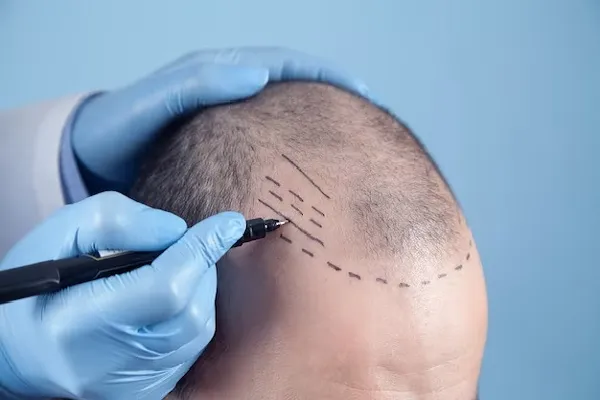
The Follicular Unit Extraction (FUE) method uses a small punch tool to remove individual follicles directly from the donor area. This approach leaves tiny dot-like scars rather than a long linear one and generally doesn’t require stitches. While it demands more time and precision, it offers faster healing and less noticeable scarring. Studies have shown that FUE often yields excellent results, though it requires a high level of expertise from the surgeon.
A 2019 study suggests that FUE may take longer than FUSS, but a hair transplant will work effectively if performed by a skilled professional. For individuals with insufficient donor hair on the scalp, grafts may also be taken from the chest, chin, or back. Though the extraction of body or beard hair is more time-consuming and technically demanding, it provides an alternative solution for certain patients.
What about the treatment duration and anaesthesia?
Hair transplant procedures vary in duration based on the number of grafts required, typically lasting several hours per session. Both FUSS and FUE require local anaesthesia to minimise discomfort during the process. In most cases, patients can return home the same day, with minimal downtime. Recovery protocols will differ slightly depending on the chosen method, but proper care is essential for optimal results.
Several factors influence the success of the procedure, including hair type, donor site condition, and the surgeon’s experience. Patients should consult a qualified specialist to determine the most appropriate method for their needs. Understanding all the variables involved helps set realistic expectations and increases the likelihood that the hair transplant will work and deliver lasting, satisfying outcomes.
What factors influence whether a hair transplant will work?
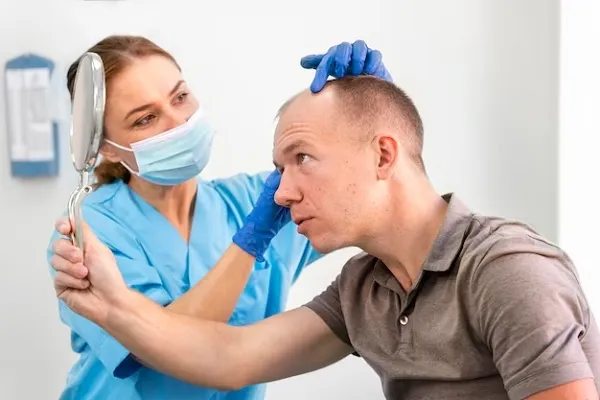
Understanding what determines if a hair transplant will work is essential for anyone considering the procedure. Several key elements, such as candidacy, donor area quality, surgeon skill, and aftercare, significantly influence success. These factors must be carefully assessed to improve the chances of achieving long-lasting, natural-looking results. One of the most important factors is the quality of the donor area, as it directly affects graft survival and density.
1- Patient candidacy
The patient’s overall health plays a central role in determining suitability for hair transplant surgery. Individuals with chronic illnesses, autoimmune disorders, or those taking certain medications may not be ideal candidates. Evaluating medical history allows professionals to assess risk and plan safely. Those with realistic expectations tend to report higher satisfaction with the outcome. It’s vital to understand the limits of the procedure and avoid assumptions. This mindset reduces the likelihood of post-surgery regret and leads to better psychological and aesthetic results.
2- Donor area quality
A successful hair transplant largely depends on the donor area’s density and hair condition. Grafts harvested from a region with strong, healthy follicles yield better coverage and growth. Surgeons evaluate this area to decide how many grafts can be safely extracted. If the donor site lacks density, alternative approaches might be considered. Donor strength often dictates the achievable density post-transplant, making it a cornerstone of the evaluation process. Patients should review hair transplant Turkey reviews to better understand what to expect and choose reliable clinics.
3- Surgeon’s expertise
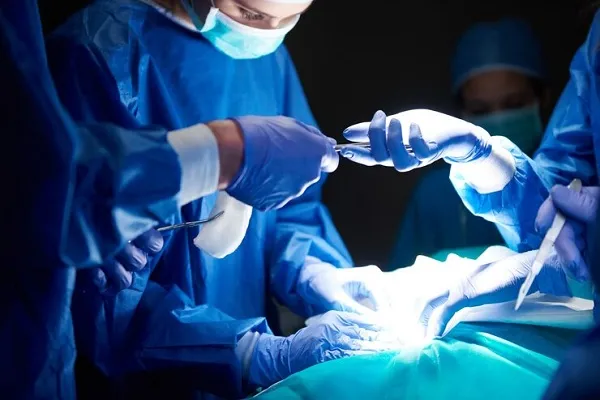
The experience and skill of the surgeon directly affect whether a hair transplant will work. An experienced surgeon not only performs the procedure with precision but also evaluates candidacy and tailors the technique to the individual. Experts ensure that hairlines look natural and place grafts strategically. Professionals advise patients to research thoroughly, request before-and-after photos, and check for certifications. Choosing a surgeon with a proven record significantly increases the likelihood of satisfactory and durable results.
4- Post-transplant care
The final determining factor is how well patients follow post-transplant care instructions. Aftercare influences healing speed, reduces complications, and promotes graft retention. Proper hygiene, avoiding trauma to the scalp, and following medication protocols are essential. Patients should attend all scheduled follow-up appointments to monitor the progress of a hair transplant London, for instance. Hair transplant will work when aftercare is consistent and precise, as recovery is just as critical as the surgery itself. Without commitment to these steps, even technically perfect procedures may fail to deliver desired results.
Conclusion
Hair transplantation will work effectively for many individuals, but its success depends on several personal and medical factors. From the quality of your donor area to your overall health and commitment to aftercare, each element plays a crucial role. It’s not just about the procedure itself—it’s also about how well your scalp responds to the transplant and how closely you follow the surgeon’s post-op instructions. Understanding this can help you set realistic expectations from the beginning.
Every hair transplant journey is unique. Some people see results sooner, while others require a longer period for growth to become visible. Being patient and staying in contact with your specialist during the recovery phase is essential. Results typically begin to appear in the third or fourth month and continue to improve for up to a year. Monitoring progress and attending follow-up appointments will help ensure optimal results.
It’s also important to work with a trusted clinic and a skilled medical team. A professional assessment will determine your candidacy and create a personalised treatment plan. This step cannot be skipped if you want to increase your chances of long-term success. Relying on experienced surgeons ensures that the technique used will be suitable for your type of hair loss and scalp condition.
In the end, hair transplantation will work best when performed by experts using advanced techniques tailored to your needs. If you’re seriously considering a hair transplant, we invite you to explore the treatments available at capilclinic.uk. Our team is here to guide you every step of the way—book your consultation today and take the first step toward restoring your confidence.
At Capilclinic, we’re trusted by thousands of patients in the UK and Europe as a leading Hair Transplant Clinic in Turkey and Spain, known for our expert doctors, advanced facilities, natural hairline results, and affordable all-inclusive packages. Reach out to our team today to start your transformation.