



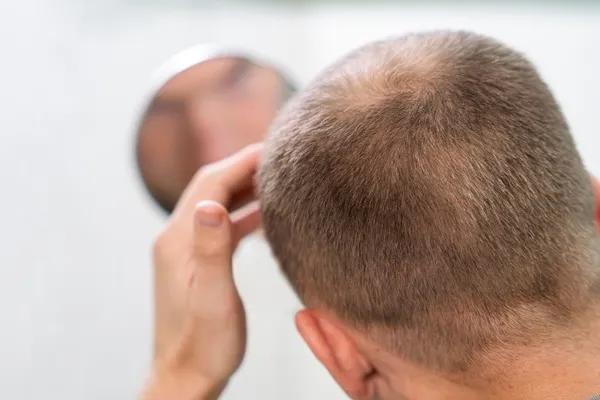
The answer is not as straightforward as one might hope. While hair transplants are designed to be permanent, several factors influence their longevity. From the quality of donor hair to post-operative care, these elements play a crucial role in determining how long the transplanted follicles will thrive. In this blog post, we’ll explore the science behind hair transplants, discuss their permanence in detail, and provide insights into maintenance strategies to ensure optimal results. So, if you’ve ever wondered if is the hair transplant permanent, read on to uncover everything you need to know.
Is a hair transplant permanent?
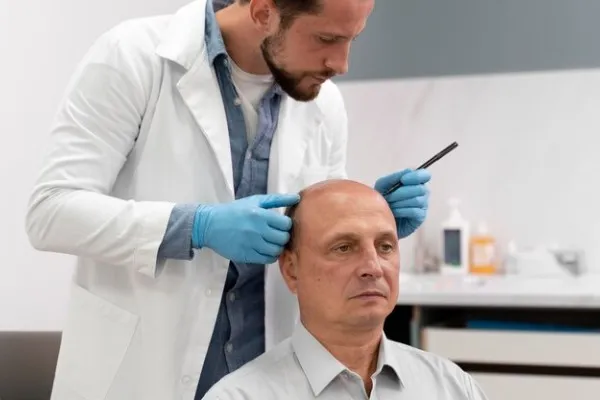
Hair transplants have revolutionized the way we approach hair restoration. By transferring hair follicles from a donor area, usually the back or sides of the scalp, to areas experiencing thinning or baldness, this procedure offers a solution that mimics natural hair growth. But what makes these transplanted hairs permanent?
The key lies in the genetic resistance of donor follicles to dihydrotestosterone (DHT), a hormone responsible for male and female pattern baldness. These follicles retain their resistance even after being transplanted, allowing them to grow naturally in their new location. However, permanence doesn’t mean immunity to all factors; transplanted hair can still be affected by aging or improper care. Understanding these nuances is essential for anyone considering this procedure.
How Does Hair Transplant Work?
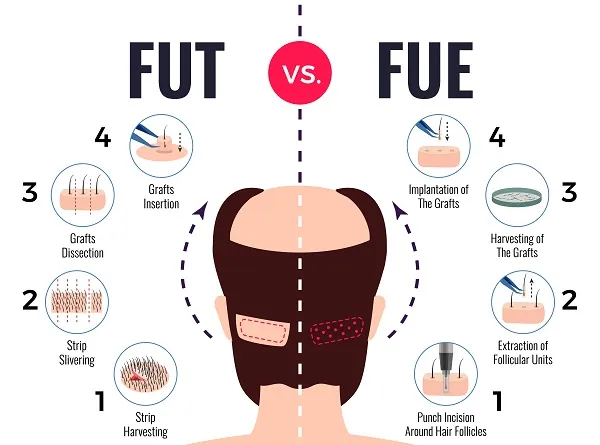
Hair transplantation has evolved into a sophisticated cosmetic procedure that delivers permanent, natural-looking results for individuals experiencing hair loss. The process relies on carefully relocating healthy, DHT-resistant hair follicles from donor areas to thinning or balding regions. Two advanced techniques dominate the field today, each with distinct advantages for achieving permanent hair restoration:
1. Follicular Unit Transplantation (FUT)
The FUT technique involves surgically removing a thin strip of scalp from the donor area, typically the back of the head, where hair is genetically resistant to balding. This strip is then meticulously dissected under a microscope into individual follicular units containing 1-4 hairs each.
- Why FUT ensures permanent results
- Preserves the natural follicular structure, maximizing graft survival.
- Allows for the transplantation of a large number of grafts in a single session.
- Ideal for patients requiring significant coverage.
- Recovery & longevity
- A linear scar is concealed by surrounding hair.
- Transplanted follicles shed initially but regrow permanently within 6-12 months.
2. Follicular Unit Extraction (FUE): The Scarless Approach
The FUE technique involves extracting individual follicular units directly from the donor area using a precision punch tool, leaving tiny, barely visible dots instead of a linear scar.
- Why FUE delivers permanent hair restoration
- Minimally invasive with faster healing.
- No stitches required, reducing downtime.
- Excellent for patients who prefer shorter hairstyles.
- Recovery & longevity
- Less post-operative discomfort compared to FUT.
- Like FUT, transplanted hair sheds before entering a permanent growth phase.
Why is transplanted hair permanent?
After transplantation, follicles go through three phases:
- Shock loss (2-4 weeks): Temporary shedding of transplanted hairs.
- Resting phase (1-3 months): Follicles prepare for new growth.
- Permanent growth phase (4-12 months): New hair emerges, thickens, and blends naturally.
Since transplanted follicles are taken from DHT-resistant zones, they continue growing for a lifetime, unlike native hairs susceptible to balding.
Which technique is right for me?
- FUT → Best for extensive hair loss, maximizing grafts in one session.
- FUE → Preferred for minimal scarring and quicker recovery.
Both methods guarantee permanent hair transplant results when performed by skilled surgeons. The key to lifelong success lies in selecting the right technique, following post-op care, and maintaining scalp health with treatments like PRP or medications.
Which factors affect hair transplant permanency?
When considering a hair transplant permanent solution, it’s important to recognize that while the procedure is designed to provide lifelong results, several factors influence its long-term success. Here’s a detailed look at what determines the durability of your transplanted hair:
1- Quality of donor hair
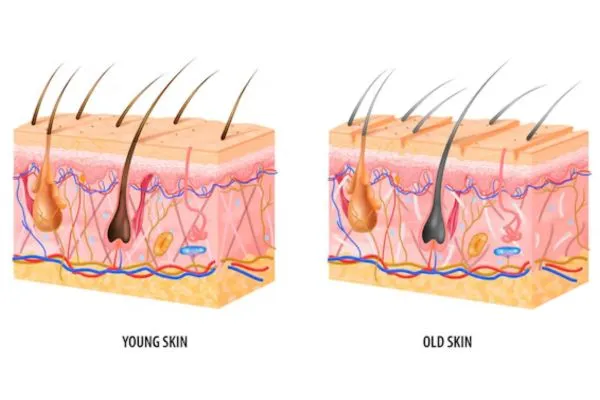
The permanence of a hair transplant largely depends on the strength and health of the donor follicles. Hair taken from the “safe zone”, typically the back and sides of the scalp, is genetically resistant to DHT, the hormone responsible for pattern baldness.
However, if the donor hair is weak or thinning, the transplanted follicles may not thrive as effectively. A thorough evaluation by your surgeon ensures that only the most robust follicles are used, maximizing the chances of permanent hair transplant success.
2- Surgical expertise
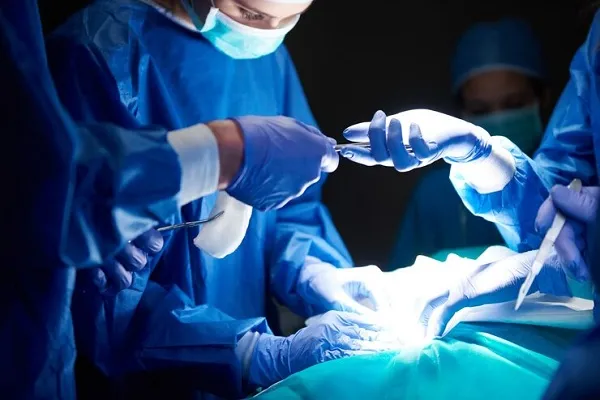
The skill and technique of your surgeon play a pivotal role in ensuring that transplanted hair remains permanent. Advanced methods like FUE and FUT require meticulous precision to avoid follicle damage during extraction and implantation.
A qualified surgeon ensures proper graft placement, natural hairline design, and minimal trauma to the scalp—all of which contribute to long-lasting, natural-looking results. Choosing an experienced specialist is non-negotiable for a hair transplant permanent outcome.
3- Post-operative care
Even the most successful hair transplant permanent procedure can be compromised by poor aftercare. Following your surgeon’s instructions, such as avoiding strenuous activity, keeping the scalp clean.
Also, taking prescribed medications, for example Finasteride or Minoxidil, is crucial for optimal healing and follicle survival. Neglecting these guidelines can lead to infections, poor graft retention, or delayed growth, undermining the permanence of your hair transplant.
4. Natural aging
While transplanted hair is DHT-resistant, aging can still cause gradual thinning over decades. This is a natural process unrelated to male or female pattern baldness. Some patients may notice slight changes in hair density as they age, but the transplanted hair typically remains far more stable than non-transplanted areas.
To counteract this, maintenance therapies like PRP or low-level laser therapy (LLLT) can help sustain hair health long-term.
Maintenance tips for hair transplant permanent results
Since a hair transplant permanent outcome relies on both the surgical procedure and proper aftercare, adopting the right maintenance strategies is crucial for preserving your results. First and foremost, follow your doctor’s recommendations regarding medications such as Minoxidil, which stimulates hair growth, and Finasteride, which blocks DHT, the hormone responsible for hair loss. These treatments help maintain both transplanted and existing hair, preventing further thinning.
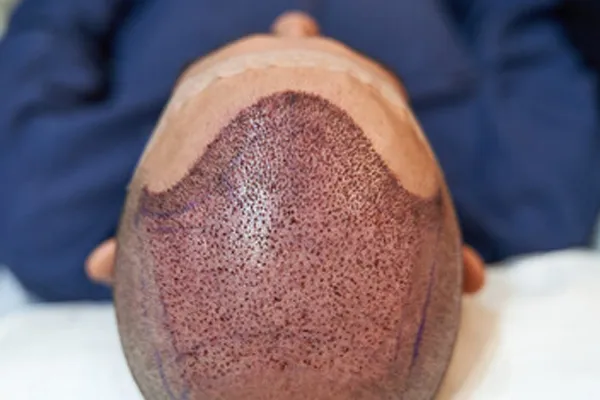
Additionally, protect your scalp from environmental damage, as prolonged sun exposure can weaken hair follicles. Wearing a hat or applying a scalp-friendly sunscreen when outdoors will shield your hair from harmful UV rays. Furthermore, avoid aggressive hair styling habits, including tight ponytails, excessive heat treatments, or harsh chemical products, as these can strain follicles and lead to unnecessary shedding.
For optimal follicle health, consider supplementary treatments like PRP (Platelet-Rich Plasma) therapy. PRP injections deliver growth factors directly to the scalp, promoting stronger, thicker hair over time. Many patients schedule periodic sessions to enhance their hair transplant permanent results.
By staying consistent with these practices, you not only protect your investment but also ensure that your transplanted hair remains thick, natural-looking, and resilient for decades. Remember, long-term success depends on both the initial procedure and your commitment to ongoing care.
Faq’s
Is the hair transplant permanent for everyone?
A hair transplant is generally considered a permanent solution for hair loss because the transplanted follicles are typically taken from the donor area, usually the back or sides of the scalp, where hair is genetically resistant to dihydrotestosterone (DHT), the hormone responsible for male and female pattern baldness. However, while most patients enjoy long-lasting results, the permanence of a hair transplant can vary depending on factors such as age, overall hair health, the quality of the donor follicles, and adherence to post-operative care. Some individuals may experience minimal thinning over time, but the transplanted hair usually remains intact for decades.
Can further hair loss affect the appearance of transplanted areas?
Although a hair transplant is permanent, it does not prevent future hair loss in non-transplanted areas. The transplanted hair is DHT-resistant and should continue to grow, but the surrounding natural hair may still thin or recede due to genetic baldness. This can sometimes create an uneven appearance, with dense patches of transplanted hair contrasting with thinning native hair. To maintain a balanced look, some patients opt for additional transplant sessions or use medications like finasteride or minoxidil to slow further hair loss.
How long does it take for transplanted hair to grow permanently?
After a hair transplant, the newly implanted hairs go through a shedding phase, shock loss, within the first few weeks, which is a normal part of the process. Over the next 4–6 months, the follicles enter the anagen growth phase, and new hair begins to grow. While initial growth may be fine and thin, it gradually thickens over time. Most patients see noticeable results by 6–9 months, with full, permanent growth typically visible after 12–18 months. Proper aftercare, including avoiding trauma to the scalp and following medical advice, helps ensure optimal and long-lasting results.
Conclusion
Hair transplant permanent results are achievable for most individuals, making the procedure a worthwhile investment in restoring confidence and achieving a natural-looking appearance. While the transplanted hair is typically resistant to DHT and designed to last a lifetime, long-term success depends on factors such as surgical technique, post-operative care, and individual health conditions. By choosing a skilled surgeon, following proper aftercare, and maintaining overall scalp health, patients can maximize the permanence of their results. If you’re considering undergoing this transformative procedure, carefully evaluate the cost, surgeon expertise, and long-term maintenance requirements. With the right approach, your investment will stand the test of time, delivering lasting confidence and satisfaction.
At Capilclinic, we’re trusted by thousands of patients in the UK and Europe as a leading Hair Transplant Clinic in Turkey and Spain, known for our expert doctors, advanced facilities, natural hairline results, and affordable all-inclusive packages. Reach out to our team today to start your transformation.