




A lot of people, both men and women, worry about losing their hair. People usually think of men when they hear this topic, but it’s important to remember that women can also have problems with hair loss or thinning. This can hurt your trust and sense of self-worth. Hair transplants offer hope for women. This procedure has been more popular with men in the past, but it is now becoming more popular as a possible option for women as well. This post will talk about hair transplant for women.
Understanding Hair Loss in Women
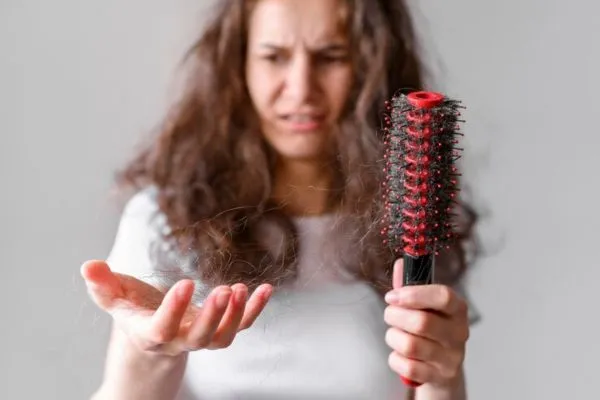
Different factors can lead to female pattern baldness. Hair thinning or bald spots can be caused by things including heredity, hormonal changes, stress, illness, and even how you wear your hair. Androgenetic alopecia, the medical term for female pattern baldness, typically manifests itself as a general thinning of hair rather than a receding hairline. This typically occurs over time, initially manifesting as a more pronounced hair part and eventually resulting in thinning hair.
Types of Female Hair Loss
In women, various types of hair loss can occur, each with its unique characteristics. These include:
- Androgenetic Alopecia: Female-pattern baldness is characterised by a gradual thinning of hair on the top of the head. Women with this disorder, in contrast to men, often have diffuse thinning rather than a receding hairline.
- Telogen Effluvium: This is a short-term condition that makes you lose a lot of hair because it throws off your hair growth cycle. It can be caused by things like worry, illness, and changes in hormones, or not getting enough nutrients.
- Alopecia Areata: People with this condition lose their hair all of a sudden in patches. It is thought to be an autoimmune disease in which the immune system attacks hair follicles by mistake.
Causes of Hair Loss in Women

Hair loss is a common problem that affects many women around the world. While it’s normal to lose a few hairs every day, excessive hair loss can be concerning. Below are the main causes of hair loss in women:
- Family history (heredity):
- Androgenic alopecia is the most common cause of hair loss in women. It is inherited and manifests itself with aging. It is also known as female pattern baldness.
- In men, this condition is called male pattern baldness. Both sexes experience gradual thinning of hair due to the sensitivity of the follicles to hormones.
- Radical hormonal changes:
- Hormonal fluctuations, such as those related to menopause, can affect the hair growth cycle.
- Pregnancy and postpartum can also trigger hormonal changes that affect hair.
- Hair disorders and diseases:
- Conditions such as psoriasis, lupus, and alopecia areata can lead to hair loss.
- Ringworm (fungal infection) can also cause circular bald patches.
- Depression and stress:
- Emotional stress can contribute to hair loss. Stressful situations, such as the loss of a loved one or work problems, can affect hair health.
- Poor nutrition:
- An unbalanced diet can affect hair health. A lack of essential nutrients, such as protein, iron, zinc, and vitamins, can contribute to hair loss.
- Aggressive styling practices:
- Tight hairstyles, chemical treatments, and excessive use of heat can damage hair and cause hair loss.
- Avoid the constant use of straighteners, dryers and curling irons at high temperatures.
Remember that it is always important to consult with a medical professional to evaluate the specific cause and determine the best treatment options.
Are Hair Transplants Suitable for Women?
In the past, hair transplants were predominantly associated with men; now, because to developments in technology and enhanced techniques, they have emerged as a viable option for women as well. However, it is crucial to acknowledge that not all women experiencing hair loss are suitable candidates for a hair transplant procedure. Women who have substantial thinning or significant bald spots may not get as significant benefits in comparison to those who have localised areas of thinning hair.
Types of Hair Transplants for Women
Two primary hair transplant techniques are commonly used for women:
- Follicular Unit Transplantation (FUT): In this process, a strip of skin is taken from the donor area, often from the back of the head. This strip is then carefully divided into individual grafts, which are subsequently placed in the recipient area where the hair is thinning. The resulting scar from the removal is typically easily hidden by the surrounding hair.
- Follicular Unit Extraction (FUE): FUE (Follicular Unit Extraction) includes extracting individual follicular units from the donor area, typically done using a punch tool. These extracted units are then transplanted into the recipient area where the hair is needed. This method is known for causing minimal scarring and enables a more scattered extraction pattern compared to other techniques.
Both methods focus on achieving a natural appearance by meticulously and strategically transplanting hair grafts.
Candidacy Criteria for Women
Determining whether a woman is a suitable candidate for a hair transplant involves several factors:
- Extent of Hair Loss: Those with specific areas of thinning hair tend to be better candidates than women experiencing widespread hair thinning or significant bald patches.
- Quality of Donor Hair: Assessing the donor hair’s quality and quantity is essential. Healthy, robust hair in the donor area, often at the back of the head, is crucial for a successful transplant.
- Realistic Expectations: It’s vital for candidates to have reasonable expectations regarding the outcome of the procedure. While a hair transplant can enhance the appearance of thinning areas, it might not fully restore the original hair density.
- Overall Health: Good overall health is important for successful healing and recovery post-surgery. Discussing medical history and any existing conditions with the surgeon is essential.
- Consultation with a Specialist: A detailed consultation with a qualified professional helps in understanding the options available, the procedure, and whether it suits the individual’s needs and expectations.
Each woman’s situation is unique, so consulting with a specialist who can assess these factors and provide tailored advice is crucial in determining candidacy for a hair transplant.
Consultation and Preparation
Before getting a hair transplant, it’s really important to have a detailed chat with a skilled and experienced surgeon. This consultation is vital. The surgeon will check how much hair has been lost, evaluate the quality of the donor hair, talk about what you’re hoping for, and suggest the best approach. Getting ready for a hair transplant involves going over some pre-op instructions. These might include advice on medication, making lifestyle changes, and following certain hair care routines.
The Procedure
The real hair transplant procedure typically happens with a local anaesthetic. How long it takes can differ depending on how much hair is being moved. In the procedure, the surgeon takes hair grafts from the donor area and carefully puts them into the area that needs more hair, making sure it looks natural and fits well with the overall appearance.
Post-Transplant Care and Recovery
Following the surgery, it’s absolutely crucial to stick to the aftercare instructions given by your surgeon. Typically, this means following advice on how to clean and take care of the transplanted area. Refraining from strenuous activities, and taking any prescribed medications to help with healing and ward off infections.
Results and Expectations
When it comes to hair transplants for women, it’s important to know that you won’t see immediate results. Initially, the newly transplanted hair falls out. And it might take a few months before you start to see new hair growth. It can even take up to a year for the full results to become noticeable. It’s essential to maintain realistic expectations and understand that while a hair transplant can greatly enhance the look of thinning or balding areas. It might not bring your hair back to its original thickness.
Risks and Considerations
Like any surgery, a hair transplant does carry certain risks. These might involve things like infections, bleeding, scarring, or the chance that the transplanted hair doesn’t grow as anticipated. But selecting a skilled and experienced surgeon and carefully following the aftercare advice can really help reduce these risks.
Conclusion
Hair transplants are a hopeful solution for women coping with hair loss. With advancements in techniques and technology, more women are looking into this option to regain their confidence and bring back a fuller head of hair. Yet, it’s super important to chat with a qualified professional, grasp how the procedure works, and keep your expectations real to make sure it all goes well and you’re happy with the results. If you’re thinking about a hair transplant, take some time to look into it and talk to trustworthy experts to figure out if it’s the right move for you. This journey is about boosting your confidence and embracing a fuller head of hair.