



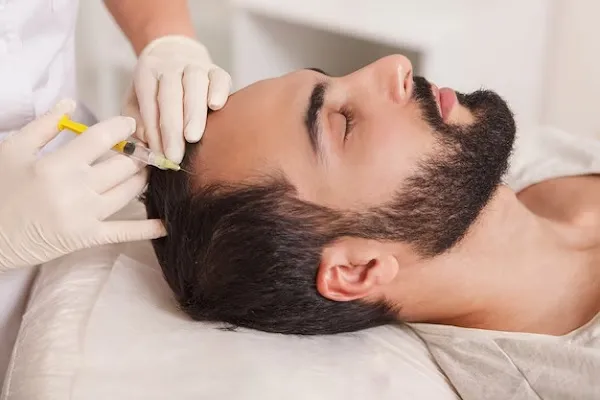
With advancements in technology, hair transplants have become more sophisticated, yielding natural-looking results with minimal downtime. However, with multiple methods available, choosing the right procedure can be overwhelming. In this guide, we’ll explore the different types of hair transplants for men, how they work, and what to consider before undergoing the procedure.
What is a hair transplant for men?
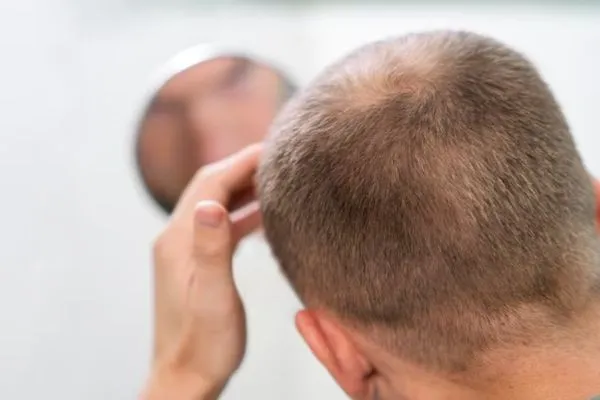
A hair transplant for men is a surgical procedure that aims to restore hair growth in areas of the scalp that have experienced thinning or balding. It involves the relocation of hair follicles from one part of the scalp, known as the donor area, to the areas experiencing hair loss, called the recipient area.
The main purpose of a hair transplant for men is to provide a long-lasting solution for male pattern baldness, which is the most common type of hair loss affecting men. This genetic condition causes the gradual thinning and recession of hair, often starting at the temples and the crown of the head.
By transplanting healthy, active hair follicles from the back and sides of the scalp to the balding or thinning areas, a hair transplant can restore the appearance of a full head of hair. The transplanted hair follicles continue to grow and thrive in their new location, providing a natural-looking and permanent solution to the patient’s hair loss concerns.
Hair transplants have become an increasingly popular option for men who want to regain their confidence and youthful appearance. With advancements in surgical techniques, such as Follicular Unit Extraction (FUE) and Follicular Unit Transplantation (FUT), the results of a hair transplant can be highly natural and undetectable, allowing men to style their hair as they please without any visible signs of the procedure.
What are the types of hair transplant for men?
Hair transplants generally fall into two main categories: follicular unit transplantation (FUT) and follicular unit extraction (FUE). Both techniques involve extracting healthy hair follicles from donor areas and implanting them in bald or thinning areas. However, they differ in how follicles are harvested and implanted.
Follicular Unit Transplantation (FUT)
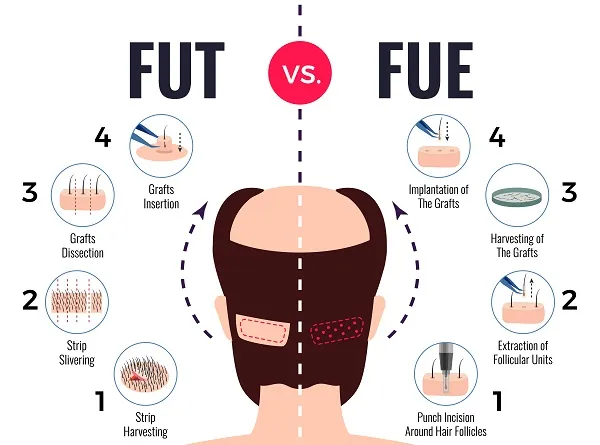
FUT, often called the strip method, is one of the oldest and most established hair transplant techniques. It involves removing a strip of scalp from the back or sides of the head, where hair is genetically resistant to balding. This strip is then dissected into individual follicular units, which are transplanted into thinning or bald areas.
One of the main advantages of FUT is its ability to transplant a large number of grafts in a single session, making it ideal for those with extensive hair loss. Additionally, because the donor strip is taken from a dense area, the survival rate of hair follicles is high. However, FUT does leave a linear scar at the donor site, which may be visible if the hair is cut very short. Recovery can also take longer due to the sutures required to close the wound.
Follicular Unit Extraction (FUE)
FUE is a modern and minimally invasive hair transplant method. Instead of removing a strip of scalp, the surgeon extracts individual hair follicles using a small punch tool. Then, they implant each follicle into the recipient area one by one.
Unlike FUT, FUE does not leave a large scar. This makes it ideal for men who prefer short hair. Additionally, the procedure is less invasive, leading to faster recovery and less post-operative discomfort. However, FUE takes more time to perform and may not suit patients needing a high number of grafts in one session. Since the follicles are extracted individually, their survival rate depends on proper handling.
What techniques are used in a hair transplant for men?
Beyond FUT and FUE, several advanced techniques have emerged, offering enhanced precision and better results. These methods integrate robotic technology and other innovations to improve efficiency and patient satisfaction.
Robotic-assisted hair restoration
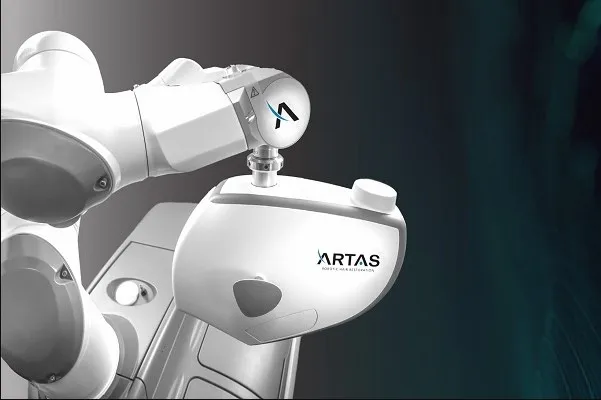
Robotic systems, like the ARTAS system, can perform the FUE technique with greater precision. These advanced systems use sophisticated imaging and automation to harvest follicular units, which can reduce human error and improve graft quality.
The robot’s steady hand and consistent extraction technique allow for the retrieval of more viable follicles compared to manual FUE. This can lead to a higher survival rate of the transplanted hair and ultimately, more natural-looking results for the patient.
DHI (Direct Hair Implantation)
DHI is a variation of the FUE method where follicles are implanted directly into the scalp without the need for recipient sites to be made beforehand. In this technique, the surgeon uses a specialized implanter pen to deposit the harvested follicular units directly into the target areas.
This allows for more precise placement and can lead to denser results, as the hair is transplanted without any additional trauma to the recipient zone. The seamless integration of the new hair into the existing hairline is a key benefit of the DHI approach.
Multi-gradient follicular units
This advanced hair transplant technique harvests grafts from different areas of the scalp and, if needed, from body hair. By doing so, it mimics natural hair growth patterns for a more realistic outcome.
Surgeons use follicular units with varying characteristics, such as thickness, curl, and colour. This ensures a seamless blend between transplanted and existing hair. As a result, patients avoid the “pluggy” or unnatural look often seen with older transplant methods.
SMP (Scalp Micropigmentation)
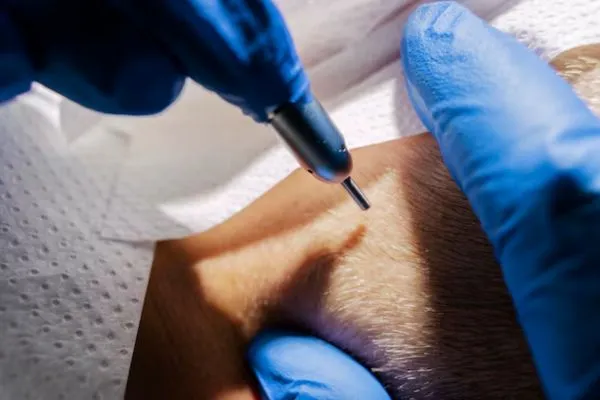
SMP is a non-surgical procedure that applies tiny, high-density pigment dots to the scalp. These dots simulate the appearance of hair follicles. SMP is commonly used to fill in areas with low hair density or create a fuller, more youthful hairline.
The pigment is carefully matched to the patient’s natural hair colour, and the distribution mimics the natural growth pattern. Although SMP doesn’t restore hair, it effectively camouflages thinning or balding areas, making it a great solution for men seeking a fuller look.
Graft Preservation Techniques
Keeping harvested follicular units viable is essential for a successful hair transplant. Advanced preservation methods maintain graft health and functionality for longer periods, such as specialized cold storage systems.
This added flexibility allows surgeons to work carefully during implantation. As a result, they can place each graft precisely for optimal results. Improved preservation techniques have significantly increased success rates and enhanced the natural appearance of modern hair transplants.
Custom Grafting Techniques
Leading hair restoration clinics design tailored strategies based on each patient’s unique hair characteristics, such as thickness, curl, and colour. Surgeons carefully analyze the patient’s existing hair and aesthetic goals before creating a customized transplant plan.
To achieve natural-looking results, they selectively harvest and implant grafts with specific attributes. This precise approach ensures that transplanted hair blends seamlessly with natural hair. As a result, patients enjoy a more harmonious and transformative outcome.
PRP (Platelet-Rich Plasma) Therapy
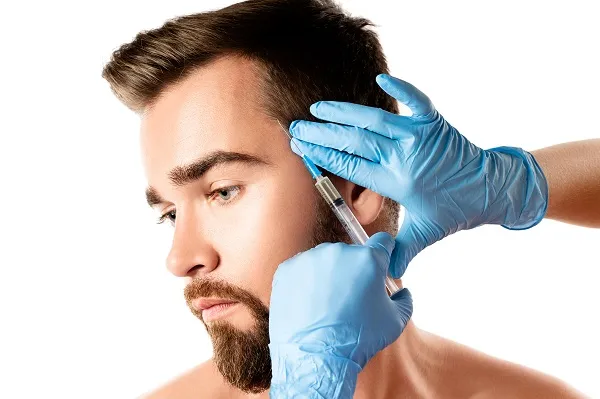
Surgeons often use PRP alongside hair transplants to promote healing and enhance hair growth. This treatment begins with drawing the patient’s blood and processing it to concentrate the platelets. Then, they inject the PRP directly into the scalp.
The high concentration of growth factors stimulates transplanted follicles, improving their survival rate. As a result, patients may experience fuller and more robust hair growth. By combining PRP with a hair transplant, surgeons optimize results and increase the chances of long-lasting success.
3D simulation software
Advancements in imaging technology have introduced 3D simulation software for hair transplants. This software enables surgeons to create detailed visualizations of expected results before the procedure.
These advanced simulations help patients understand potential outcomes more clearly. They also assist surgeons in planning the most effective transplant strategy. By viewing a digital representation of their anticipated results, patients make more informed decisions. As a result, they develop realistic expectations for their hair restoration journey.
Faq’s
How long does a hair transplant for men last?
A hair transplant is a permanent solution for hair loss. Since the transplanted hair is taken from areas resistant to balding, it continues to grow naturally for a lifetime. However, maintaining a healthy scalp and following post-operative care instructions are essential to preserving results.
Are hair transplants for men painful?
Most hair transplant for men procedures are performed under local anaesthesia, meaning there is minimal pain during the surgery. Some discomfort or soreness may occur in the days following the procedure, but this can be managed with prescribed pain relievers.
How soon will I see results after a hair transplant?
Hair growth after a transplant takes time. Initially, the transplanted hair may shed within the first few weeks, which is a normal part of the process. New growth typically starts within three to four months, with full results visible after 12 to 18 months.
Conclusion
Hair transplants for men have evolved into a reliable and effective solution for those dealing with hair loss, providing long-lasting, natural-looking results. With various techniques available, from traditional methods like FUT to innovative approaches such as robotic-assisted FUE and DHI, men now have more options than ever to restore their hair. It’s essential to carefully consider each method’s advantages and potential drawbacks before making a decision. Regardless of the chosen technique, advancements in technology and tailored treatments ensure that individuals can achieve a fuller head of hair, boosting both confidence and appearance.
At Capilclinic, we’re trusted by thousands of patients in the UK and Europe as a leading Hair Transplant Clinic in Turkey and Spain, known for our expert doctors, advanced facilities, natural hairline results, and affordable all-inclusive packages. Reach out to our team today to start your transformation.