



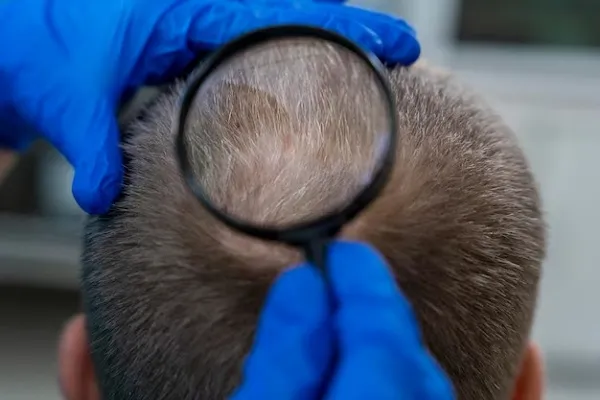
Hair transplant FAQs are essential for anyone considering this type of surgery, as it’s natural to have many concerns beforehand. It is common to wonder what the operation will entail, including the preoperative and postoperative phases, along with the recovery timeline. Many people thinking about undergoing a hair transplant want to regain hair in areas where it has stopped growing. One of the most frequent concerns is how much is a hair transplant in Turkey, due to its popularity and affordability. This question arises alongside others related to risks, results, and maintenance after the procedure.
That’s why we’ve created this detailed post, answering the most frequently asked questions we receive from individuals considering a hair graft. We’ll walk you through aspects such as the hair transplant cost, preparation, surgical method, and what to expect in the months following the operation. The goal is to address doubts and make sure you’re fully informed before moving forward.
We’ll also touch upon key points such as how does a hair transplant work, the factors influencing pricing, and common outcomes you can expect. Additionally, we’ll provide information that helps you identify the best hair transplant London clinics, giving you local alternatives if you’re based in the UK. With this guide, you’ll be better equipped to make a confident decision.
If you’re researching options, these hair transplant FAQs will help clarify your understanding and address major concerns. Now is the perfect time to learn what the process involves and what to expect afterwards. For many, choosing this route can restore confidence and satisfaction with their appearance.
1- At what age should someone consider getting a hair graft?
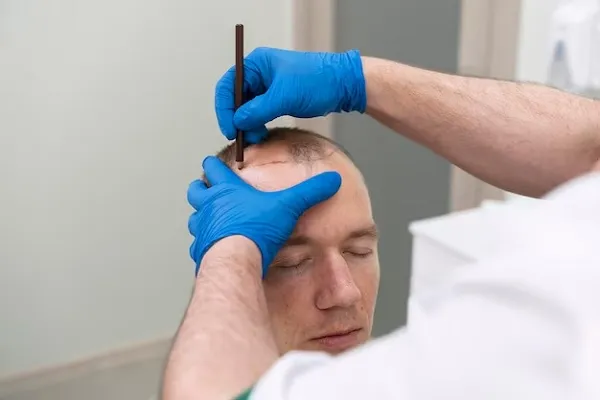
Anyone over the age of 18 is technically eligible for a hair transplant. However, professionals in the field generally advise waiting until after the age of thirty. At this stage, the pattern of hair loss is more stable, making it easier to assess the long-term situation and offer a tailored and permanent solution. Carrying out the procedure too early may result in unsatisfactory results if hair loss continues to progress unpredictably.
Waiting until the hairline has matured also allows surgeons to plan strategically. This ensures that the grafts are distributed effectively to maintain a natural appearance over time. Moreover, individuals in their thirties often have more realistic expectations and a greater understanding of the procedure’s potential and limitations. In the UK and across Europe, clinics evaluate candidates on a case-by-case basis to ensure long-term success. Hair transplant FAQs often stress the importance of timing, and this factor can heavily influence both satisfaction and cost-effectiveness in the long run.
2- How much does a hair transplant cost?
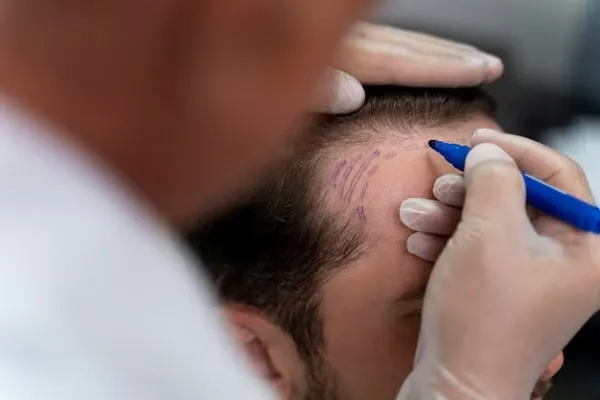
Hair transplant FAQs often begin with the most pressing concern: the price. The hair transplant cost can vary considerably depending on various factors. One of the most important elements is the patient’s condition, as it is not the same to graft hair onto a small bald patch as it is to cover an entire scalp. The greater the area requiring treatment, the higher the cost. The technique selected also plays a significant role. More advanced methods, such as the FUE (Follicular Unit Extraction) technique, tend to be pricier due to their precision and natural-looking, permanent results. Less refined techniques may reduce the upfront cost but might not guarantee long-term satisfaction.
Another decisive factor is the country where the surgery takes place. For instance, Turkey has become a global hub for hair transplant, offering quality treatments at affordable prices. This is largely due to government support, significant private healthcare investment, and a high volume of international patients, which allows clinics to offer competitive rates without compromising quality. Spain, on the other hand, offers top-notch clinics with high standards but at slightly higher prices due to different healthcare structures and operational costs.
For those seeking precise figures, here is a general breakdown. A full hair transplant using the advanced FUE technique typically costs between €4,500 and €5,000 in Spain’s leading clinics. In contrast, the same procedure in Istanbul—renowned for its excellence in hair restoration—can start from just €2,000, making it a compelling option for many European patients. It’s essential, however, to factor in travel, accommodation, and follow-up appointments when calculating the total expense.
3- How to calculate the extent of hair transplant?
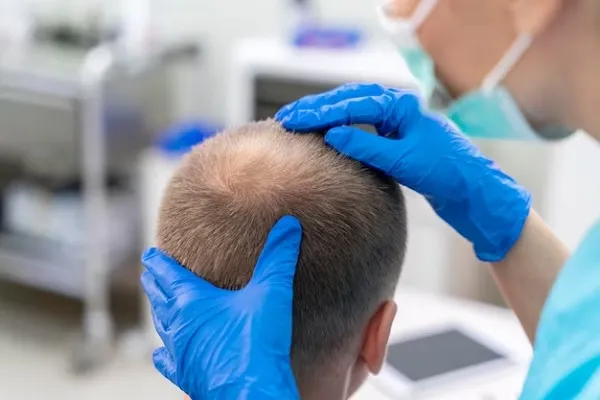
Hair transplant FAQs often begin with a crucial topic: estimating how extensive a hair transplant should be. Since amounts are frequently misunderstood without context, it’s essential to clarify that a healthy person in their twenties possesses approximately four million hair follicles. This represents abundant coverage over the entire scalp. However, this number gradually diminishes from the thirties onward, stabilising in adulthood at an average of 150,000 hairs. That equates to roughly 250 hairs per square centimetre or about 120 follicular units.
It’s essential to distinguish between hairs and follicular units. Each follicular unit typically contains one to three follicles, averaging 2.2 hairs per unit, meaning a person with alopecia may require between 10,000 and 12,500 follicular units for restoration. These values are averages because the number of hairs per follicular unit varies depending on hair colour and ethnic background. For instance, individuals with lighter hair shades tend to have higher density, averaging around 150,000 hairs.
Those with brown or brunette hair average approximately 115,000 hairs, while redheads often have lower densities of about 90,000 hairs. Racial differences also influence follicular density. Asians tend to have just over one hair per follicular unit, whereas Africans average two hairs per unit. In contrast, light-haired Caucasians can have three to four hairs per follicular unit.
4- How many follicular units are needed in a hair transplant?
The answer is variable and depends on several patient-specific factors. These include the person’s age, gender, race, the size of the affected area, and hair characteristics such as texture, colour, and thickness. It also depends on the donor area’s density, the number of hairs per unit, and the technique chosen for the procedure. The goal is to create a natural look while maximising coverage.
It’s also important to highlight the Sapphire FUE technique. This cutting-edge method allows the transplantation of over 5,000 follicular units in a single session. Thanks to this innovation, even patients with advanced baldness can achieve significant coverage. Hair transplant FAQs often recommend consulting a specialist to assess whether this technique is ideal for your specific needs and expectations.
5- How is a hair graft made?
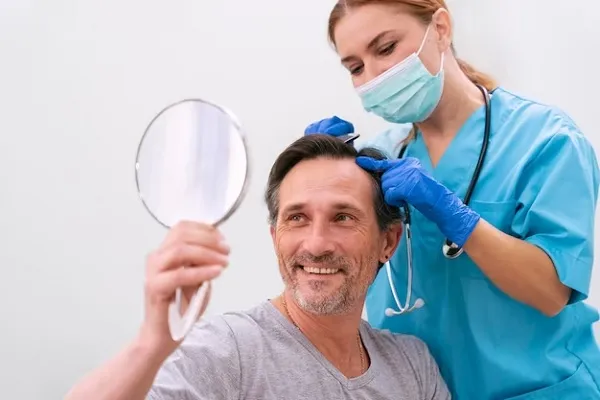
Hair transplant FAQs are essential for anyone considering a hair transplant, as they help clarify doubts and understand each step of the process. One of the most frequent questions patients ask is: How is a hair transplant made? The answer depends mainly on the technique chosen by the specialist, since modern hair transplant centres typically work with two main procedures: FUSS and FUE.
FUSS
In the FUSS method, the surgeon removes a strip of skin from the donor area, which is usually located at the lower back part of the scalp. This strip contains the follicular units that will later be transplanted into the bald or thinning areas. Local anaesthesia is administered before extraction.
Once the strip is removed, the follicles are separated under a microscope and carefully implanted in the recipient area, ensuring proper orientation and density. This technique, while effective, tends to leave a linear scar and often requires a longer recovery time.
FUE
The FUE technique, on the other hand, is currently the most advanced and widely used method worldwide. It involves the individual extraction of follicular units using precise microsurgical tools. After applying local anaesthesia, the follicles are harvested one by one from the donor area and then implanted, again individually, into the areas affected by hair loss. This approach offers a less invasive process, minimal scarring, and a much faster recovery. Furthermore, it enables greater detail when designing the hairline or filling smaller gaps.
Thanks to the high precision of the FUE technique, results appear more natural and tailored to each patient’s specific needs. This method also allows for flexibility in choosing donor areas, which can sometimes include the beard or body. If you’re wondering how does a hair transplant work, it’s essential to understand these technical differences to choose the right approach.
6- How to sleep after a hair graft?
Hair transplant FAQs often begin with one of the most pressing concerns patients face: how to sleep after the procedure. The first night following a hair graft operation is undoubtedly the most complicated. Especially considering that after an intensive day in the operating room, the patient must remain in a specific position throughout the night. It is essential to sleep on one’s back, using a special pillow and a medical bed that elevates the head. This sleeping arrangement must avoid any contact with either the donor area or the recipient area, which are both highly sensitive.
The use of a special pillow is crucial to protect newly implanted follicles from pressure or accidental displacement. Furthermore, this position facilitates the effectiveness of the anaesthesia, helping to manage pain during what is typically the most uncomfortable part of the recovery. Doctors frequently advise patients that if they manage the first night successfully, the following nights become progressively easier. However, this does not mean care should be reduced—caution is required during the initial post-operative phase to ensure successful healing and hair growth.
7- How to wash hair after a hair transplant?
Learning how to properly wash your hair after surgery is key to protecting the implanted follicles. If you choose Capilclinic to perform your hair transplant, the medical team will conduct the first hair wash themselves. This ensures that the sensitive grafts are handled professionally. Additionally, they will provide you with personalised instructions. You will receive clear guidance on how often to wash your hair, which products to use, and the safest techniques to apply.
8- What is the first thing to do after a hair transplant?
The first thing to do after a hair transplant is to keep the scalp clean without disturbing the newly implanted grafts. Begin by gently moistening your scalp with cool or lukewarm water. It’s important to avoid extremes—water that is too cold or too hot can irritate the scalp and compromise healing.
The water pressure must be extremely low to prevent dislodging delicate follicles. Using a jug or a plastic bottle instead of applying water directly from the tap allows better control. This manual method is especially recommended during the initial three to five days. It protects the recipient area while maintaining necessary hygiene.
9- What type of shampoo should I use in the first washes?
For freshly transplanted patients, it is essential to choose a gentle, mild shampoo specially formulated for sensitive scalps. Many clinics provide a suitable shampoo to make your first washes easier and safer. The shampoo should be free from harsh chemicals, fragrances, and sulfates to avoid irritation.
To use it correctly, put a small amount of shampoo into the palms of your hands and rub them together until foam forms. Avoid applying shampoo directly to the transplanted hair or scalp, as this could damage the delicate follicles. Instead, once the foam is ready, gently apply it all over the head using light tapping motions. This method cleans the scalp effectively without causing harm.
10- How should I wash the receiving and donor areas after a hair transplant?
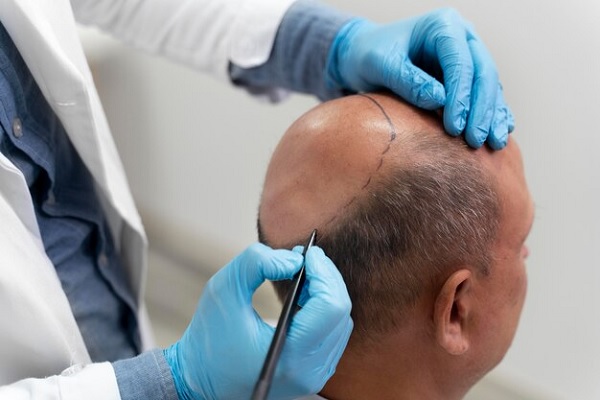
When washing the receiving area, apply shampoo gently by leaving small tips of soap on top, like softly placing foam rather than rubbing. Continue this carefully until you have covered the entire receiving zone. Since you may still feel some pain or tenderness, it is crucial not to squeeze, rub, or make direct contact with the grafts. For the donor area, a gentle massage is possible, but only if it feels comfortable and pain-free throughout the process.
To rinse off the shampoo, avoid applying any pressure with the water. Use warm or slightly cold water, but never hot water, to protect the scalp. Many specialists recommend using a jug or bottle for the first five washes to control water flow gently. When drying, do not rub the scalp or use towels. Instead, opt for high-quality absorbent cellulose paper to carefully remove excess moisture. This method leaves the scalp dry enough without irritating the sensitive areas.
11- How does hair grow after a hair transplant?
If the hair transplant has been successful, which usually happens when the grafts are completed by the most experienced clinics, the hair will begin to grow naturally from the very first hours after being repositioned. It is important to understand that hair growth after a transplant is a gradual and slow process. At first, you may notice some scabs forming on your scalp. Then, the transplanted hair follicles will start to shed, making way for new hair growth. By around the third month, you will begin to see these new hairs sprouting, although they may appear weak and thin at first.
It will not be until about the sixth month after the procedure that these fine and fragile hairs start to become stronger and denser. Hair growth continues to improve steadily, reaching a much more natural thickness and vigour. By the twelfth month, or one year after the intervention, you will be able to observe the final results clearly in the mirror. This new hair will accompany you for life if the transplant has been performed at a reputable centre like Capilclinic. Additionally, if you are curious about costs, many wonder how much is a hair transplant in Turkey, as it is a popular destination for hair restoration due to its affordability and quality.
12- How to remove scabs after a hair transplant?
A few days after the intervention, you will notice your scalp filling with scabs. These appear both in the receiving area, where they are smaller and darker, and in the donor areas, where they tend to be larger and reddish. Within about two days, the scabs in the receiving area will change colour to yellow. This colour change coincides with the fall of scabs in the donor area. Their presence is therefore only temporary, lasting just a few hours on the scalp following the procedure.
After a couple of days, these scabs will begin to fall off quickly, taking with them much of the transplanted hair. This shedding is normal and should not cause concern, as it forms part of the natural hair regeneration process. Once all the hair has fallen, the scalp will be in optimal condition, and you will start to see new hair follicles sprouting. This regrowth begins from the “seed” left behind by the first hairs extracted from the donor area. The progress is gradually supported by the medication prescribed to you. Following all the instructions from your medical team is crucial to ensure the best results, especially if you are seeking the best hair transplant London has to offer.
Conclusion
Hair transplant FAQs are essential for anyone considering a hair restoration procedure. They help clear up doubts, manage expectations, and provide crucial information on everything from graft counts to post-operative care. With so many myths and questions circulating online, having access to reliable, well-explained answers can make all the difference in your decision-making process.
Understanding the role of grafts is fundamental when planning a successful hair transplant. The number of grafts required varies from person to person, depending on factors such as the extent of hair loss, donor area density, and the desired final look. By learning what to expect, patients are better prepared and more confident in their journey.
It’s also vital to choose a trusted clinic that offers both expertise and transparency. Not all hair transplants are equal, and the experience of the surgeon, the technology used, and post-surgery support can significantly impact your results. Taking time to explore your options and speak with professionals ensures a smoother experience.
Hair transplant FAQs can guide you every step of the way. If you’re seriously considering a hair transplant and want expert advice tailored to your specific case, we invite you to visit capilclinic.uk. Our team of specialists is here to answer your questions and help you achieve natural, long-lasting results with confidence.
At Capilclinic, we’re trusted by thousands of patients in the UK and Europe as a leading Hair Transplant Clinic in Turkey and Spain, known for our expert doctors, advanced facilities, natural hairline results, and affordable all-inclusive packages. Reach out to our team today to start your transformation.